Autumn brings fresher horses, higher hormone levels and a greater risk of laminitis for insulin dysregulated horses.
Today marks the official end of summer and the start of autumn, as day and night balance out in equal length.
When the leaves on the trees are changing colour our horses are undergoing some changes of their own. Many of these changes are hormonal and are influenced by a combination of shorter days, cooler nights and fluctuating grazing quality.
In Autumn, levels of adrenocorticotropic hormone (ACTH) naturally increase to encourage longer coat growth and the storage of fat to prepare the horse for the cold winter ahead. In “normal” horses, the subsequent rise in circulating insulin is well tolerated, but in horses that are insulin dysregulated the increase may push them over the edge and make them more prone to laminitis.
Metabolically challenged horses and ponies may be at even greater risk of laminitis in the Autumn than they are the spring when you combine this rise in insulin with summer weight gain and late grass flushes after a drought.
Appetite is also affected by these changes in circulating ACTH and insulin; you may notice your horse spends more time with their head down eating, than they do playing or grooming their companions in the field. They may also seem hungrier or “hangrier” so make use of high fibre, low sugar chops, mashes and forage Brix or, start providing supplementary forage in the field if grazing is sparse after the hot, dry summer.
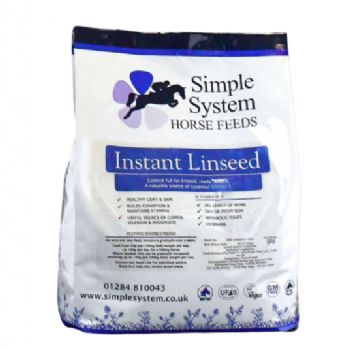
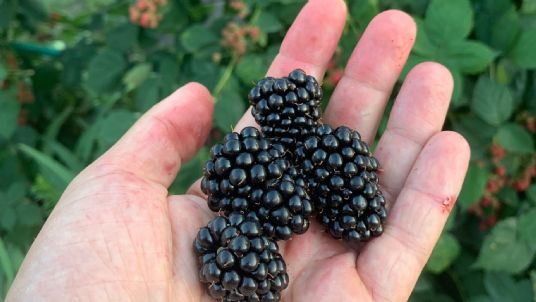
Hormones also drive seasonal coat change with many horses now well into their 'Blackberry Coats'. Coat change often causes itchiness but is also energetically demanding and some horses will have less energy and seem a bit flat. Ensure a quality forage balancer is being fed at the recommended rate and consider adding additional Instant Linseed or, Eclipse Recovery to give them a little boost. Make use of target feeding for those heading to end of summer championships or, starting their winter qualifications.
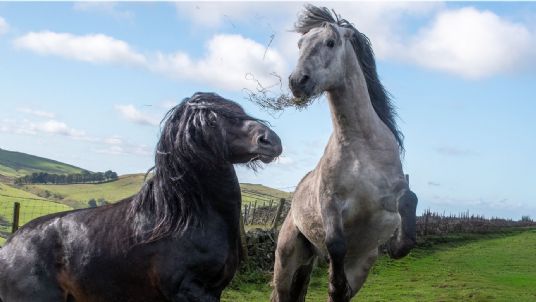
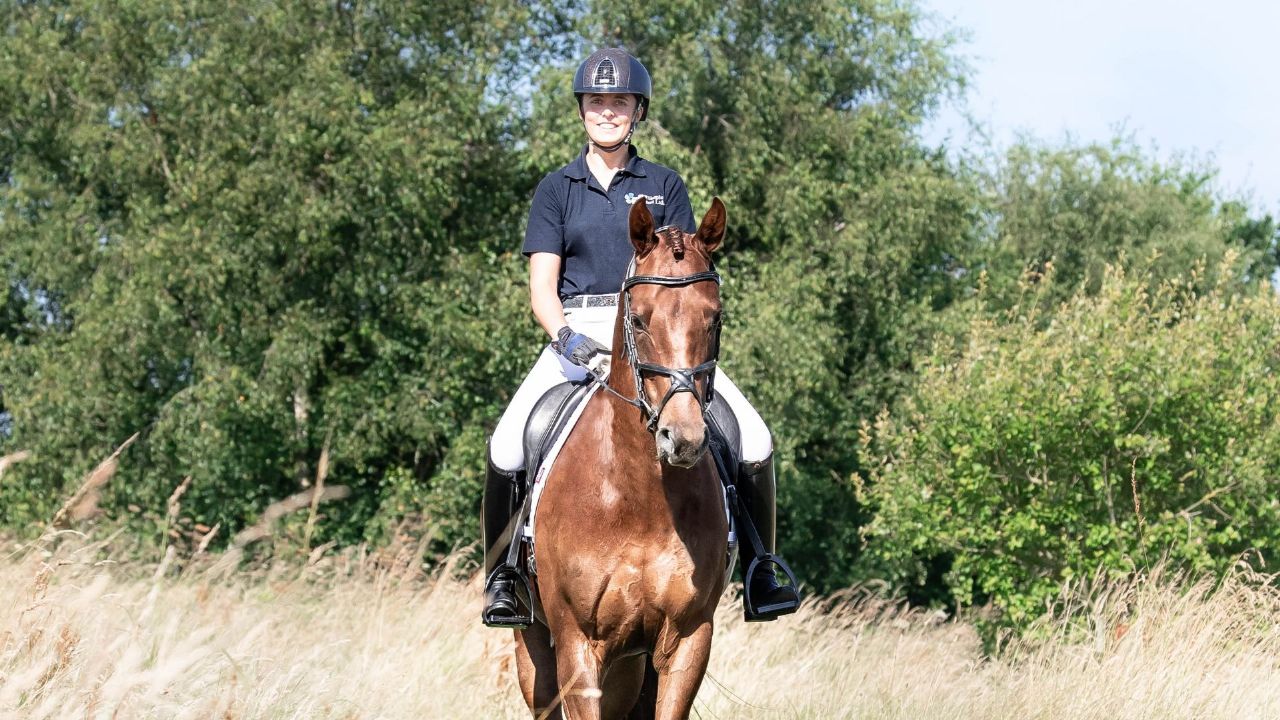
Some horses may feel 'fresher' as temperatures start to drop overnight whilst mares may experience stronger seasons before their cycling pauses for the winter. Stallions will also be more driven as the natural breeding season nears its end. Newly weaned foals leaving home for the first time may become a little shell-shocked and reserved or, unsettled and reactive as they adjust to new surroundings.
Changing routine can also be a source of stress so consider introducing management changes gradually.
For those that have spent a glorious summer outside, start slowly increasing their time spent stabled. Gradual introduction to stabling is important not only for mental adjustment but helps them cope digestively as the sudden decrease in movement and change to a diet higher in dry matter (more hay) increases the risk of colic.
For out kept horses that rely on supplementary forage in the winter months, introduce new hay slowly over the period of a few weeks to allow the hindgut microbes to adapt and ensure they continue to drink well alongside. For poor drinkers in cooler weather, offer well soaked feed, damped hay or soaked PuraBeet.
Whilst we can't stop nature from taking her course, we can offer dietary support for horses during times of change.
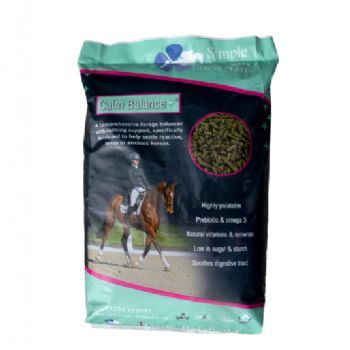
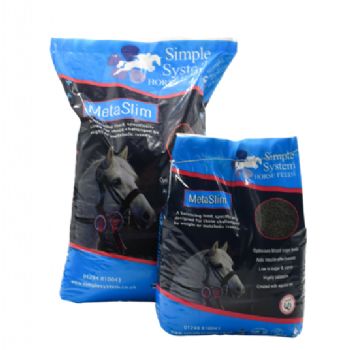
From MetaSlim for the laminitis prone, to Instant Linseed for coat change and Calm Balance + for those who are a little more tense or reactive, our Feed Line are available to discuss your horse's individual requirements. Contact us on 01728 604 008 or complete our advice request form to receive a free Feed Plan.