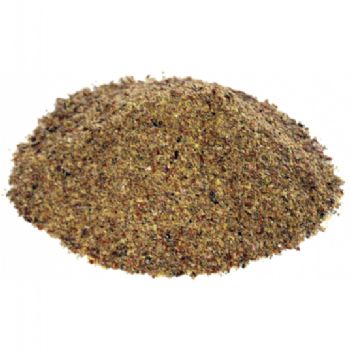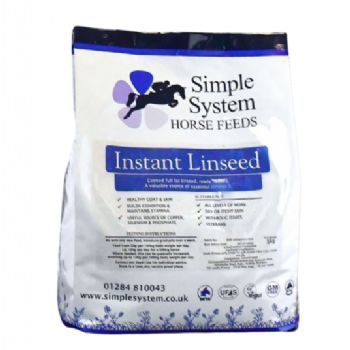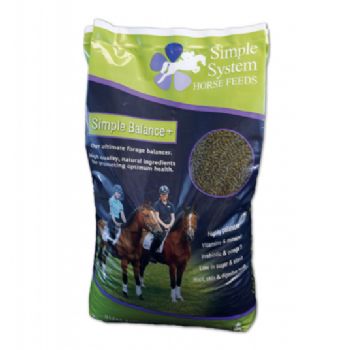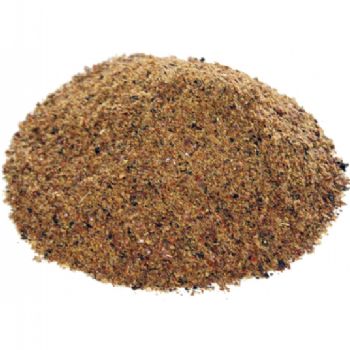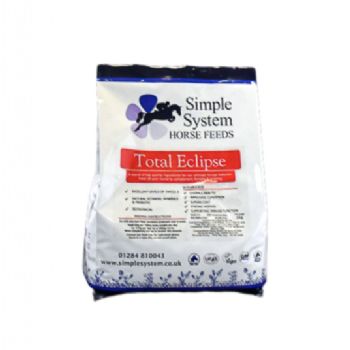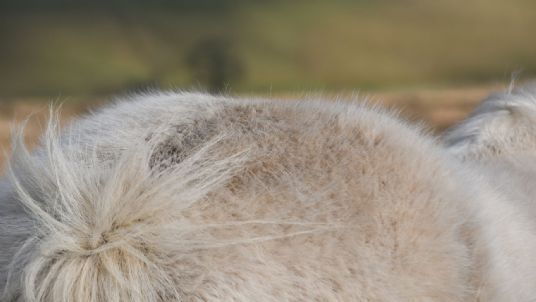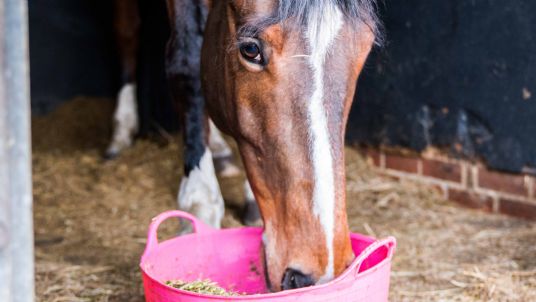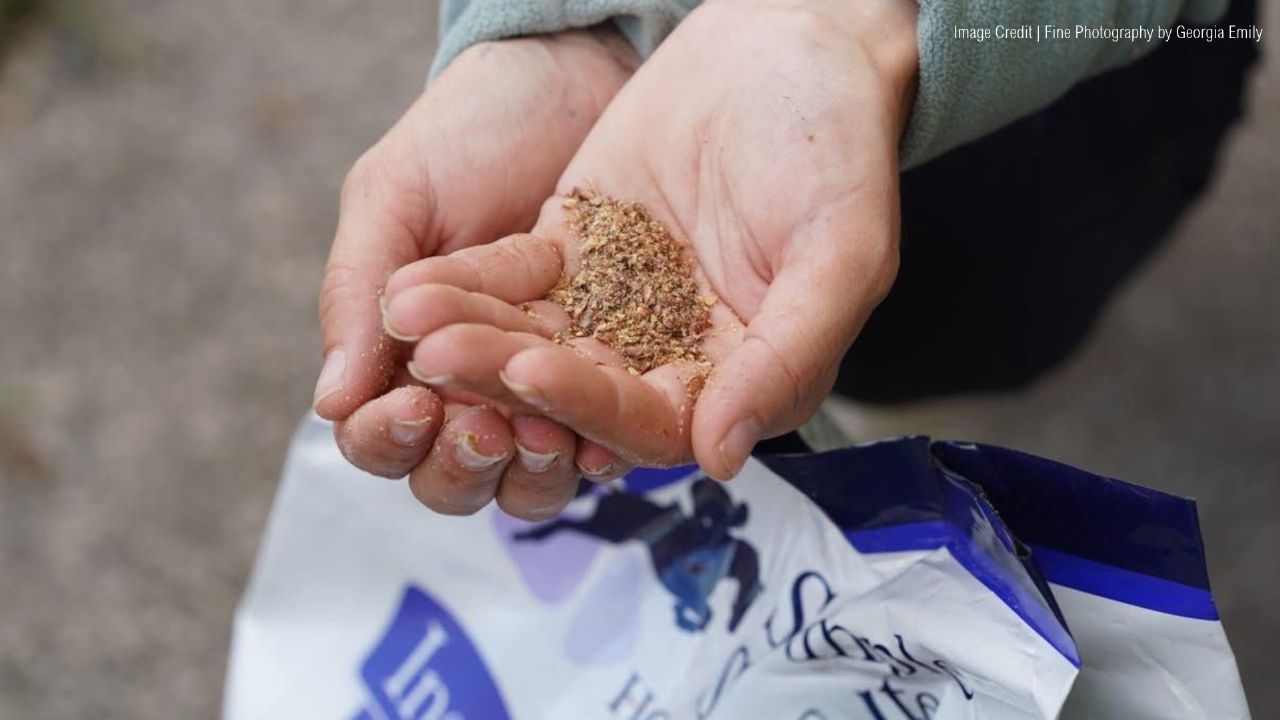
We've known for a long time that horses do very well on linseed. For over a hundred years, people slaved over hot stoves, boiling up linseed to provide an oil source for their horses after a hard day's work. But why choose linseed above other oil sources and how does it fit into the modern equine's diet?
Why do horses need oil?
Omega 3 and omega 6 are essential polyunsaturated fatty acids. Unlike volatile fatty acids made by the breakdown of fibre, horses cannot make these omega fatty acids in their bodies, so they must be provided in their diets.
Whilst they are essential, horses don't require very large quantities of these oils. Natural pasture has very little oil in it, around 2-3%.
Why is the omega 3:6 balance important for horses?
Omega 3 is anti-inflammatory, so it calms the immune response, whereas omega 6 is the opposite - it is pro-inflammatory, so it creates an immune response. Both are required, but in the correct balance.
Looking back to natural pasture, the oils contained are very much biased towards omega 3 - with four times as much omega 3 as omega 6. This 4:1 ratio is the ideal balance that horses have evolved to thrive upon over millions of years.
Why feed linseed to horses if grazing has the ideal balance?
When we look at the omega ratio in linseed, we find that it has exactly the same balance of omegas as that of natural pasture.
Some fish oils and microalgae also have this same omega 3:6 ratio, BUT our horses wouldn't naturally graze on fish or algae, so whilst this is a ''good'' source, it is not a species-appropriate choice.
If horses had access to consistently high quality pasture, 24/7, 365 days a year then we probably wouldn't need to supplement the diet with an alternative oil source. However, the vast majority of horses kept in the UK have limited access to such pasture, with some of their daily forage intake requirements being met with hay or haylage. The process of hay making causes a significant drop in omega 3 and so it needs to be replaced elsewhere in the diet - which is where linseed in the feed bowl comes in.
Horses fed cereal-based bucket feeds would require even greater omega 3 supplementation as grains are imbalanced, containing more omega 6.
What about other oil sources for horses?
Our table below compares commonly encountered oil sources that are used for horses. For further information, or to discuss the most suitable way of adding oil to your horse's diet, contact the Simple System Feed Line on 01728 604 008 or request a Feed Plan here.
| Oil Type | Predominant Omega Fatty Acids | Approx. Omega 3:6 Ratio | Key Characteristics |
| Linseed (also known as Flaxseed) | ALA (omega 3) | 4:1 | Highly palatable and widely considered the most beneficial plant-based oil for horses. |
| Fish | EPA & DHA (omega 3) | 4:1 to 6:1 | Agood source of omega 3, but less commonly fed to horses due to poor palatability. Not suitable as part of a species-appropriate vegan diet. |
| Coconut | N/A | 0:0 | Mostly saturated fat and cotains almost zero omega 3 and omega 6. Whilst it can promote weight gain and coat shine, it does not supply the essential fatty acids that horses require. |
| Canola | ALA (omega 3) / Linoleic Acid (omega 6) | 1:2 | A common, inexpensive vegetable oil with an 'acceptable' fatty acid balance. Not as rich in omega 3 as linseed or fish oils. |
| Soya | Linoleic Acid (omega 6) | 1:7 | Palatable for horses and often used for weight gain. High in omega 6 which can promote inflammation when fed in large amounts alongside grains. |
| Corn | Linoleic Acid (omega 6) | 1:50 | Very high in omega 6. Often used to add calories, but needs to be balanced with supplementary omega 3 to avoid an inflammatory imbalance. |
| Sunflower | Linoleic Acid (omega 6) | 0:1 | Almost zero omega 3. Often found in supermarket vegetable oil bleds. Should largely be avoided or heavily offset by omega 3 rich feeds / oils. |