Many of us will have heard the term “hay belly” at some point in our equestrian lives, but what does this mean, what causes it and most importantly, what can we do about it?
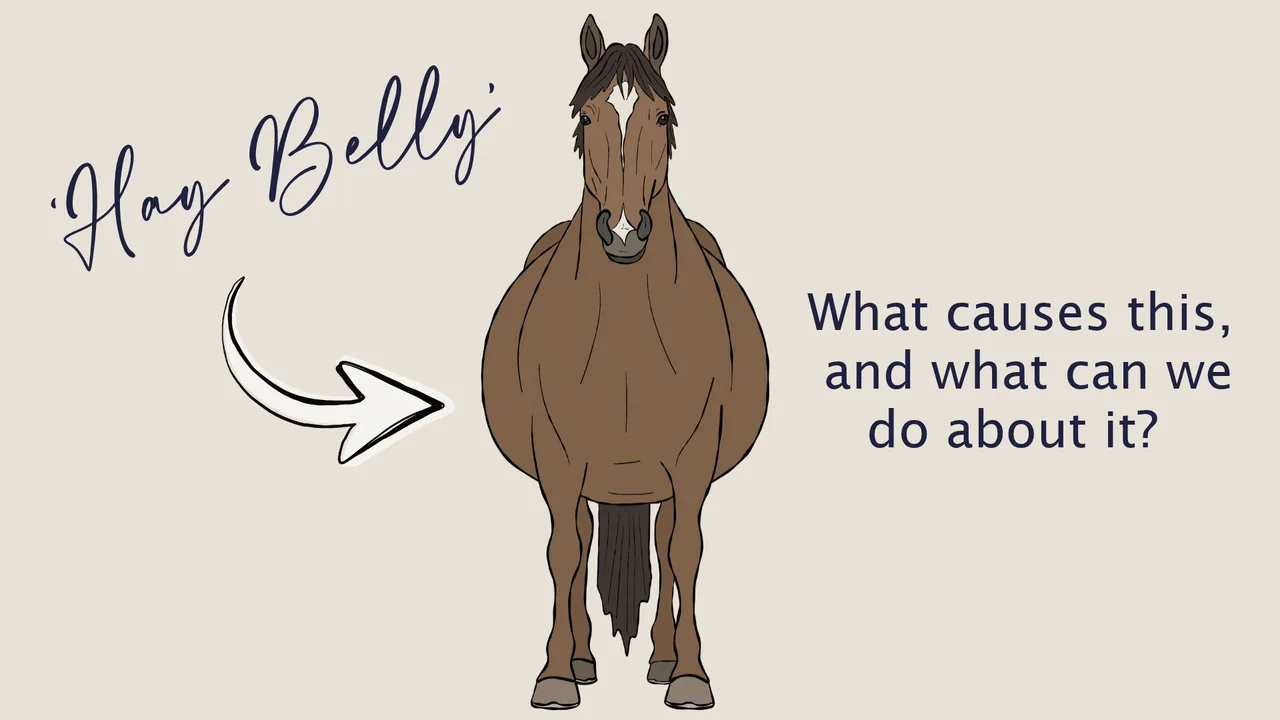
Describing a horse as having a "hay belly" often refers to a horse that looks bloated or pot-bellied; they may even look a bit like an in-foal broodmare! Their overall weight or body condition score may be fine, underweight, or overweight, but the primary feature is a distended, bloated abdomen.
This usually occurs when the diet is providing insufficient nutrition levels, particularly protein, but also potentially quality fibre.
It was very likely given the name “hay belly” as it was typically seen in horses that were being fed poor-quality hay or roughage. Typically this would have been stemmy and fibrous with a high lignin content and poor protein levels - essentially it was hay that had become more like straw.
These low nutrition levels may also occur simply when grazing is restricted or depleted, when forage intake is insufficient, or when hay is soaked. Soaking hay, particularly for long periods, can significantly reduce both protein and soluble fibre levels. Such a low-feed-value diet leads to disruption in the hindgut microbiome, as there is not enough fermentable material to support the microbes' own health. In turn, excess gas is produced. This can causes the characteristic bloated appearance - and often discomfort.
Just as horses need protein and quality fibre for their own health, so too do those hard-working gut bugs. Often, increasing overall fibre intake and protein quality can greatly help resolve this round, bloated shape. Protein is not only essential for building muscle - it is crucial for supporting the health of the horse’s hindgut. Forage protein (as opposed to that found in cereals) offers even better support. Whilst it is lower in digestibility than cereal protein, the undigested element is not wasted: it is wanted! This undigested forage protein goes towards nourishing the gut bugs that we know to be so important for overall health. Forages are also gentler on an already irritated digestive tract than feeding anything starchy or cereal-based.
You may wish to start tackling a "hay belly" by analysing your forage to see if protein, fibre, or both are the issue. Simple System offer this service with free advice and interpretation of the results. Alternatively, you may choose to improve the protein quality and fibre intake in the diet straight away through supplementary feeding.
For those horses who are overweight and bloated, Organic Lucie®Stalks and Lucie®Fibre Cubes offer an ideal balance of quality protein and low digestible energy.
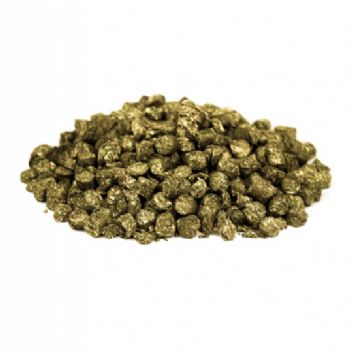
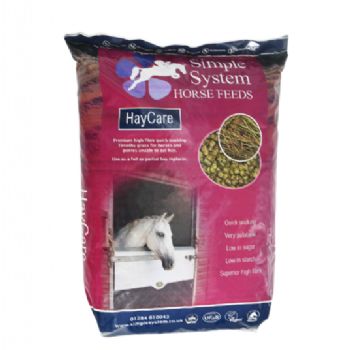
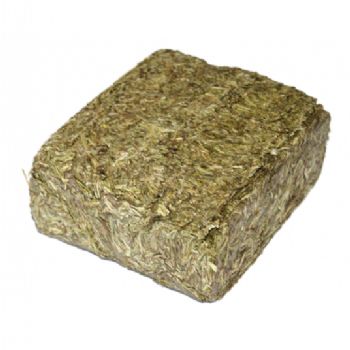
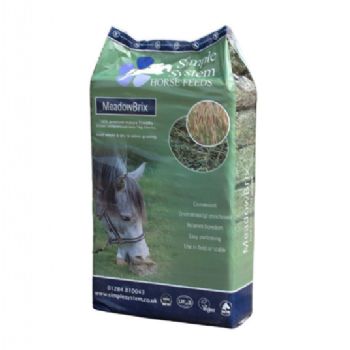
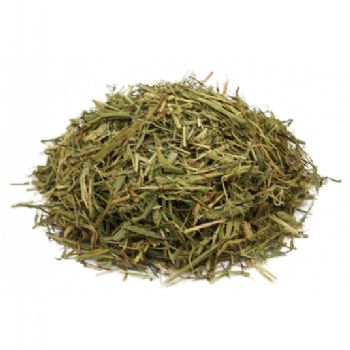
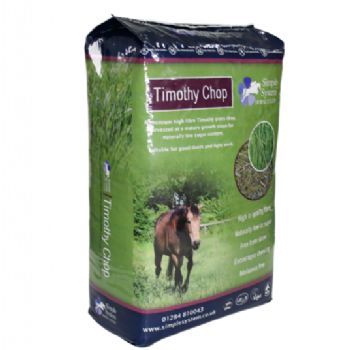
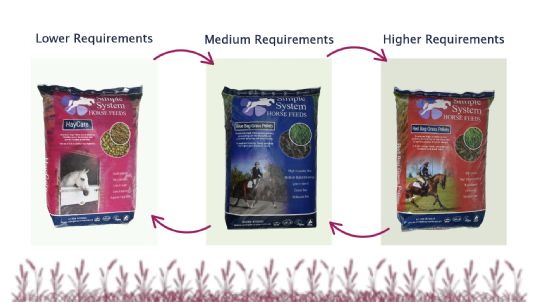
If your forage is low in protein or very tough and stemmy, and you cannot source an alternative, HayCare®, Timothy Chop or MeadowBrix can be used as partial, or even complete, hay replacements, supplying maintenance level protein and quality fibre.
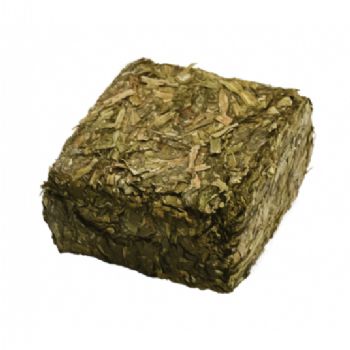
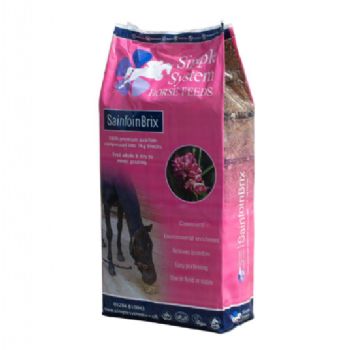
For those lacking in condition or where natural forage variety is limited, utilising SainfoinBrix as part of the forage ration can be highly beneficial as the condensed tannin content of this unique forage is thought to even better support the hindgut microbes.
For gassy horses, add a fistful of JustaMint to each feed. This fine-cut herbal spearmint is not just useful for enticing fussy feeders, but is also useful for supporting digestion - and even helping to reduce flatulence!
If you have concerns about forage quality, want advice about forage analysis, or feel your horse is suffering from “hay belly” please contact our Feed Line team, who can suggest some changes to best support them. The Feed Line can be reached by phone on 01728 604 008, or you can ask a question or request a free Feed Plan here.
Article by Ellen Lincoln, BSc. (Hons), MSc., BETA ENFAR Registered Equine Nutritionist, Nutrition Manager at Simple System Horse Feeds.