FB Pixel

General Health & Wellbeing

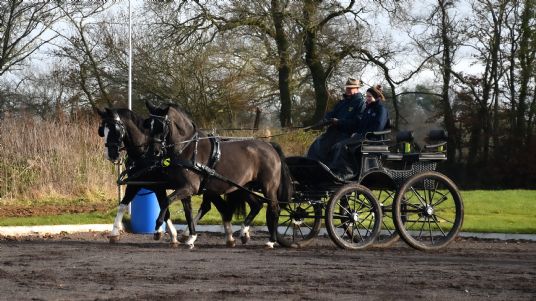
Headshaking in Horses

Headshaking in horses is a distressing condition, which is typified by a sudden head movement in a vertical plane rather than what we would normally consider a shake of the head, is due to pain in the trigeminal nerve of the face.
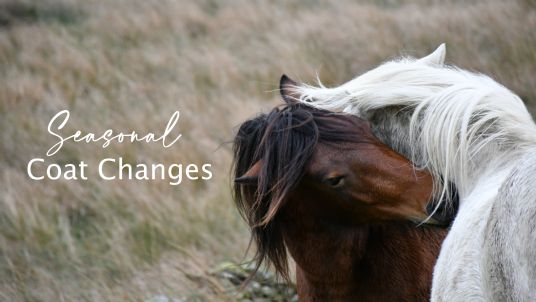
Helping horses through seasonal coat changes

There is an old saying that “no horse looks well at blackberry time” as the blackberries often appear when our horses are setting their winter coats

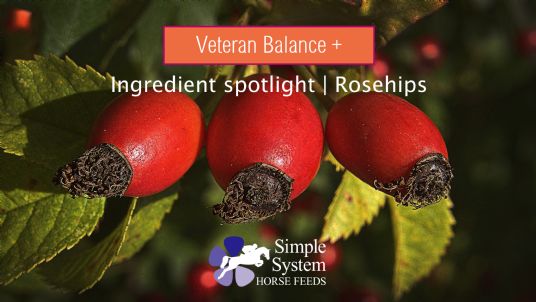
Rosehips for horses joints

Rosehips are naturally high in a wide range of antioxidants, and it is these antioxidants that are particularly beneficial when caring for our horse's joints and overall health.

Joint Care for Horses

Lameness can occur for all sorts of reasons but in older age it can often be joint related. Whether it be degenerative (osteoarthritis) or from an old injury (traumatic arthritis) - we need to do all we can to support and care for our horses joints throug

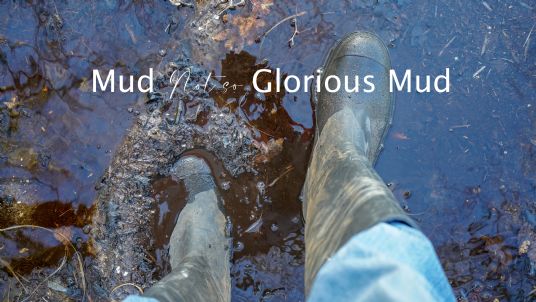
Mud, not so glorious, mud...

Horse ownership and mud - they seem to go together in the winter don't they?

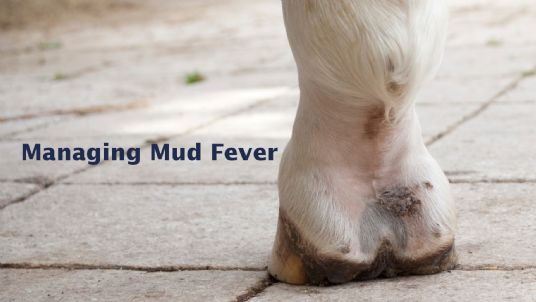
Mud Fever in Horses

Equine Pastern Dermatitis, more commonly referred to as mud fever or mud rash, is a non-contagious skin condition affecting the lower limbs of horses, particularly those with white legs/pink skin or thin-skinned breeds such as Thoroughbreds.

Mallenders & Sallenders

Mallenders and Sallenders is an unfortunate and incurable skin condition affecting the skin at the backs of the knees and the front of the hocks causing scaling, crusting and scabbing.

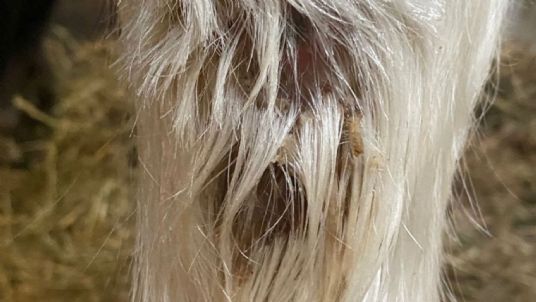
Feeding the itchy horse

Itchiness can be caused by a variety of factors; some within our control such as those affected by diet or management and some beyond our control i.e. environmental factors such as the weather or pollens.

My horse has liver damage. How should I feed them?

The liver is the power house of the body carrying out a lot of essential roles in metabolism, detoxification and energy production. Reducing the amount of work a damaged liver has to do gives your horse the best chance of survival and recovery.

My horse is prone to tying up and I have been told to give them a high oil diet. What else can I do to support them?

When horses are prone to tying up, it is important to keep their metabolism off the anaerobic, glucose pathway as this results in the formation of lactic acid, too much of which will trigger a tying up episode.

Need help choosing the right feed?

Our friendly advisors are happy to help, from product questions to complete personalised feed plans. Speak to our Feed Line for feeding advice today.