Finding a Hay Replacer for Older Horses
The UK has an aging poplation of horses, wIth over one third of the UK horse population considered veteran. The average age of a horse in the UK is 14 years
The UK has an aging poplation of horses, wIth over one third of the UK horse population considered veteran. The average age of a horse in the UK is 14 years
What do horses eat? Well, we know they eat a lot! Ideally, they will eat for up to 16 hours a day, grazing on high fibre forage, walking slowly as they do so. This is fine if they have free range on the right sort of pasture but when it com
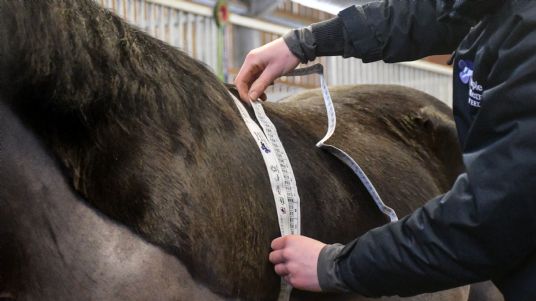
When the temperature decreases horses need more calories to keep warm so it is important to ensure our horses have enough food to sustain them.
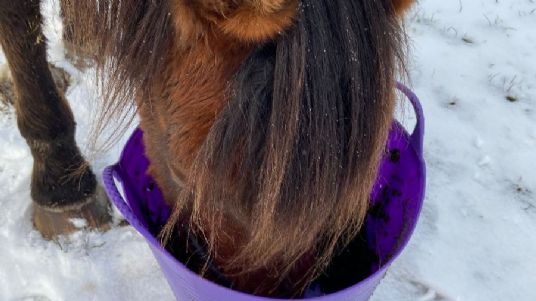
When the weather turns cold, horses are less inclined to drink and coupled with sudden changes in management, such as more time spent stabled or eating more hay, this can increase the risk of impaction colic.
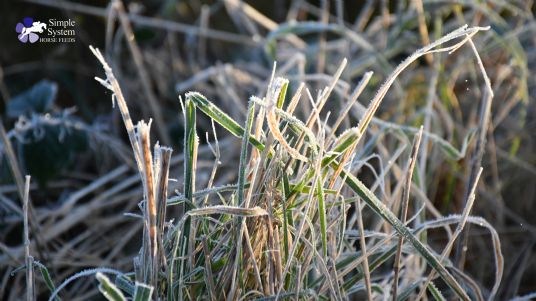
Many of us have seen hard frosts this morning and snow may even be on the cards for some parts of the country later this week. This has the potential to increase the risk of laminitis.
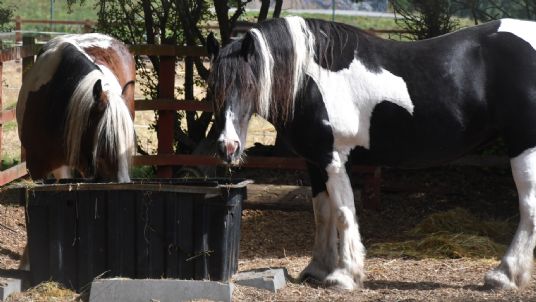
Itchiness can be caused by a variety of factors; some within our control such as those affected by diet or management and some beyond our control i.e. environmental factors such as the weather or pollens.
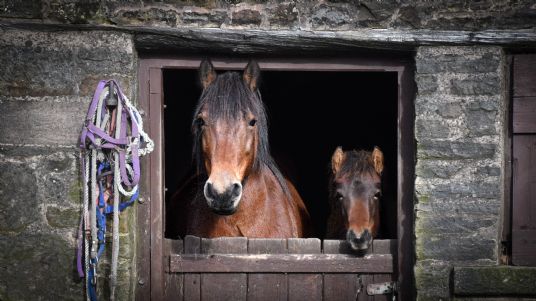
In winter it can be hard to strike a balance between horse ownership and day-to-day life; less daylight means many horses spend an increasing amount of time indoors and may also have less interaction with their owners who are dashing back home to thaw out
Winter can be a challenging time for our poor doers; grass quality declines offering much less nutritional value than in the warmer seasons and the cold weather makes use of energy stores for generating heat and staying warm.
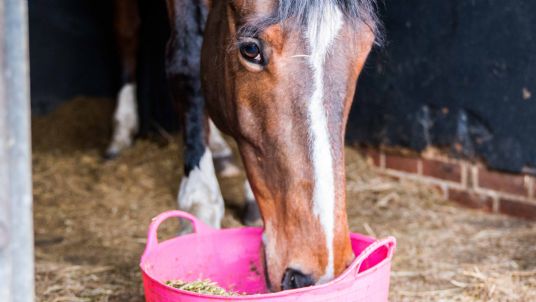
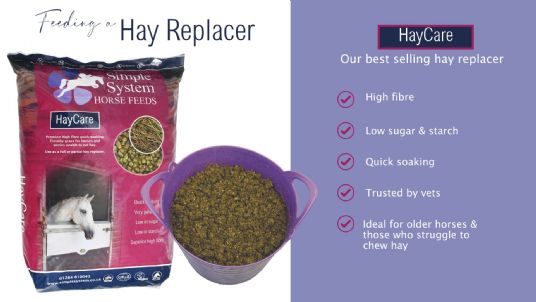
Start with 25g per 100kg of the horse's ideal weight, for example 125g for a 500kg horse. If needed you can increase up to three times this amount.
Autumn can be a tricky time for horses and ponies prone to laminitis. Horses and ponies that are overweight, older or have existing metabolic issues will be more at risk.
Our friendly advisors are happy to help, from product questions to complete personalised feed plans. Speak to our Feed Line for feeding advice today.