Mud, not so glorious, mud...
Horse ownership and mud - they seem to go together in the winter don't they?
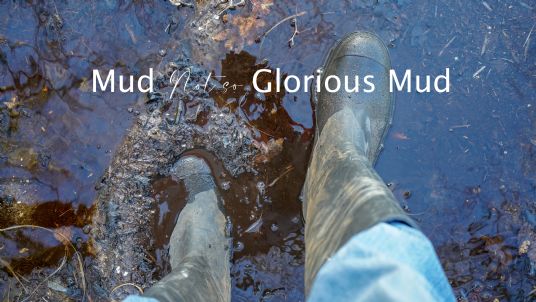
Horse ownership and mud - they seem to go together in the winter don't they?
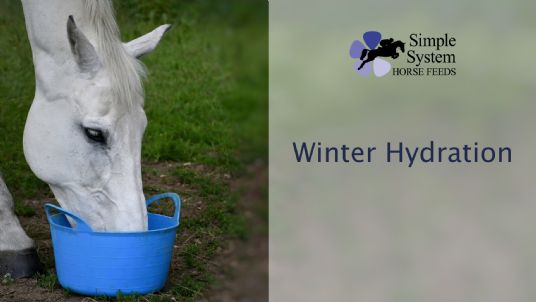
When the weather turns cold, horses are less inclined to drink. Coupled with sudden changes in management, such as more time spent stabled or eating more hay, this can increase the risk of impaction colic.
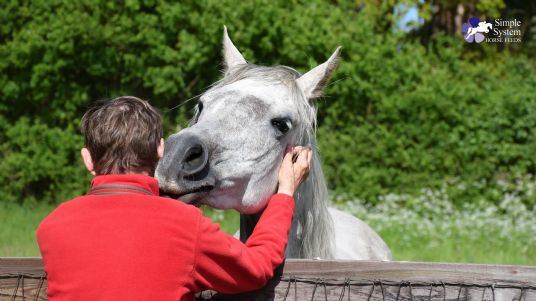
Congratulations if you have an in-foal mare! What can be more rewarding than breeding your own youngster?
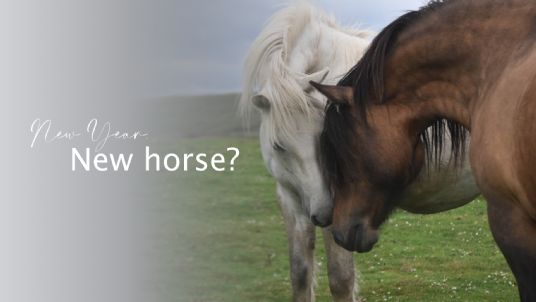
Welcoming a new horse, whether it be your first or your tenth, can be an equally exciting and worrying time.
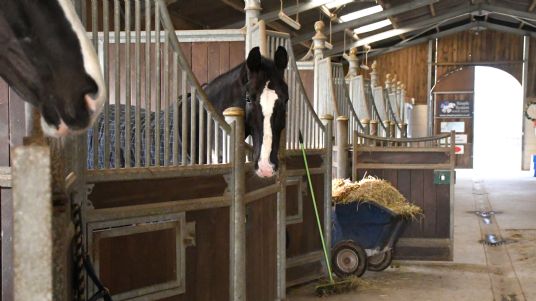
To help make being stabled less tiresome, environmental enrichment for horses involves small changes we can make to take the horse a little nearer to its origins as a free-roaming, herd-living, obligate herbivore.
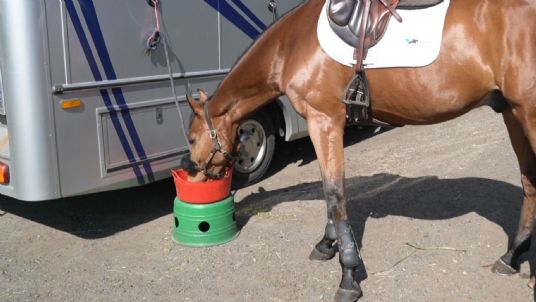
What do happy hackers, endurance horses and showjumpers all have in common? Well, other than them all being equines, the vast majority of them have a change of pace during the winter months.
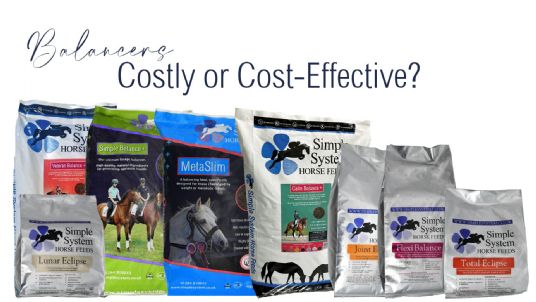
The festive season, being perhaps the most expensive time of the year, may have you asking yourself if everything you're adding into your feed bowl is really necessary? It's a sensible question to ask at the best of times and the answer can vary.
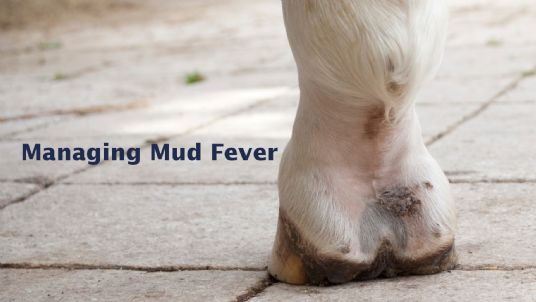
Equine Pastern Dermatitis, more commonly referred to as mud fever or mud rash, is a non-contagious skin condition affecting the lower limbs of horses, particularly those with white legs/pink skin or thin-skinned breeds such as Thoroughbreds.
Due to the high lignin content, straw is not very absorbent. Feeding straw to horses may lead to impaction colic and its coarse nature has been associated with an increased risk of gastric ulcers in horses.
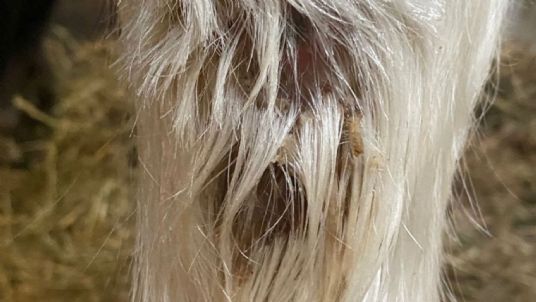
Mallenders and Sallenders is an unfortunate and incurable skin condition affecting the skin at the backs of the knees and the front of the hocks causing scaling, crusting and scabbing.
Our friendly advisors are happy to help, from product questions to complete personalised feed plans. Speak to our Feed Line for feeding advice today.