Feeding young horses
Young horses rarely follow the theoretical growth curves. They have growth spurts which can coincide with spring grass coming through, or coincide with nothing in particular!
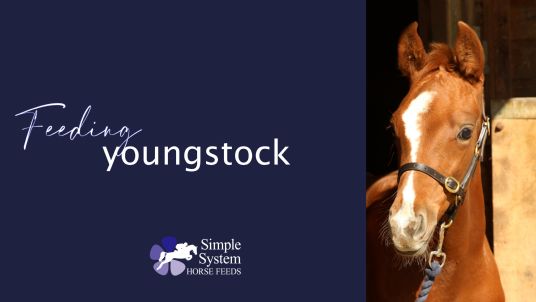
Young horses rarely follow the theoretical growth curves. They have growth spurts which can coincide with spring grass coming through, or coincide with nothing in particular!
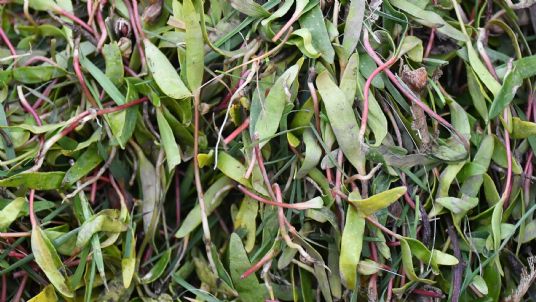
Ingestion of any part of the sycamore, even seemingly dead looking 'helicopters' or leaves, can cause atypical myopathy - a disease that is often fatal to horses.
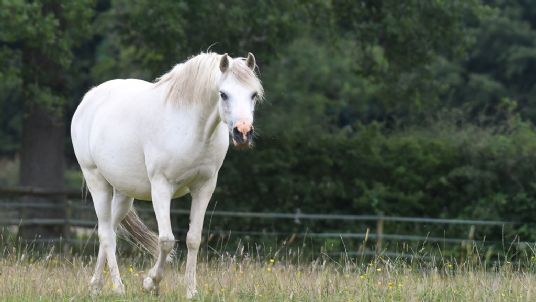
Laminitis is a metabolic disorder and many but not all, are overweight when they develop the condition.
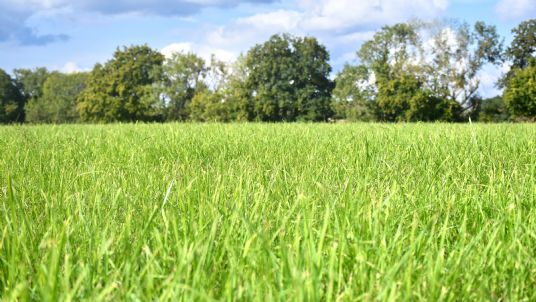
Before the grass starts growing too vigorously, it is a good time to reseed patches in your pasture that have been stripped or churned up over winter.
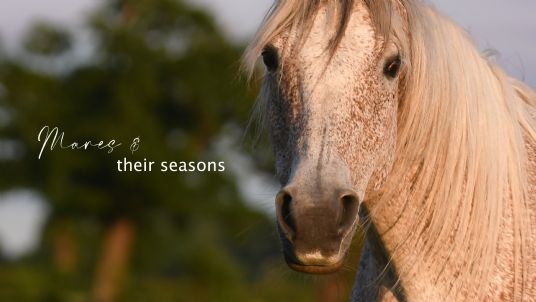
When mares are cycling, their hormones are fluctuating and, in many mares, will trigger changes in behaviour.
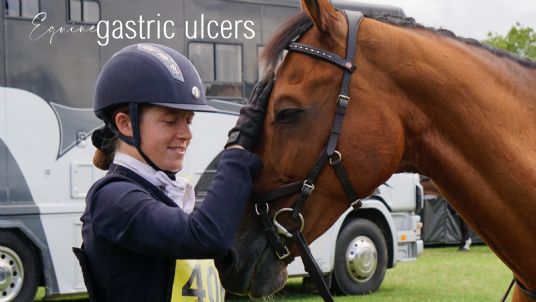
Ulcers are painful for the horse, can impact on their handlers or riders as they react to that pain, and may even reflect our failing to provide a calm and healthy environment.
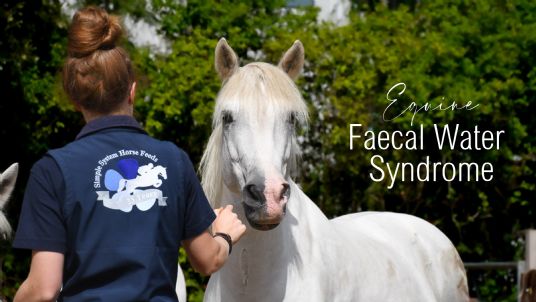
Faecal Water Syndrome generally indicates that something, somewhere is irritating the digestive tract or it is simply not working correctly.
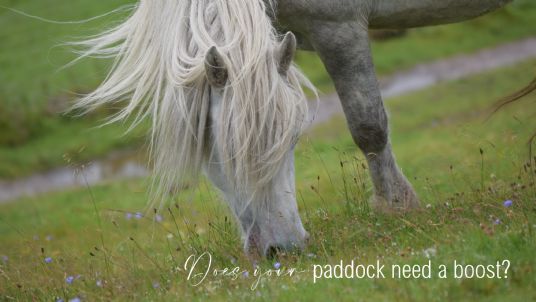
Your soil may need a helping hand after heavy grazing, and the rain may have increased acidity as well as washing out nutrients.
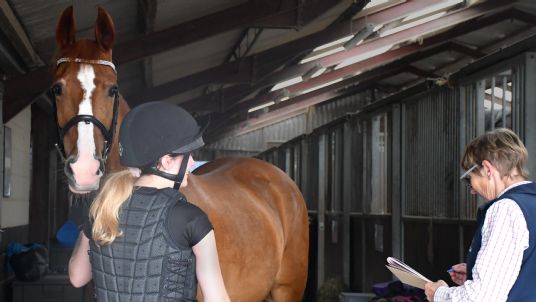
When you contact our Feed Line, we'll ask questions about your horse's age, weight and their daily routine - which includes both feeding and management.
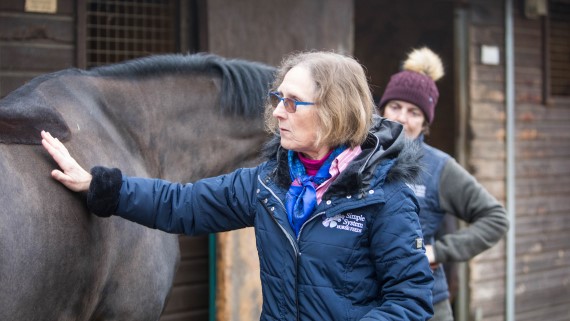
Our friendly advisors are happy to help, from product questions to complete personalised feed plans. Speak to our Feed Line for feeding advice today.