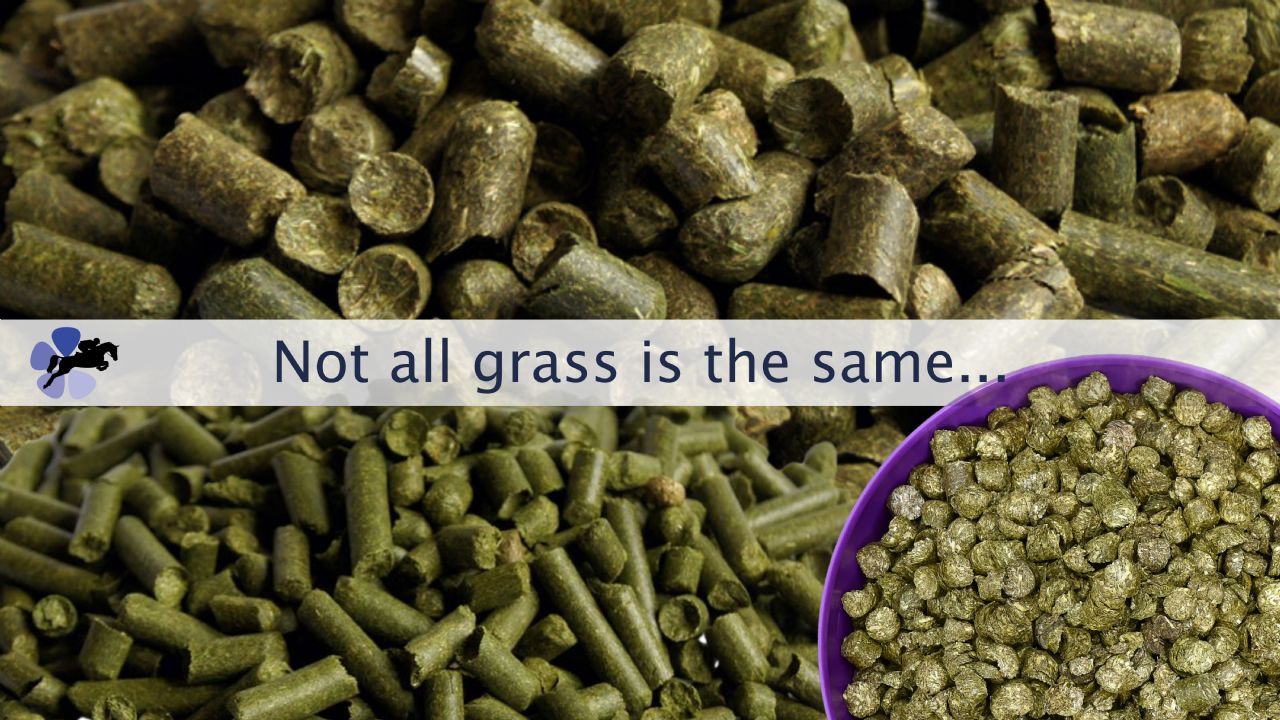
Q. Why use HayCare rather than grass pellets to replace hay for elderley horses with dental issues?
A. Not all grass is the same - the nutritional value of our grass pellets differs significantly.
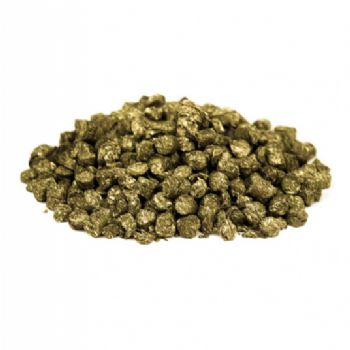
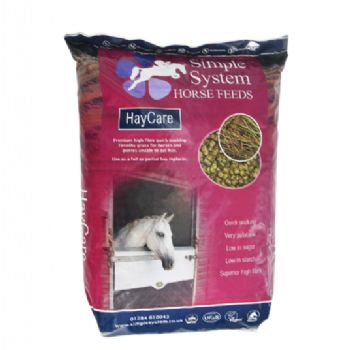
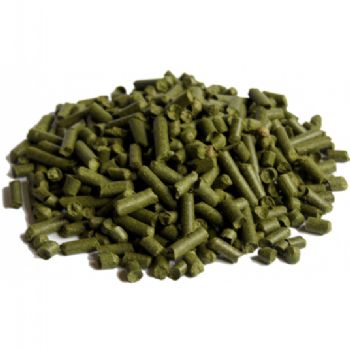
HayCare is a Timothy grass pellet, harvested at a mature stage. The nutrition it provides is likened to good quality, high fibre hay. It is the ideal direct replacement for hay, fed soaked in an easier to chew, mash format. It can be fed alongside your usual Simple System bucket feed.
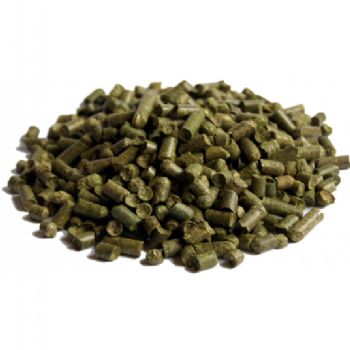
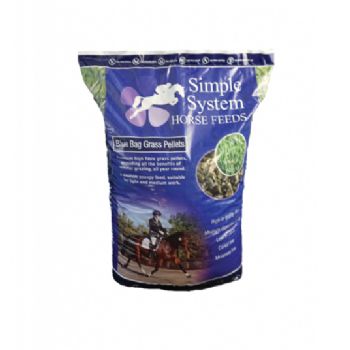
By comparison, Blue Bag Grass Pellets provide nutrition that is equivalent to summer grazing - they are more calorie dense than hay, offering a medium energy feed.
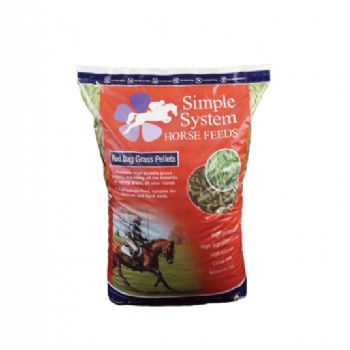
Red Bag Grass Pellets go a step further, providing a high energy feed, similar to spring grazing. These are often used for harder working horses or poor doers needing to gain weight.
If you'd like to discuss the suitability of our forage feeds for your horse our nutrition team are available to guide you. Contact the Feed Line on 01728 604 008 or complete our online form.
Browse the complete range of grass pellets and grass nuts for horses to compare nutritional profiles side by side.