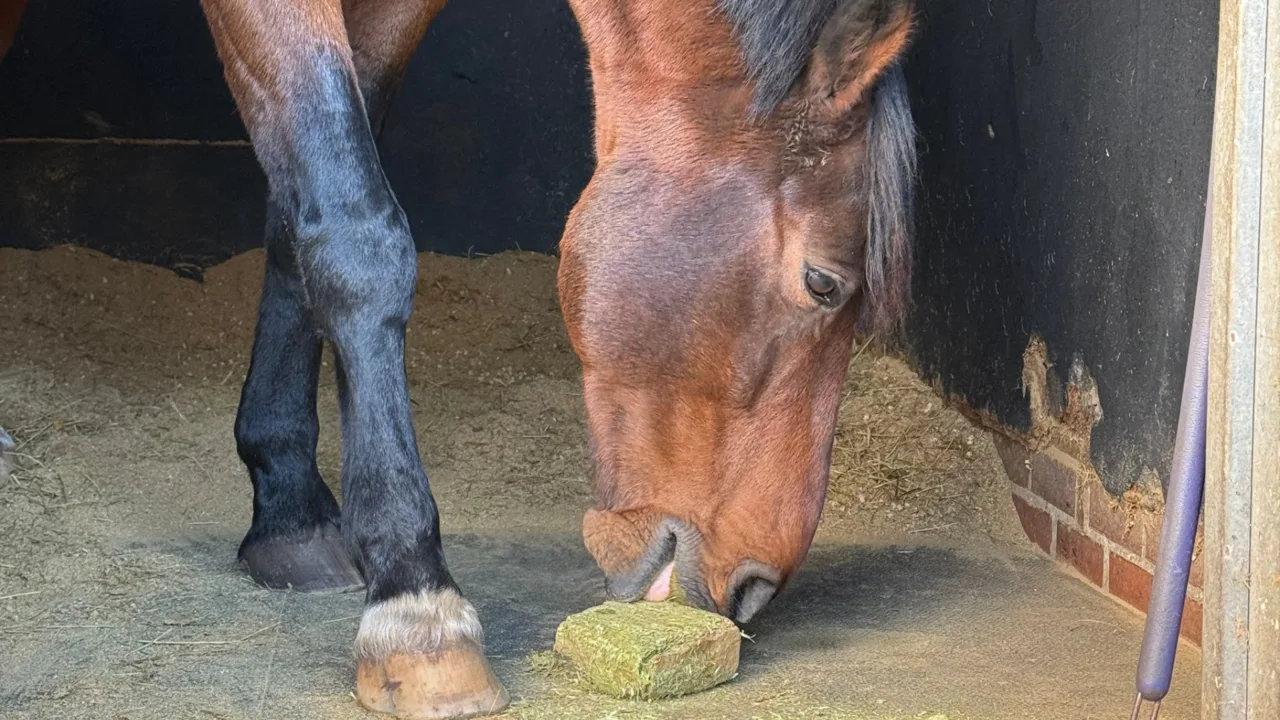
Looking for practical ways to enrich your horse's environment?
Simple System's Nutrition Manager, Ellen Lincoln, BSc. (Hons), MSc., BETA ENFAR Registered Nutritionist, has created an enrichment checklist with practical suggestions for both the field and stable environments.
Social and Physical Enrichment
Company
In the field: Turn out in suitable company, or at least within sight and proximity of other horses.
In the stable: Position horses where they can hear neighbouring horses. A radio or stable mirror can be a useful addition for those who are anxious when indoors.
Allogrooming
In the field: Allow mutual grooming; this can still be offered in separated turnout if there is a length of non- electrified fence between them.
In the stable: Half-height walls or openings between bonded horses allow opportunities for allogrooming.
Itching and Scratching
In the field: Provide safe scratching surfaces at different heights so horses can itch their entire bodies. Trees, field shelters, wooden posts, and purpose-installed brushes can all be good options.
In the stable: Textured rubber mats, purpose-made scratch pads and brushes can be fixed to stable walls. Just be sure there are no loose or sharp fixings that could snag the hair or skin.
Space to Move and Rest
In the field: Paddocks should be sizeable enough to allow horses to move freely and at all paces. If you have restricted space, fence in long strips rather than small squares. Ample room encourages movement and reduces conflict.
In the stable: Ensure there is enough space to turn around, lie down, and roll with a low risk of becoming cast. Supply clean, comfortable bedding at a good depth to support joints when lying down and getting up.
Browsing and Foraging
Forage Diversity
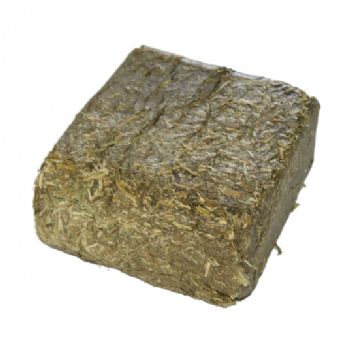
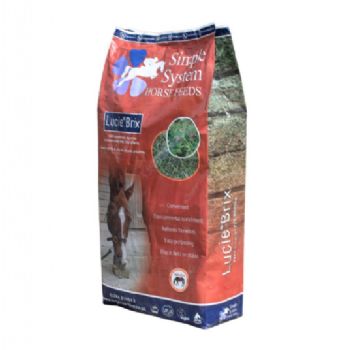
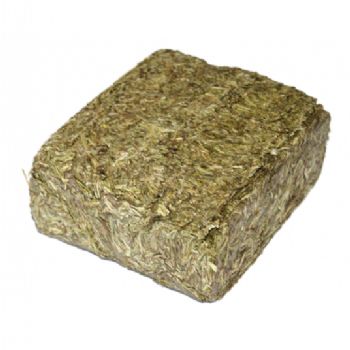
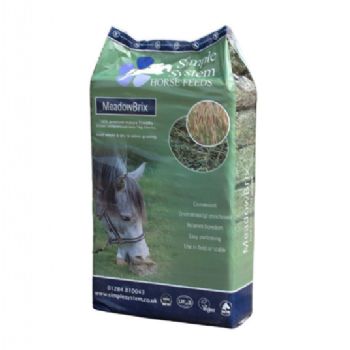
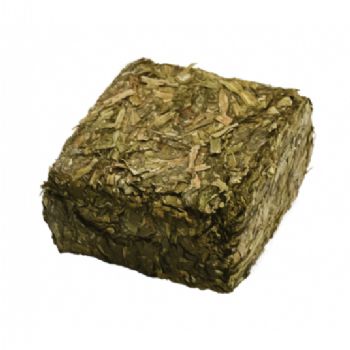
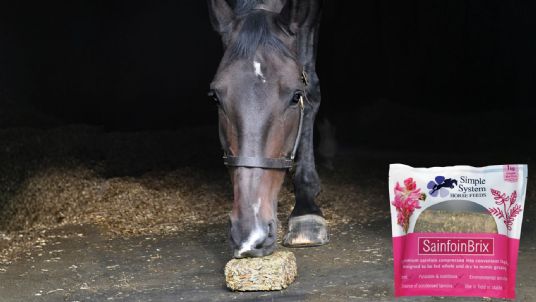
In the field: Give access to horse-safe hedgerows and provide mixed grasses, herbs, and forbs in the pasture. This can supplemented by spacing out different forage options: Simple System's forage Brix, meadow hay, and soaked forage pellets can all be used.
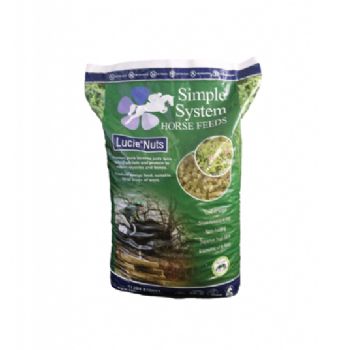
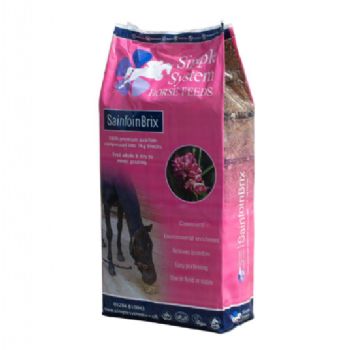
In the stable: Spread feeding stations out using multiple piles, nets, mangers, or slow feeders. Make use of different forage types (e.g. a lucerne pellet, a grass chop or forage Brix, and a sainfoin-based balancer) to support digestion and offer different textures to encourage natural browsing behaviour.
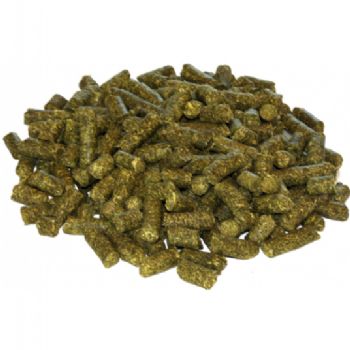
Our top pick for adding variety in the feed bowl is our Meadow Forage Pellets. With five forages (two grasses; Meadow Fescue and Tall Fescue, Sainfoin, Birdsfoot trefoil and Chicory) in one bag, they offer a quick and easy way to increase forage diversity.
Water and Salt Provision
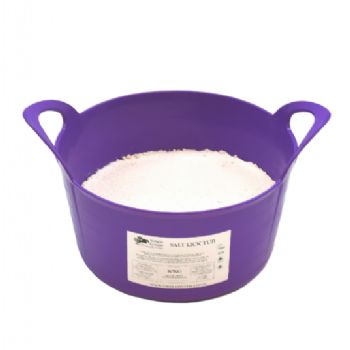
In the field: Be sure to offer constant access to clean, plain water and a free-choice salt lick at all times. Salt and other 'flavourings' can be added to water buckets, but always provide plain water alongside. A handful of TopGain or JustaMint in the water can be great for enticing poor drinkers!
In the stable: Again, allow free access to clean, fresh water and a plain salt lick. Horses can also 'eat' water in soaked feeds. PuraBeet is paticularly good as it soaks up to 5 times its volume of water and it can be used as a partial hay replacer.
For further advce and recommendations contact Ellen and the Simple System Feed Line on 01728 604 008, or ask a question here.