Do we need to replace any lost minerals now the horse is eating more hay than grass?
We all know the merits of “Doctor Green” and that if we had ample pasture, our horses could live out year-round with very little need for supplementary feeding as this good grass would go a long way to supplying all they needed, save for water and salt. So, what do we do when this green is in short supply and the diet, made up of hay instead, starts to look a little brown?
Well made hay can still retain a good level of minerals and without having it analysed you will not know for certain what it is abundant in or, undersupplying. A basic nutrient analysis will tell you the overall mineral or “ash” level whilst a more in-depth mineral analysis will give a complete breakdown of the essential minerals and trace elements. This is however a costly venture and with hay potentially in short supply again after the drought, testing every batch of hay soon becomes prohibitively expensive. What we can do for proactive support and cost effectiveness is focus on supplying quality mineral levels in the feed bowl instead.
Feeding a varied forage diet, beyond just grass, naturally increases mineral intake, especially where legumes such as a lucerne and sainfoin are used as their deeper rooting nature means they can access and uptake more from the soil.
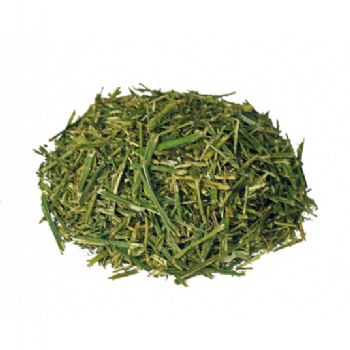
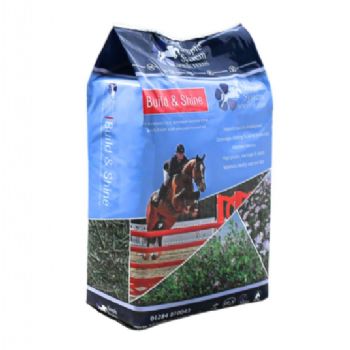
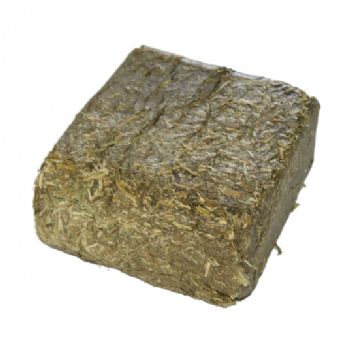
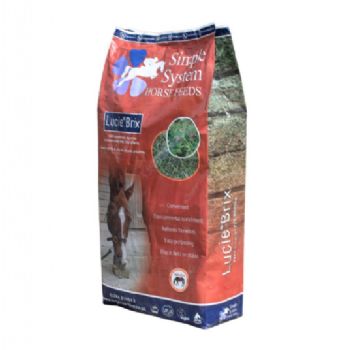
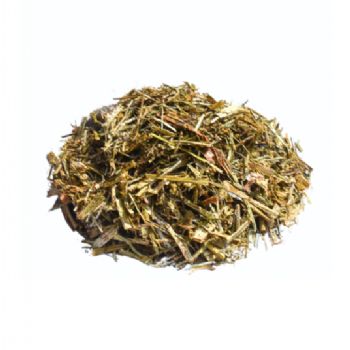
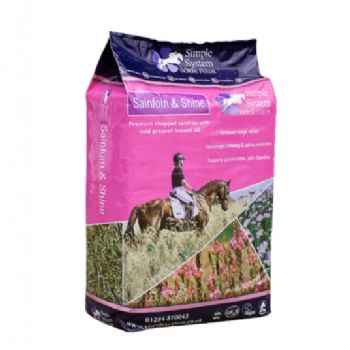
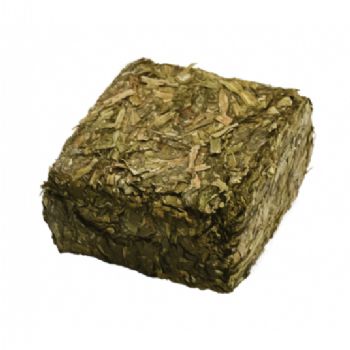
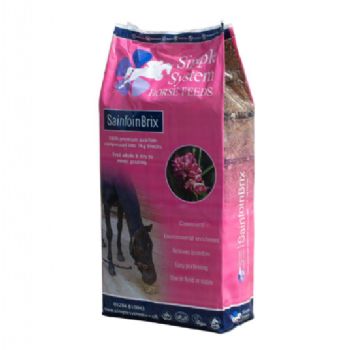
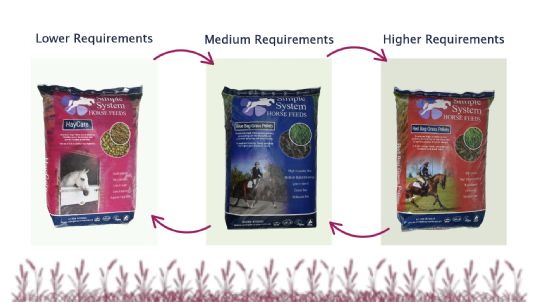
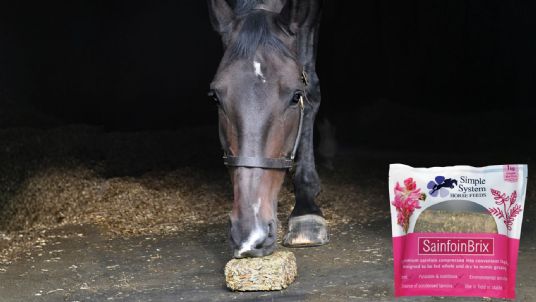
For those with good dentition and high energy demands using Build & Shine, Sainfoin & Shine, LucieBrix or SainfoinBrix as part of the forage ration helps partially replace lower nutrition forage with something high in minerals, protein and digestible energy. For the better doer, Organic Lucie Stalks or Lucie Fibre Cubes are the perfect low calorie forage top-up that is also mineral rich – and considerably more mineral rich than feeding straw which will not make up any of the potential shortfalls in your hay.
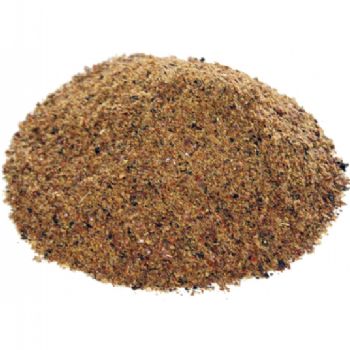
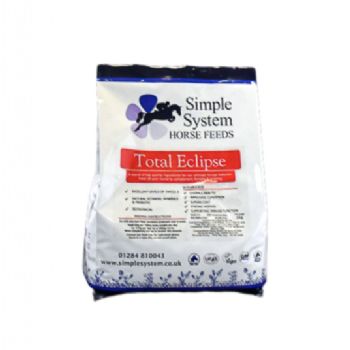
Seaweed is natures own mineral balancer and when every penny counts, Pure Organic Seaweed is the most economical mineral top-up you can feed, in a very concentrated amount. Combining seaweed with linseed and yeast, as in Total Eclipse, further tops up omega-oils which can be lacking in dry forage and yeast, whilst primarily used as a prebiotic, is mineral rich too!
Maintain salt provision even in cooler weather as sodium is one mineral very often in short supply in forage. Providing salty feeds or salted water can encourage drinking in cold weather but do ensure they are drinking plain, unsalted water readily too.
Whilst mineral supply can be variable in pasture and hay, feeding a quality forage balancer and mineral rich forage feeds will help provide your horse with all they need to thrive this winter.
If you are concerned about mineral intake or considering forage analysis, please do not hesitate to speak to our Feed Line team on 01728 604 008, or ask a question here.
Article by Ellen Lincoln, BSc. (Hons), MSc., BETA ENFAR Registered Nutritionist, Nutrition Manager at Simple System Horse Feeds