Frost and the increased risk of laminitis
Many of us have seen hard frosts this morning and snow may even be on the cards for some parts of the country later this week. This has the potential to increase the risk of laminitis.
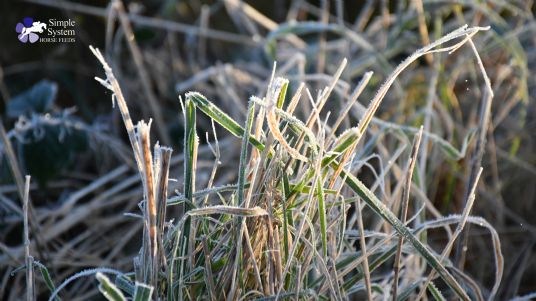
Many of us have seen hard frosts this morning and snow may even be on the cards for some parts of the country later this week. This has the potential to increase the risk of laminitis.
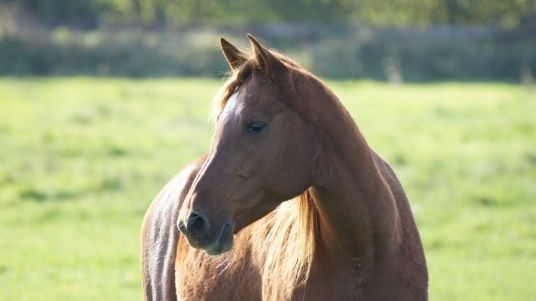
Autumn can be a tricky time for horses and ponies prone to laminitis. Horses and ponies that are overweight, older or have existing metabolic issues will be more at risk.
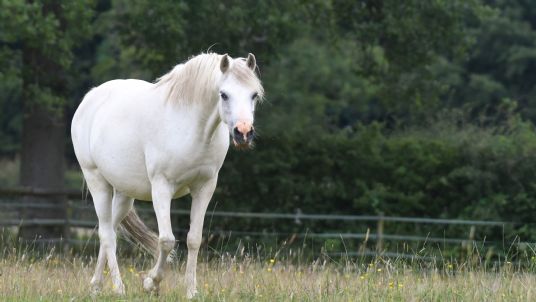
Despite being well into the summer months, laminitis cases are still high and we have been speaking to a number of concerned owners who are experiencing laminitis for the first time.
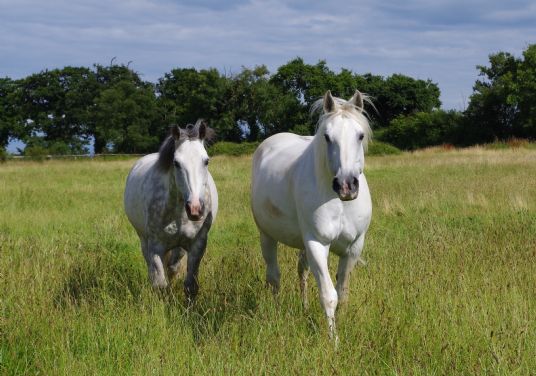
What a year for grass! Normally in August everything is looking a bit parched and the horses are starting to lose some of their springtime podge, but not this year. Instead of increasing the feed, a lot of our equine friends still need to have a l
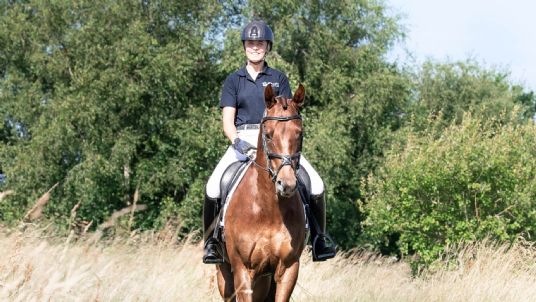
Autumn brings fresher horses, higher hormone levels and a greater risk of laminitis for insulin dysregulated horses.
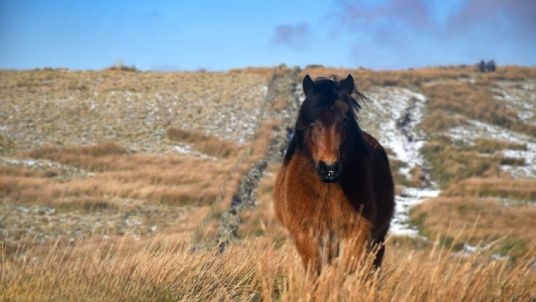
In the wild, with unrestricted access to pasture, horses would spend the summer “stocking up” by eating nutritious grass - and plenty of it - to aid them in building a thick coat and laying down excess weight...
Grass has the potential to grow all year, which is different from many other plants. Certain things are necessary for this growth, but if they are not met, the grass will be dormant, waiting for conditions to improve.
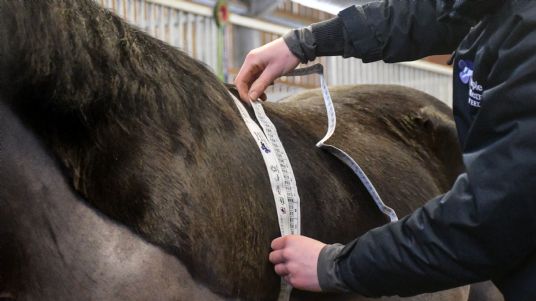
When the temperature decreases horses need more calories to keep warm so it is important to ensure our horses have enough food to sustain them.
Our friendly advisors are happy to help, from product questions to complete personalised feed plans. Speak to our Feed Line for feeding advice today.