In the wild, with unrestricted access to pasture, horses would spend the summer “stocking up” by eating nutritious grass - and plenty of it - to aid them in building a thick coat and laying down excess weight, even fat pads, to sustain them through the winter.
Through the winter, when resources became harder to find under snowfall, the grass was lower in nutrition and the weather was harsher, these excess fat stores would be burnt off for energy, allowing them to still function, flee and survive.
This might mean their Body Condition Score (BCS) would fluctuate by 1-2 points on a 1-5 scale: entering the winter around a 4/5, classified as overweight and coming out of the winter much leaner, even as low as a 2/5, classified as underweight. The rich spring grass would quickly help them get back up to a good or healthy BCS (around a 3/5) and them being overweight would have only been short lived. This sometimes quite stark fluctuation in Body Condition Score is very natural in wild horses, a normal cyclical process mirroring weather conditions and grass nutrition levels.
However, now that horses are extensively managed, kept indoors during harsh weather, given less opportunity to move in winter and along with the invention of rugs and concentrate feeds, this natural weight loss pattern is rarely seen. Horses that go into the winter in a fat body condition, come out of the winter still fat. Consuming spring grass on top of this tips them into obesity which increases the risk of metabolic issues and laminitis.
Regular monitoring of Body Condition Score throughout the year helps us plan ahead. A horse that is fat in autumn is less of a concern than at other times of year, but the winter needs to be used to advantage to slim them down.
What can you do to promote seasonal weight loss in a modern management system? The first major change to make is to allow them to get a little cold. Burning fat to keep warm is a highly effective weight loss tool. Horses have a wide thermoneutral zone - the range of temperatures within which maintaining core body temperature is “easy” without shivering or sweating. For healthy adult horses, this zone typically falls between 5°C and 25°C. In humans, this comfort zone is between 25°C and 30°C meaning we feel the cold a lot sooner than horses do.
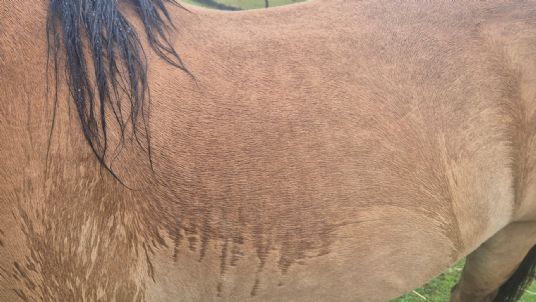
You could argue that most horses may not need rugging in winter, though rugging requirements can vary by age, health status or breed type. Use only a light sheet if absolutely necessary to keep the worst of the weather off when turned out and do not rug overnight when stabled. If you only ride at weekends in winter, then it won’t matter if they get a bit muddy midweek! You can also consider clipping – even just a trace clip on the chest and neck can help expose a little more skin to the elements.
Avoid overfeeding of both hay and bucket feed. Good doers in general and those on a weight loss programme need to consume around 2% of their ideal bodyweight per day in dry matter. This incorporates a suitable reduction without over restricting and placing them into starvation mode, whereby the body holds onto fat reserves rather than burning them for energy.
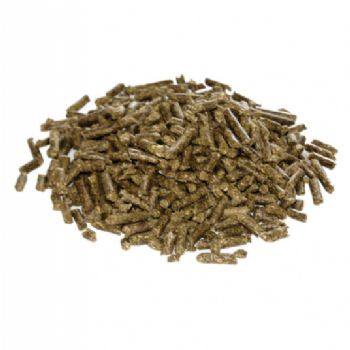
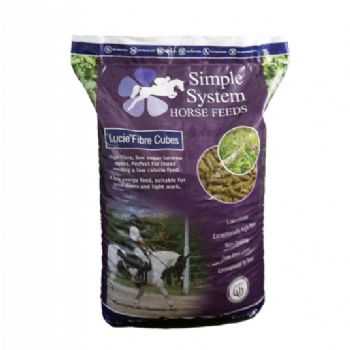
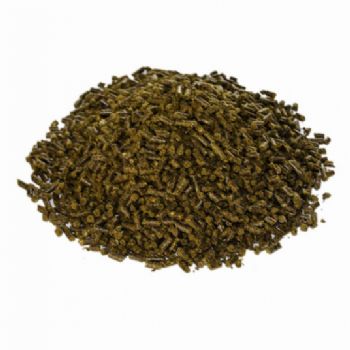
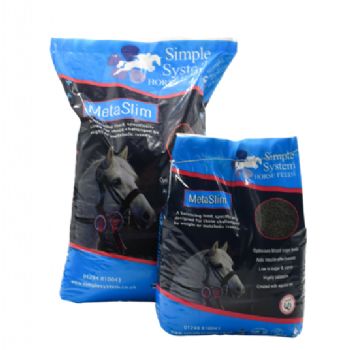
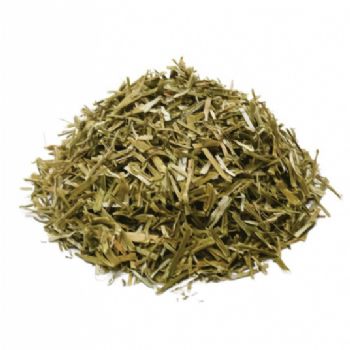
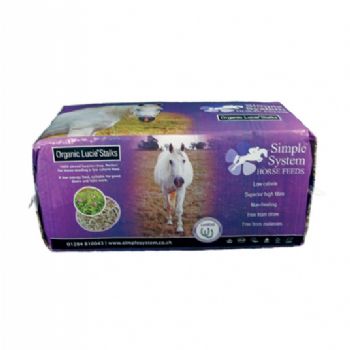
If your horse should weigh 450kg, they need to consume 9kg of dry matter per day. If they are stabled for 50% of the time, you can crudely assume they will need 4.5kg of dry matter when stabled. In the bucket feed, opt for high fibre, low calorie chops such as Organic Lucie Stalks to add bulk, or a soaked forage pellet for older, dentally challenged horses with a quality forage balancer - Lucie Fibre Cubes and MetaSlim are an ideal combination. This should be all they require.
As much as you can, increase the frequency, duration or intensity of exercise. You might not have the time (or daylight) to hack out or put in a schooling session, but getting them out of the stable in-hand is better than them standing in the stable not expending energy – you don’t even need to groom all the mud off for in-hand work.
Try to increase movement in their day-to-day life. Turn out as much as you can and use longer, narrower fields or track systems. Space supplementary forage further apart too, this will mean they move around more than if turned out in a square field with a single hay pile.
In the stable, split feed and forage into multiple nets/piles/bowls and again space these out so they cannot stand in one place eating until it is gone. This ability to pick between different feeding stations also mimics natural browsing and grazing behaviours, increasing enrichment and making feed and forage last longer.
It is also important to appreciate what a healthy body condition looks like and accepting that losing weight in winter is very normal – and to be encouraged. Horses should not look thin or poor, but they should also not be fat and well covered year-round. To learn more, follow our guide to Body Condition Scoring here.
Being overweight can slow metabolic rate, put excess strain on their joints and increase the risk of developing EMS, insulin resistance and laminitis.
If a horse has been on a strict diet and has had overly restricted food, when food or grazing is available, their rate of consumption will increase. On restricted grazing, they can eat as much in 12 hours as they did previously with 24/7 access to grazing. Then, their intake can increase to double their needs, 5% or even more, of ideal bodyweight. We all know how hard it can be to manage good doers, but starving them really, truly, is never the answer. It helps to work with ideal bodyweight as this is a constant, as is the gut, unlike actual bodyweight, which can fluctuate.
Aiming for them to come out of the winter at around a 2.5/5 Body Condition Score is ideal – if they are dipping below this then do increase feeding sooner, but otherwise you can wait for the better grass and warmer weather to do its job.
On the flipside of this, it is worth mentioning that if you have a horse already coming into winter lean, they are going to need increased feeding and even ad-lib forage so that they do not lose even more – this is especially important to monitor in older, dentally-challenged horses who may be less able to manage hay.
If you’d like to discuss your horse’s dietary needs this winter, contact the Simple System Feed Line on 01728 604 008, or complete our advice request form for a free Feed Plan.