FB Pixel

Latest News

Understanding: Ragwort

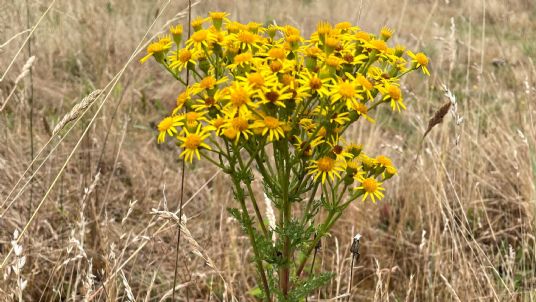
The dreaded ragwort is flowering now and is easy to spot. It is also starting to go to seed, so any not promptly removed will spread through its wind-borne seeds. The safest way to remove ragwort from horse pastures is to pull or dig it up, hopefully getting all the roots at the same time. Wear gloves and a face mask to protect yourself from the sap and pollen. Gather it into re-used feed bags and put the plants flowers down, roots up, to avoid inadvertently spreading seeds. Put pulled plants straight into the bags - don't carry them around as this risks spreading seeds.

Understanding: Sand Colic

There are many causes of colic of which sand is just one. It occurs when ingested sand accumulates in the large intestine. It can caaltered ain a proportion of sand and these coarser, heavier grains sink to the lower parts of the large colon. Your vet can help with diagnosis as there is a distinct line across the top of the sand which can show up on an ultrasound, for instance, or they may be able to hear the grains of sand with a stethoscope.

Understanding: Laminitis

Despite being well into the summer months, laminitis cases are still high and we have been speaking to a number of concerned owners who are experiencing laminitis for the first time. The warm and wet weather we have forecast is likely to trigger further flushes in grass growth and so monitoring overweight or metabolic equines is essential. a weigh tape daily and record readings to quickly spot changes.

A history of sainfoin

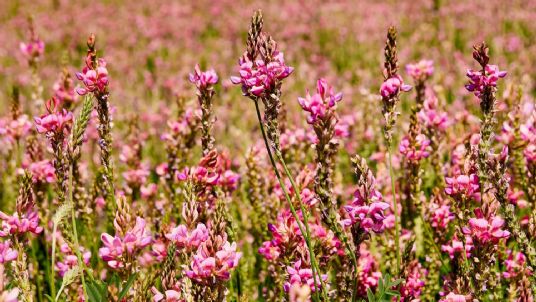
Sainfoin is an ancient legume that has been grown by farmers across the world for hundreds of years. It is native to South Central Asia and was introduced into Europe in the 15th century. There is a record of sainfoin being imported into England from France in 1652. The name Sainfoin comes from the French saint foin or sain foin meaning "healthy hay". It was known that animals fed on sainfoin were healthier and put on weight more rapidly than on other forage. In the days when working horses were commonly used in agriculture, sainfoin was grown as a hay crop to provide high quality forage which would power the heavy working horses. In the south of England, one in seven fields used to be covered with sainfoin and it is still widely grown in northern Spain, Italy, Armenia, Ukraine, Kazakhstan, Kyrgyzstan and Georgia.

Hemlock or Cow Parsley?

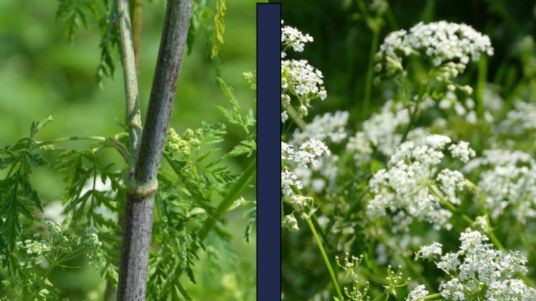
Hemlock, a highly toxic plant, appears to be growing in abundance this year. Hemlock and cow parsley look similar. Although cow parsley is safe and tasty for our horses, hemlock is very poisonous and can be fatal even in small quantities.

There are some differences between the two plants, and hemlock can be identified in a few different ways.

Electrolytes for Horses

Electrolytes for horses

Horses lose salts in their sweat. In fact, their sweat is saltier than their blood, so these salts, called electrolytes, need to be replaced.

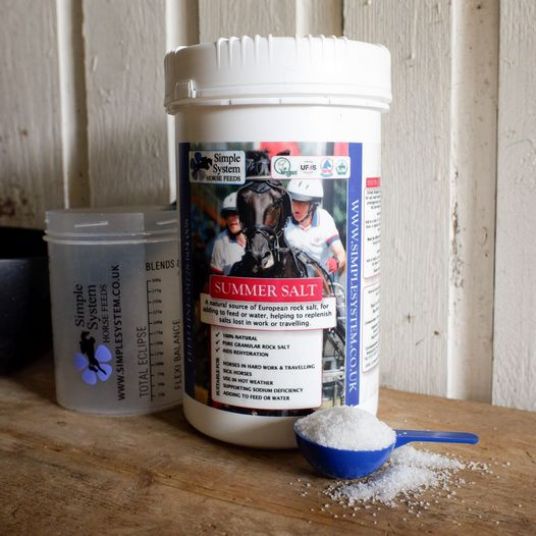
The minerals that come under the general heading of electrolytes include sodium, potassium, magnesium and calcium. Many diets are low in all of these, but a forage diet only lacks sodium the others are in plentiful supply in a balanced, forage diet. Sodium comes as sodium chloride, or common salt. So, your forage fed horse needs a top up only of sodium! This is easily achieved by adding Summer Salt to the feed or water. It comes in a sturdy tub with a measure, so can go in the lorry for shows and events. Salted water, especially if it is not too cold, can help encourage a horse to drink and the salt may also disguise the taste of water different from that at home. Always offer plain water alongside.

Feed the mare to feed the foal

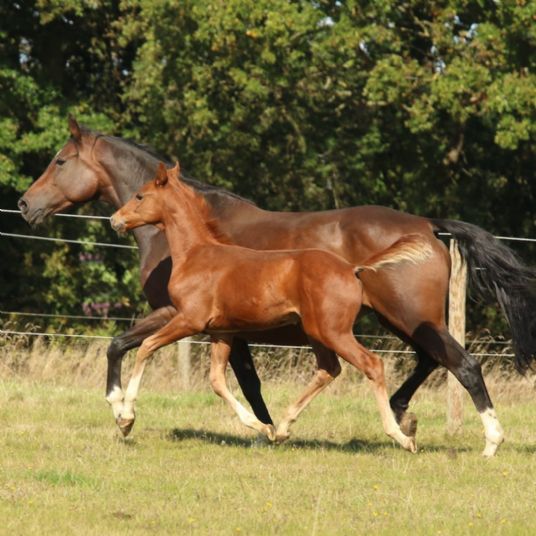
When a foal is born they rely on their mother to provide all the nutrition they need, and with a foals continuous routine of eat, sleep, poop, repeat, you may be surprised how much extra nutrition your mare requires.

Nature provides fairly well with good spring grass, but not all grass is the same, and not all foals are born in the spring. Paddocks can lack enough vital minerals such as calcium, which the mare requires considerably more of when she is lactating. It is therefore wise to offer a balancer to help keep her vitamins and minerals topped up.

Sycamore saplings are springing up everywhere...

𝗦𝘆𝗰𝗮𝗺𝗼𝗿𝗲 𝘀𝗮𝗽𝗹𝗶𝗻𝗴𝘀 𝗮𝗿𝗲 𝘀𝗽𝗿𝗶𝗻𝗴𝗶𝗻𝗴 𝘂𝗽 𝗲𝘃𝗲𝗿𝘆𝘄𝗵𝗲𝗿𝗲, 𝘁𝗵𝗲𝘆 𝗰𝗮𝗻 𝗯𝗲 𝗲𝘅𝘁𝗿𝗲𝗺𝗲𝗹𝘆 𝗱𝗮𝗻𝗴𝗲𝗿𝗼𝘂𝘀 𝗳𝗼𝗿 𝗵𝗼𝗿𝘀𝗲𝘀 𝗮𝗻𝗱 𝗼𝘂𝗴𝗵𝘁 𝘁𝗼 𝗯𝗲 𝗿𝗲𝗺𝗼𝘃𝗲𝗱 𝗳𝗿𝗼𝗺 𝗽𝗮𝗱𝗱𝗼𝗰𝗸𝘀. Ingestion of any part of the sycamore, even seemingly dead looking 'helicopters' or leaves, can cause 𝗮𝘁𝘆𝗽𝗶𝗰𝗮𝗹 𝗺𝘆𝗼𝗽𝗮𝘁𝗵𝘆 - a disease that is often fatal for horses.

This year sycamore saplings are more widespread than many of us have ever known before. We recommend fencing off any affected areas, or better still remove your horses altogether. Even if you don't have sycamore trees in or around your paddocks, we would encourage you to give them a thorough check over before allowing your horses to graze.

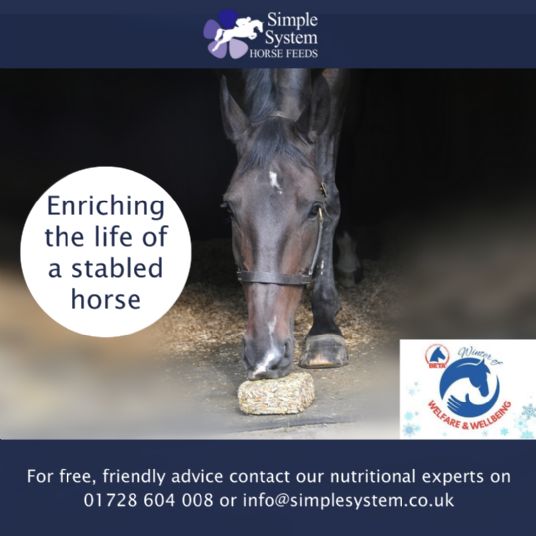
Enriching the life of a stabled horse | Supporting BETA'S Winter of Welfare & Wellbeing Campaign

For most people it is inevitable that our horses will have to spend a larger proportion of time than we would like, in a stable. This may be due to seasonal, grazing or routine restrictions at the yard or due to injury or illness.

Regardless of the reason, due to the horse�s evolution as a free-roaming animal the stable is an unnatural place for them to find themselves in. Through inhibiting their ability to express natural behaviours such as moving and grazing almost constantly, or having close physical contact with other horses, it can be a source of stress and frustration.


There are ways in which we can reduce the anxiety of being stabled and instead make it a safe, enriching space.

2022 Round-Up

It's in the most challenging years that we learn the most and we've certainly learnt a lot in 2022!

Our trusted growers have experienced a perfect storm this year, with unprecedented rises in costs and the worst Europe-wide drought for 500 years. Our long-standing relationships have meant that these problems have become opportunities. With some lateral thinking, we've managed to secure all our supply, at the quality we expect.

Cold Weather Feeding & Management Tips

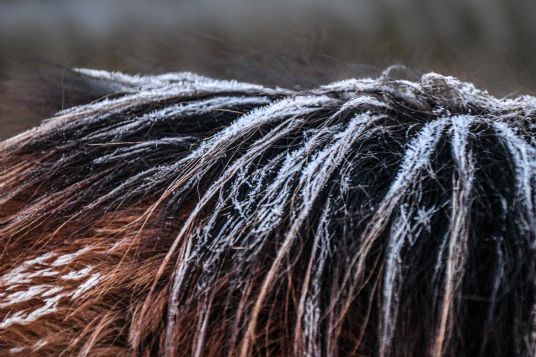
There are MET office weather warnings across much of the UK, bringing decreasing temperatures, hard frosts and snow to some parts of the country. This has the potential to disrupt our horse's usual routine and increase the risk of laminitis and colic.

When the weather turns cold, horses are less inclined to drink and coupled with sudden changes in management, such as more time spent stabled, or eating more hay, this can increase the risk of impaction colic. Ensure that exercise remains part of your daily routine for stabled horses. Walking out in hand helps to keep the gut moving, reducing the risk of impaction and generating warmth in the process. There's plenty we can do to encourage our horses to drink too...

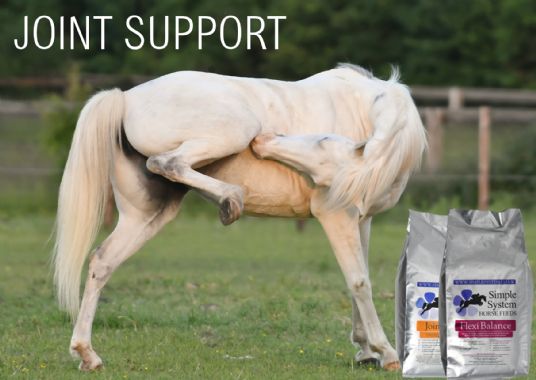
This Month on The Feed Line - Joint Support

For horses and humans alike, joint issues can worsen in the cooler weather. Whilst we may think a few extra 'duvet days' may help, this is not often the case. Horses with joint issues, such as arthritis, often benefit from moving around, so as much turn out as possible is recommended. This can prove difficult in the winter months - when our fields are more like wallows than pasture. Here's a few tips to keep your stabled horses a little more mobile...

Microbes in your horse's gut

These are the vital part in the breakdown of forage into nutrition in the horse. There are trillions of them! And the greater the variety, the better. Forages support good gut microbes but preservatives, antibiotics, starchy, highly processed and sugary foods can all reduce the variety and increase the �bad� microbes. Pasture often contains a wide range of plants as well as grass and is after all what horses evolved to eat. Replacing this with hay when grazing is not available is good but often hay or haylage is only one or a very few different types of grass and possibly varieties bred for volume not quality. What goes in the feed bowl can make a huge difference to the microbes. Not only are they vital for turning fibre from forage into nutrition, but they also make the horse�s B group vitamins, vitamin K and contribute up to 80% of immunity.

Winter Coughing

It is not unusual for horses to cough in the winter. Horses evolved as grazers, out on the grassy, treeless plains. They had limitless fresh air, food with a high water content and ate with their heads down. Animals adapt over millennia to their environment. Horses have developed an excellent digestive system and massive microbial population to cope with the large amounts of fibrous food they eat. They have not developed a method of coping with dust and spores as they have not in their evolution been exposed to these things. With their heads low down, any mucus in their respiratory tract can easily drain, so they have not needed to have a system that can clear the airways upwards.

Weight gain for older horses

Autumn is with us, even if it is a bit uncertain! Horses are now well into their winter coats, the grass is going off and whilst this is a good time to let the weather take weight off our fatties, some horses are not fatties and need extra feed now to ensure they are able to go through winter without getting positively poor. Older horses, thin skinned ones and growing youngsters can all come into this category.

Omega oils - not always confusing!

The horse�s natural diet of grazing on the treeless plains and steppes is generally quite low in nutrition and also low in oil � around 2-3%. That oil on which the horse has successfully evolved has 4 times as much omega 3 as omega 6, so I do not think we are wrong in assuming that is the balance on which horses will best thrive. Omega 3 is anti-inflammatory and so also aids healing. It is an important component of cell membranes. Omega 6 is pro-inflammatory and as such, will initiate the healing response, but not actually facilitate it.

When can we start using new hay?

When old hay is running low, or is not very good quality, we will want to start on the new hay as soon as possible. But when can we start using new hay? Newly made hay continues to under-go changes even after it is baled. Traditionally, new hay was never fed to horses until Michaelmas at the end of September - when it was termed old hay! In practice and under pressure of supplies, do not feed new hay until it has been baled at least 6 weeks and even then, keep a close eye out for any signs your horse is not happy with it. This could be loose droppings, bloated and gassy or even colicky. Not all horses are affected by new hay, but it is not worth risking a gassy colic.

Can stress cause ulcers in horses?

With better diagnostic tools and techniques, ulcers are being more widely diagnosed. There are basically three types of stomach ulcers and horses can also get hind gut ulcers which are much harder to diagnose as they are out of reach of any endoscope.

  • Stomach ulcers can be squamous, which occur in the upper part of the stomach that is not protected against acid. These may be a result of working a horse on an empty stomach.
  • Mucosal or glandular ulcers occur in the lower part of the stomach and these are more associated with stress.
  • Pyloric ulcers occur near the pyloric valve, between the stomach and the first part of the small intestine. These are more likely when the horse has been fasted for several hours.

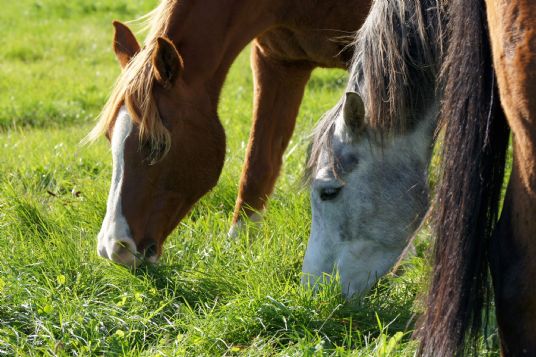
Long grass vs. short grass

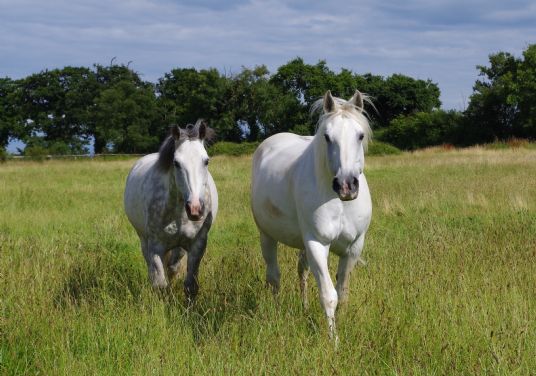
This green stuff is confusing! Here are my horses up to their armpits in lush green grass. I thought they would for sure get the scours when I took them off of the very short grass they were on  with all the rain coming they would have turned that paddock into a ploughed field and it would never grow decent grass again! But actually, their droppings went from green and sloppy on the short grass to golden brown and formed on this new grass, more like hay fed horse droppings. It might look like a nightmare about to happen, but in practice, it is actually much better for them than the short grass was. It is higher in fibre, probably lower in nutrients and undoubtedly takes a lot more chewing! Food for thought? Take home message - long grass might actually be better for horses than short grass. Or did we not know that already? Jane van Lennep, Director of Nutrition

Spring is on the way! Spruce up your pasture

Before the grass starts growing too vigorously, it is a good time to reseed patches in your pasture that have been denuded over winter. A little extra grass seed spread in early spring can make a big difference to your grazing. There is not often any need to plough up and reseed from scratch � it is expensive, time consuming and can take even years to establish a strong turf. Paddocks in need of a spruce up should be grazed down then harrowed to loosen the surface and iron out lumps or bumps. New seed can then be broadcast by hand, or drilled very shallow. Then, ideally, roll to establish good contact with the soil. Keep the horses off it for at least 6 weeks, until there is good growth. March and April are good months to do this but by May and June, weeds and other grasses will be growing so vigorously as to shade out new growth. If you miss the spring time to reseed, there is another window in August and September, but avoid periods of dry weather.

What causes gastric ulcers in horses?

Gastric ulcers can be caused by a variety of issues relating to feed, management and workload. They are being increasingly diagnosed across all horse populations, including leisure horses, likely due to greater awareness of the signs and symptoms. There have also been developments in technology allowing vets to make earlier and more conclusive diagnoses.

What are the different types of gastric ulcers in horses?

There are three main types of gastric ulcers in horses:

  1. Glandular or mucosal ulcers occur in the lower part of the stomach and are typically associated with stress.
  2. Squamous ulcers occur on the upper part of the stomach and are mainly due to acid splash, such as working a horse on an empty stomach.
  3. Pyloric ulcers occur at the junction with the duodenum (first part of the small intestine) and are more likely to occur when the horse has not had access to feed for several hours.

What is the best treatment for gastric ulcers in horses?

Treating a horse with ulcers is a four-fold approach:

Should horses constantly be eating?

How many times a day should a horse eat?

Horses evolved on grassy, treeless plains. They are nomadic trickle feeders that would spend and average of 12.5 hours a day grazing upon forage - which would have been the leaves, stalks, flowers and seed heads that grew on these plains.

Relatively recent studies show that horses generally graze in 10 to 15 feeding bouts per day and so constant availability of forage is deemed essential for our horses health and well-being.

What should a horse eat?

Whilst we cannot provide a grassy, treeless plain it is possible to recreate some of the factors that constitute species-appropriate feeding for horses that spend time in a stable.

Vegan Horse Feeds

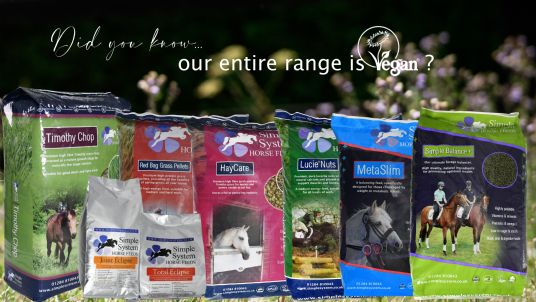
Did you know Simple System's entire range of feeds are all registered with The Vegan Society?

The horse is an obligate herbivore which means in human terms, it is Vegan. Sadly, not all the ingredients in many ranges of feed are all from plant sources but we have respect for the horse as an obligate herbivore and feel it is inappropriate to include animal remains of any sort in horse feeds.

The Vegan Society is very thorough in its processes to ensure that we adhere to their strict guidelines and we are inspected regularly to ensure compliance.

Why are Ulcers a common problem in horses?

Stomach ulcers are sadly common place in horses. They are being increasingly diagnosed across all horse populations, including leisure horses, likely due to greater awareness of the signs and symptoms. There have also been developments in technology allowing vets to make earlier and more conclusive diagnoses.

What causes ulcers?

Ulcers can be triggered, or exacerbated by stress, travelling, long periods without food, insufficient forage, cereals and straw. Some medications can also trigger them.

Winter Feeding Tips

Our Director of Nutrition, Jane van Lennep BSc., MSc., BHSI (SM Cert)., NPSD., shares advice on how to feed your horse this winter.

Forage first. Make sure your horse always has forage available to eat. Horses generate their heat through fermenting forages in the hindgut. By ensuring your horse has enough hay to eat, you will keep him warm in the coldest weather. Split hay rations into two or three piles spread evenly apart. Encouraging movement will keep your horse exercised, healthier and will help keep joints in good condition.

Split feeding times. Instead of feeding your horse once a day, try to split feeding times to two or even three times a day (if possible!). Horses are used to eating almost constantly.

Check water levels. Monitor your horse's water daily to ensure they are drinking enough and staying hydrated. Break ice on frozen water troughs (use a colander to sift out chunks of ice) and add in a little hot water to tempt your horse to drink. If your horse needs further encouragement still, adding a handful of TopGain , MetaSlim or Simple Balance + can work incredibly well. Soaked forages, such as our Blue Bag Grass Pellets, are a great way to hydrate your horse as well as giving them a nutritious feed. 

Managing the Cold Weather

Don't get caught out by this spell of cold and wet weather! When the temperature drops horses need more calories to keep warm and when it is wet as well, even more so. Add in a brisk wind and needs really go up.

Podgy ponies and low calorie nutrition

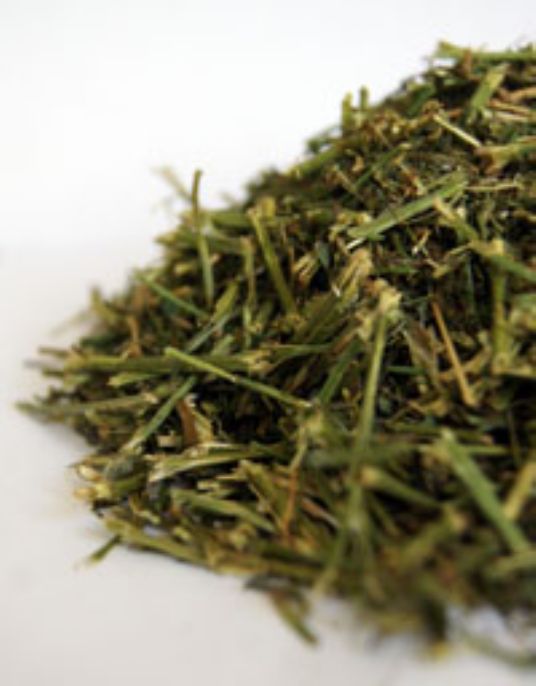
What a year for grass! Normally in August everything is looking a bit parched and the horses are starting to lose some of their springtime podge, but not this year. Instead of increasing the feed, a lot of our equine friends still need to have a lower calorie diet. Organic Lucie Stalks to the rescue! This amazing feed is really low in calories, naturally very low in sugar and all this achieved without using straw. Straw is now recognised as being an unsuitable feed for horses � but we already knew that because we do not want horses to eat their straw beds! The magic is achieved on this 100% pure lucerne feed by sieving it � the more nutritious leaf particles are taken out, leaving only the high fibre stems. It is a jolly good chew for your horse or pony so it is satisfying to eat, gentle on the stomach and contains no nasties! Great for donkeys, too.

Lucerne, a Prince Among Horse Feeds!

There has been a lot of chat about lucerne/alfalfa lately and it seems many people have been confused by conflicting reports and various dire warnings! As it is potentially such a useful for feed for so many horses, I hope the following will shed some light on the benefits of this wonder-feed!

Where ever in the world that lucerne (or alfalfa, its American name) grows, it is highly rated as a feed not just for horses but for other livestock, too. A couple of generations ago, lucerne was widely grown in the UK as horse feed, either fresh or as hay, but as farm horses declined, so did the growing of lucerne. It does not stay fresh for long if it has to be transported, and to make lucerne hay requires considerable skill and luck with the weather. However, a few farms dedicated to growing forages for artificial drying have kept lucerne production here going and it is quite widely grown on the Continent. Small amounts are produced for silage, mainly on organic farms, as lucerne requires very little inputs and easily fits into an organic regime, and a little is made into hay or haylage.

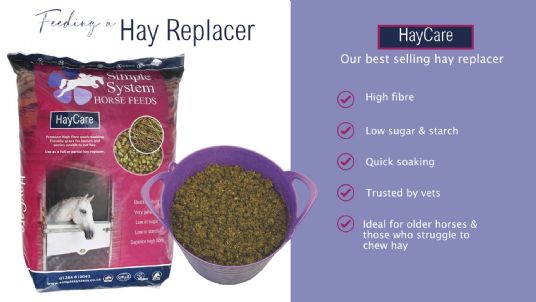
Our Best Hay Replacers for Horses

With both grass and hay in short supply, a lot of horse owners are looking for a suitable forage to replace hay & keep the horses ticking over until there is more grass and new hay.

Cheap feeds are not always economical, good quality always pays!

On our travels we have seen some hay and haylage made already which is encouraging, but it is best to wait at least 6 weeks before using it and bear in mind, when made in May or June, this could be very rich. It will be high in sugar and protein but relatively low in fibre, so not quite what we normally think of as hay. Ideal horse hay is first cut, made in July or even August, when fibre levels are higher and it is not too nutritious or heating.

So, until the next lot of suitable hay is around what are the alternatives?

Saving money on bedding

We all used to use straw for bedding. It was cheap, locally available, rots to make good compost and looks bright and comfortable. But we all became very concerned about issues of allergies and wind problems and have deserted straw in favour of woodchips, hemp stalks and other chopped by products of crop production. But these alternatives are getting more expensive and now cost around 10 times the price of straw. There may well be a case for returning to straw bedding in some cases. Straw is prone to moulds and the spores from the moulds can make many horses cough and maybe even show other signs of allergy. Carefully managing straw as a bedding material can in many cases avoid the problems traditionally associated with straw.