What is quidding and what can we do about it?
Quidding is a term used to describe when a horse drops 'balls' of partially masticated (chewed) long stem forage, although they can also quid chops / chaffs an
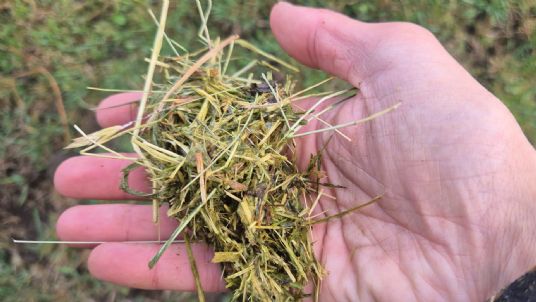
Quidding is a term used to describe when a horse drops 'balls' of partially masticated (chewed) long stem forage, although they can also quid chops / chaffs an
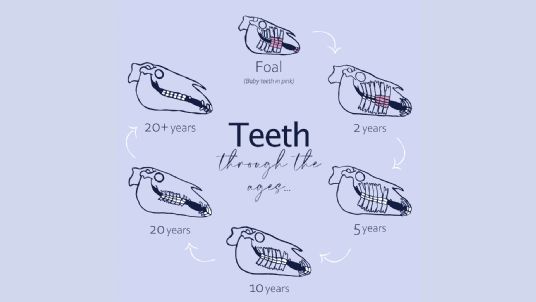
Horses’ teeth change throughout their lives - they are continually growing and continually wearing, as they chew and grind their grazing and forage.
Grass has the potential to grow all year, which is different from many other plants. Certain things are necessary for this growth, but if they are not met, the grass will be dormant, waiting for conditions to improve.
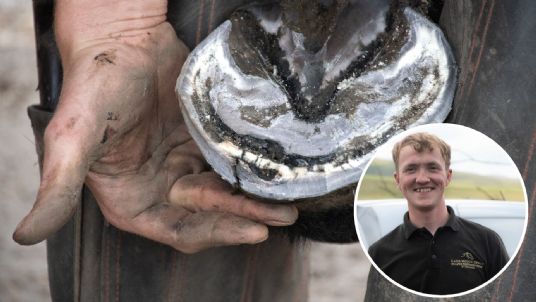
In the equestrian world there may be no truer phrase than ‘‘no foot, no horse’’. Read on for Winter Hoof Care Tips, from the Farrier's Perspective
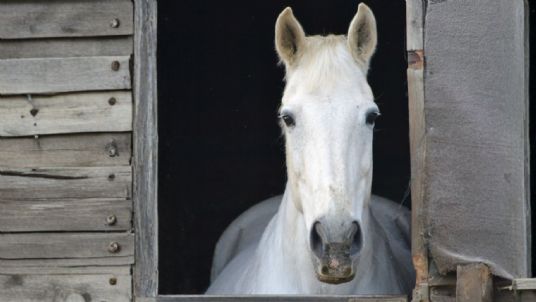
Many yards make adjustments to their daily routines when the clocks change at the end of October...
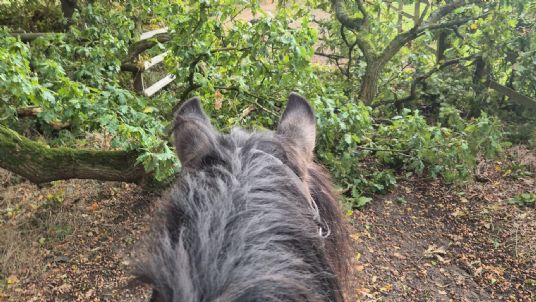
High winds and a higher risk of atypical myopathy and oak toxicosis
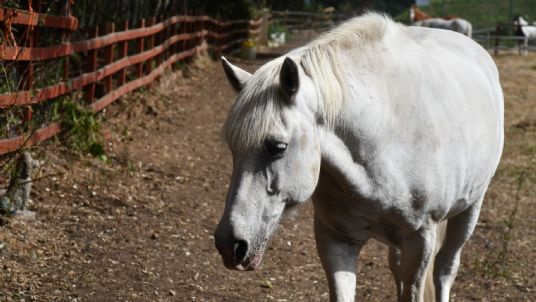
Track systems for horses are growing in popularity, but are they beneficial? Here's what the research says...
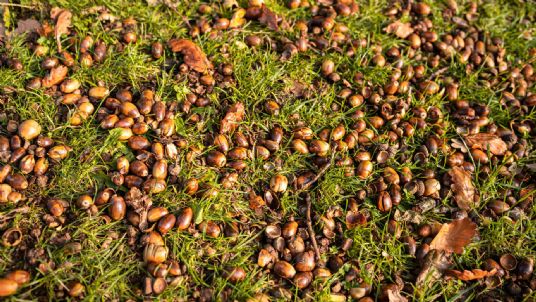
Why are there so many acorns this year? Every few years, nature produces an abundance of fruits, nuts and seeds.
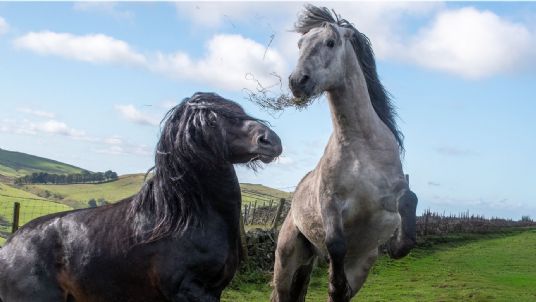
Changing hormones result in changes to behaviour. These changes can be more marked in younger mares and fillies who have yet to adjust to their fluctuating hormones, mares who have already had a foal and mares on starchy or sugary diets.
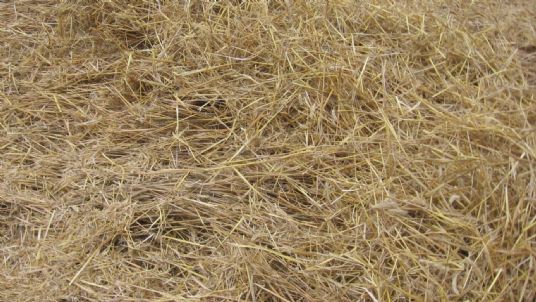
With forage yields reported to be down by up to 50% this year, hay may well be in short supply this winter.
Our friendly advisors are happy to help, from product questions to complete personalised feed plans. Speak to our Feed Line for feeding advice today.