As our growers shut down their dryers for winter, we’re able to review what has been another challenging year for forage production. The driest spring for over 50 years, combined with the warmest summer on record, has affected not only yield but also crop composition.
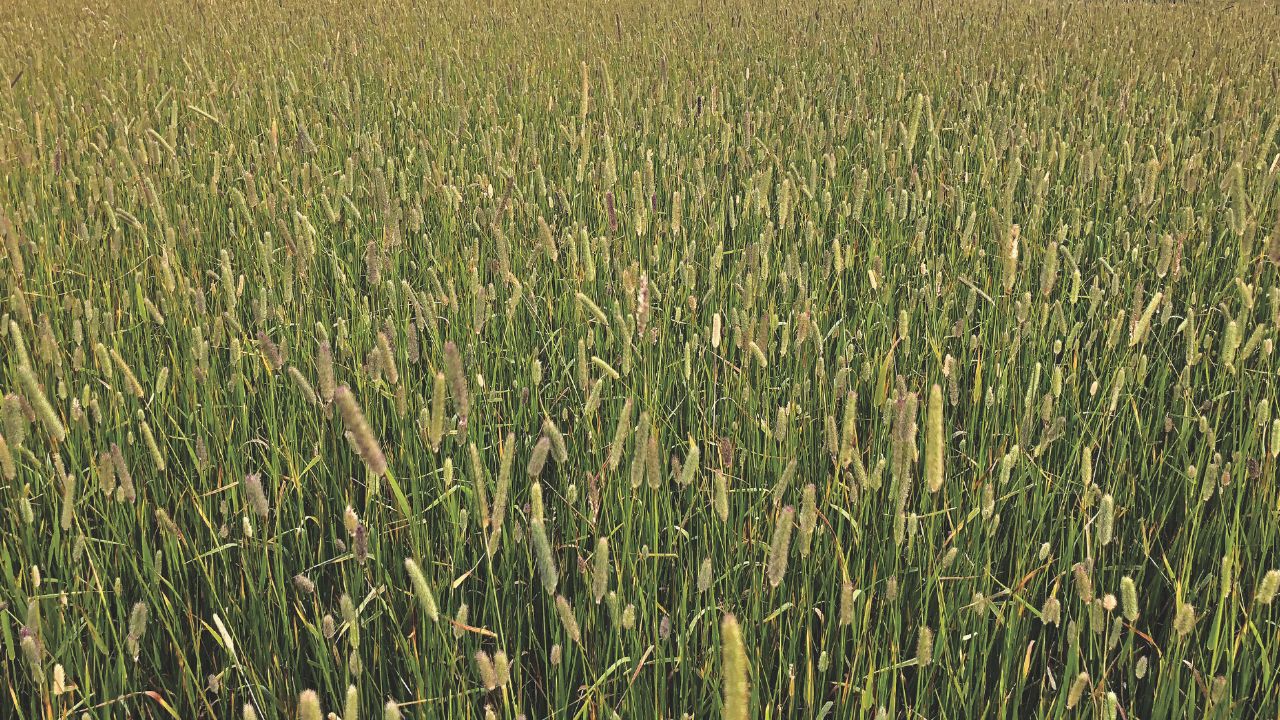
Grass crops, which are shallow-rooting, struggled the most with the dry conditions, whereas deeper-rooting legume forages, such as lucerne and sainfoin, fared better.
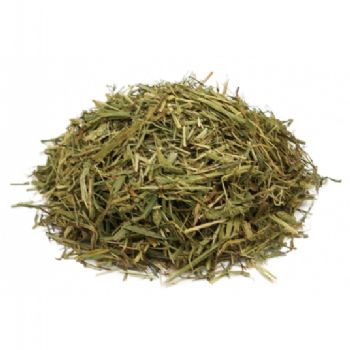
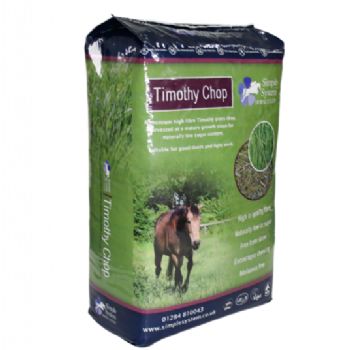
In Timothy grass specifically, we have seen excellent levels of protein and fibre, but higher sugar levels than we would normally expect. As such, we have revised our specifications.
The last drought in 2022 resulted in lower protein levels. It was during that year that we learnt not to wait for rain that would never come but instead to harvest at the optimum time, regardless of yield. The pleasing protein and fibre levels in 2025 are a result of this lesson.
The levels stated for all our feeds are naturally occurring. In the case of sugar, this is plant-based sugar that is slowly released during digestion. This contrasts with quickly absorbed refined or added sugars, such as molasses. You can learn more here.
Full specification ranges for the remainder of this season's crop can be found on the individual product pages on our website. Quick links for those that have been updated can be found below:
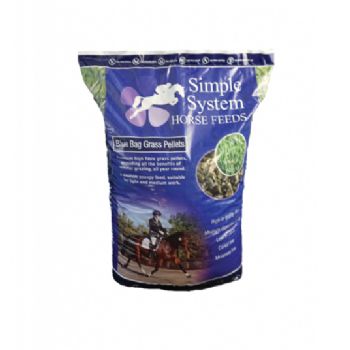
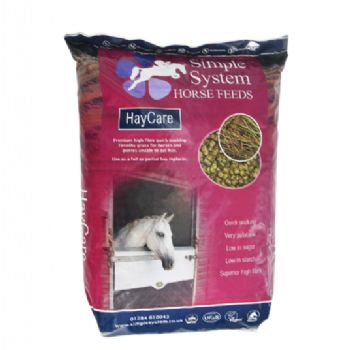
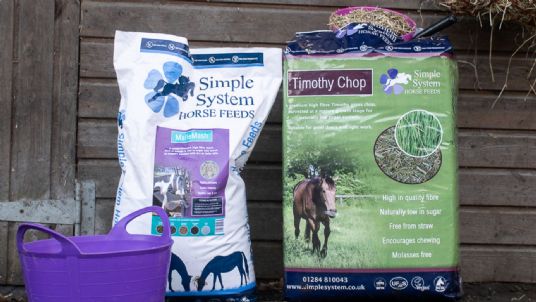
• Blue Bag Grass Pellets • HayCare • Timothy Chop
If you'd like to discuss your horse's Feed Plan or have a question, our Feed Line will be happy to help. Please contact us on 01728 604 008 or by email at info@simplesystem.co.uk.
We continue to work with nature in providing horses with the very best possible diet for health and performance.