Many yards make adjustments to their daily routines when the clocks change at the end of October, when those wintery nights really start to draw in. It is important for the horse's digestive health and their mental well-being that any changes are made gradually - over the course of a week or more.
This applies to management routines as well as to feeding ones!
Making gradual changes allows the hindgut microbes to adapt accordingly, reducing the risk of an imbalance - and with it behavioural and digestive upset - which can lead to issues such as colic.
Some of the changes that can impact horses at this time of year can include:
- Reduced pasture turnout either by restricting access to fields and using dry lots, or as a consequence of later turning out and earlier bringing in times.
- Moving horses to a field that has been rested over the summer.
- Changes to hay / haylage rations, both in the stable and when turned out.
- Adjustments to bucket feeds which can include the time they are offered, the overall feed volume and even the feeds or supplements themselves.
If you require advice to help support your horse during a period of change, you can call the Simple System Feed Line on 01728 604 008 or email info@simplesystem.co.uk
Our advice is free and the nutrition team will consider the whole diet, not just what goes into the feed bowl. They are also experienced horse owners who can offer sensible management suggestions - which can be just as important.
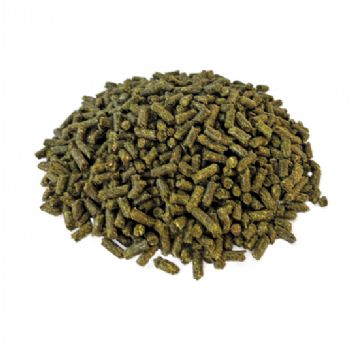
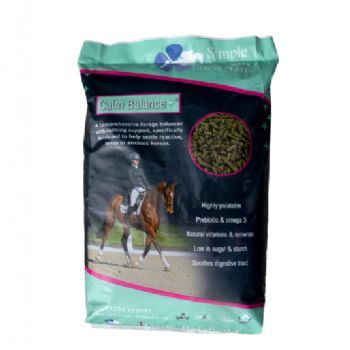
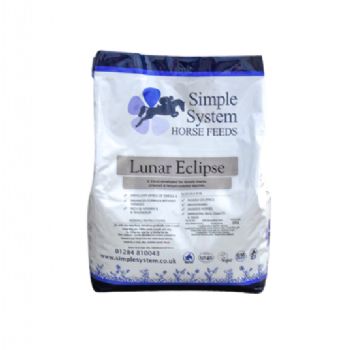
If you know your horse is particularly sensitive to change, you may wish to pre-empt a routine adjustment. Consider adding Lunar Eclipse to the diet, or you may wish to switch your horse's existing balancer to Calm Balance +. Both are designed to support anxious, stressed or reactive horses and can be utilised year-round, or during times of greater need.