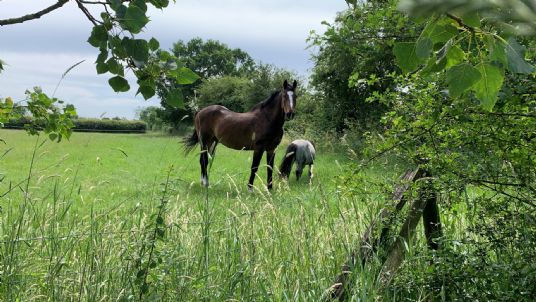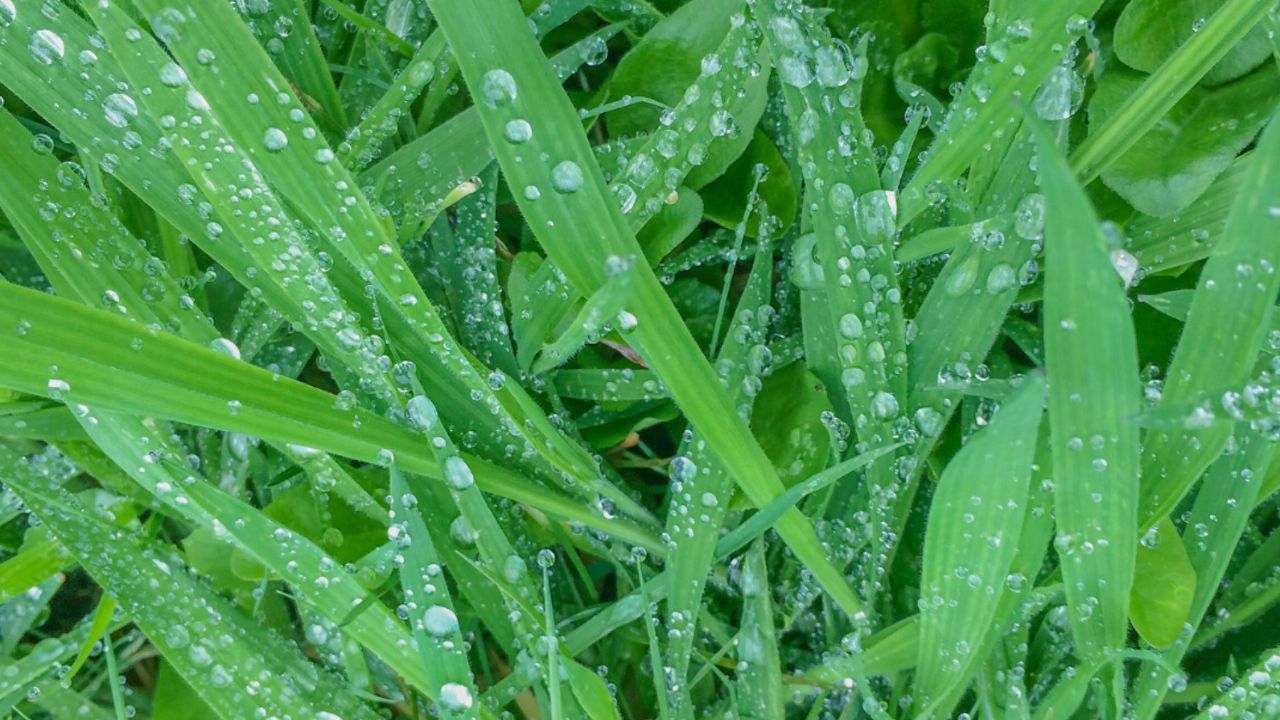
During March, there’s a real sense that spring is on its way. The days are lengthening, the temperature is warming, and with plenty of soil moisture this year, growth is already well underway — often earlier than many of us might expect.
While that’s welcome news in a year where hay supplies have been tight, it does come with a note of caution. For horses prone to metabolic challenges, including Cushing’s disease, Equine Metabolic Syndrome and insulin dysregulation, this early flush of grass can increase the risk of rapid weight gain and laminitis.
An increase in grazing — whether from longer turnout hours or a seasonal flush of grass growth — should always be regarded as a dietary change. And like any dietary change, it should be introduced gradually.
Spring and periods of rapid growth can significantly alter the nutrient profile of pasture. Here are some practical strategies to help manage the transition:
1. The Golden Rule: Introduce Grazing Gradually.
Rapid changes in an equine's diet are a primary cause of hindgut acidosis, dysbiosis and colic — and in the case of fresh grass, laminitis.
- Make Steady Adjustments: Slowly extend the length of turnout time or slightly increase the size of the grazing area. Choose whichever option is most manageable for you and your horse. Making small, steady adjustments allows the digestive system — particularly the hindgut microbes and metabolic rate — time to adapt.
2. Continue to offer forage.
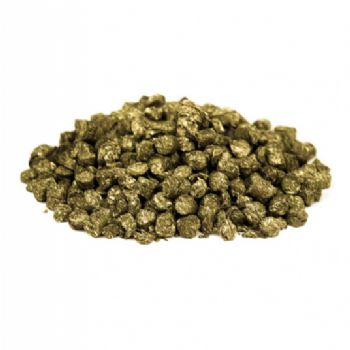
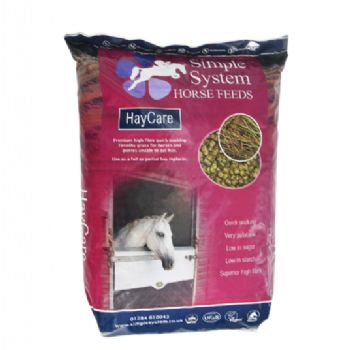
It may seem counterintuitive to offer hay when the field is green, but keeping hay or a soaked forage alternative, such as Simple System's HayCare available, is vital.
Here's why:
- Encourages browsing: Horses will often alternate between grass and hay, which slows down their total grass intake.
- Supports digestion and the gut microbes: For horses who have had a predominantly hay based diet during the winter, continuing to offer hay (or a hay alternative), allows for a gradual changeover. This in turn supports the gut microbes.
3. Consider the paddock layout.
If you divide your fields, consider creating longer strips or a track system rather than small square sections.
This approach:
- Encourages natural movement, which supports metabolic health and digestive motility.
- Promotes browsing.
4. The Welfare Benefits of Grazing Muzzles.
If you have concerns about your horse's weight, perhaps they are a laminitis risk, using a grazing muzzle can be a more welfare-concscious choice. Especially so vs. leaving them in the stable whilst their companions are turned out.
- The Benefit: Turning out with a grazing muzzle allows for social interaction and movement while moderating intake.
- Some important considerations: Grazing muzzles should be used for the duration of turnout as research shows that removal for some of the time can actually increase grass intake. It is also important to ensure the grass is long enough to poke through the muzzle holes; if it's too short, the horse won't be able to eat, leading to frustration and significantly increasing the risk of gastric ulcers and colic.
5. Extra support for higher risk horses.
For horses with:
- Fat pads
- Cresty necks
- A history of, or predisposition for, laminitis
- Known metabolic issue
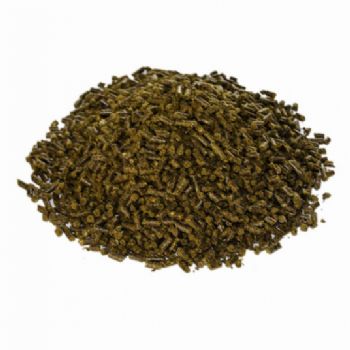
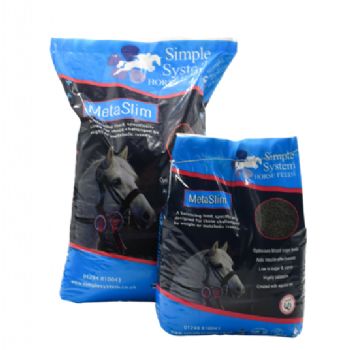
Consider feeding MetaSlim; A balancing feed, specifically designed for those challenged by weight or metabolic issues.
If you'd like to discuss your horse's diet, the Simple System Feed Line nutritionists offer free Feed Plans.
Contact the Feed Line on 01728 604 008 from 9am to 5pm, Monday to Friday. Alternatively, complete an online advice request here.