What do we mean by the term ‘equine microbiome’? Our horse’s digestive tract is home to a vast ecosystem made up of trillions of microorganisms; bacteria, fungi, viruses, archaea and protozoa which we collectively refer to as the microbiome. These organisms exist throughout the entire digestive tract but as it is the main site of fibre digestion, when we talk about the equine microbiome we would almost always be referring to the hindgut microbiome specifically.
In the hindgut, ‘good’ bacteria ferment and break down fibre into volatile fatty acids - a major energy source for horses, supporting their daily functional requirements but also their work or use as breeding stock. The organisms present also break down feed and forage into other vital nutrients, producing the horse’s B-group Vitamins and Vitamin K.
In addition to digestion, the microbiome plays a major role in immune response and can impact metabolism, cognitive function and even behaviour. An imbalanced microbiome can impact our horses not only digestively but also their health and behaviour.
What do we mean when we say the hindgut is imbalanced? An abundance of ‘good’ bacteria essentially reduces the space available for ‘bad’ bacteria to develop, helping keep out infection and disease. The hindgut is considered imbalanced when there are too few good gut bugs left to function effectively, which might present in various ways over time or, when bad bacteria have rapidly proliferated, often causing more acute issues. The bad bacteria associated with IBS, Crohn’s disease and other bowel disorders in humans, are the same bad bacteria we see in imbalanced equine microbiomes - although the good gut bugs are quite different.
What does a healthy microbiome look like? Each horse’s microbiome is as unique as a fingerprint. Whilst there is a small group of core bacteria found in every horse, the exact population breakdown can vary significantly.
This makes it almost impossible to say what the perfect microbiome looks like in terms of species numbers and research into this is still in its infancy. The wide variation, even between horses, may explain why some horses are more prone to colic, illness or metabolic issues - though we can’t say for certain just yet.
A healthy equine microbiome in general is one that is diverse and populated with a wide range of predominantly good bacteria. Horses with hindgut issues don’t have fewer microorganisms, they just don’t have enough of the right sort. With advancing age, there is a trend towards reduced diversity, but there is not a loss in numerical terms.
How can we support the hindgut microbiome? The microbiome develops in response to diet with organisms developing on an “as required’’ basis depending on what the horse is fed. The specificity of each organism and what they break down and digest, means that introducing new feeds too quickly, when the right organisms to break it down aren’t yet established, can have a negative impact on the ecosystem as a whole.
Previously fed feed or forage should also be reduced slowly to help phase out the microorganisms that are no longer required, or, required to a lesser extent. Having too many or too few of the necessary organisms for digestion causes these imbalances and potential health issues. In the case of rapid feed or management changes, this can result in colic.
Feeding the horse “as nature intended” on a high, or better still, a solely forage diet, encourages more of the good bacteria to develop. Feeding a wider variety of forages further increases species richness in the hindgut which is linked to overall health and strength of the microbiome. This has direct efect on improving the health of the animal. In contrast, minimal forage intake with a high intake of cereal grains would not promote good species richness and would favour the bad acid producing bacteria.
Grazing and hay is often made up of a limited number of grass species, especially in areas that are overgrazed and where over time, weaker, native species have been outcompeted. For those lucky enough to have their own land it may be worth re-seeding or overseeding with a diverse meadow grass mix, or trying to source a forage that contains multiple grass types – ryegrass free of course.
Access to hedgerows or verges should be encouraged (where safe and in the absence of poisonous plants) as leafy, stemmy and fibrous or more woody plants are highly beneficial for hindgut health.
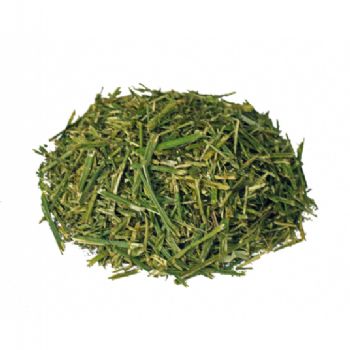
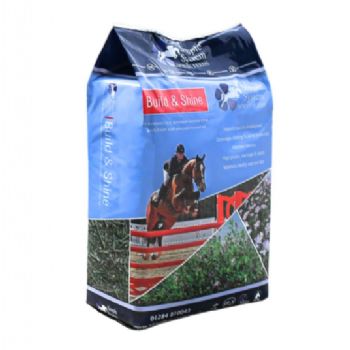
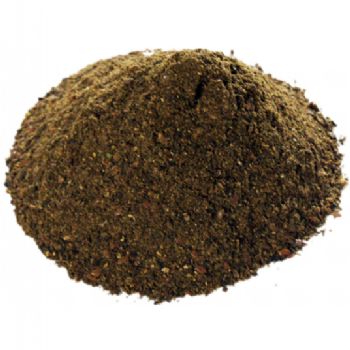
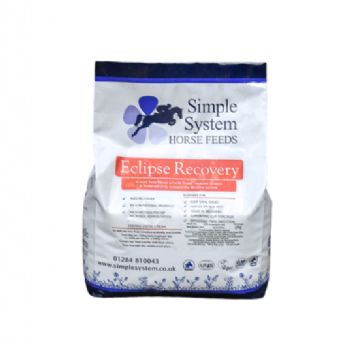
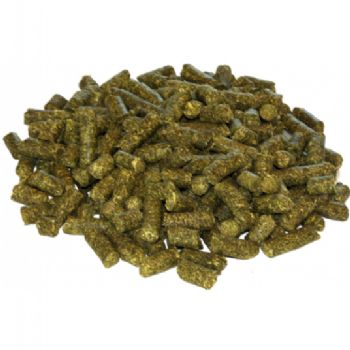
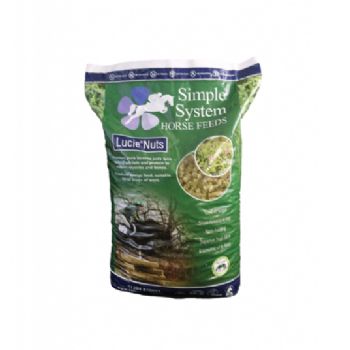
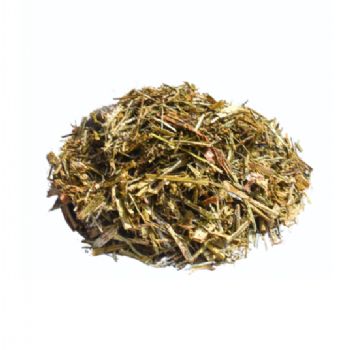
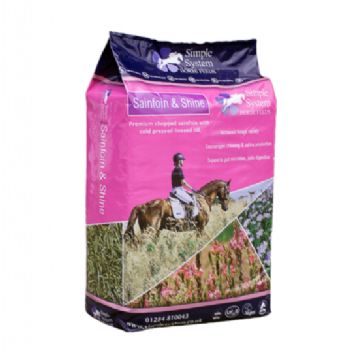
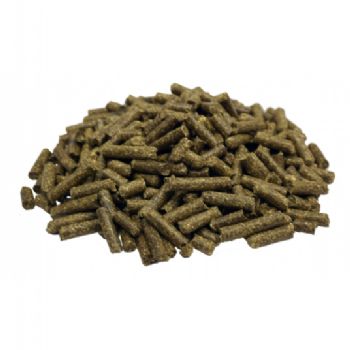
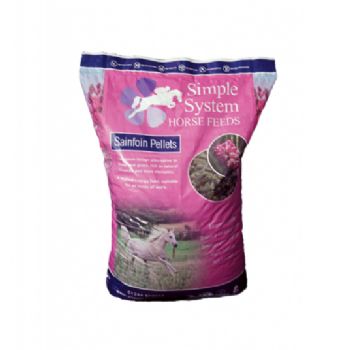
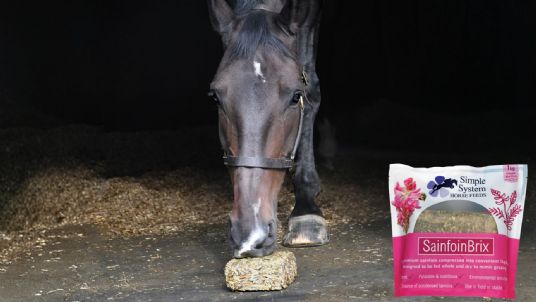
In the feed bowl, choose different forage types for their chop and their pellet and offer forage types other than grass, such as sainfoin or lucerne. This helps increase diversity in the diet and in turn, the microbiome. Eclipse Recovery can also be a great addition to the diet. As the name suggests, it was created to support the immune system and recovery. This natural tonic is based on wildflower forages and is high in the metabolites of microbial fermentation.
Is it just feed that impacts the microbiome? No - whilst feed plays a major role, housing, medication, environment and stress all have the potential to impact the microbiome. The microbiome is also in part determined by genetics and can even be affected by birthing method. The issues we see in adult life may have been impacted by complications during foaling or, more likely, early weaning. Leaving their dam before the hindgut microbiome is well established, which in some cases can take 9 months or more, may be detrimental to digestive function, immune strength and even behaviour, in years to come.
A take home message… In these still relatively early years of research and knowledge development a lot of what we know is assumed or extrapolated from small studies, even sometimes conducted on other species. What we are becoming more and more aware of though is that hindgut health can directly impact our horse’s health and that feeding a varied forage diet is a great start point in strengthening and supporting this vital ecosystem.
Looking for advice about choosing the right feeds for your horse? Contact the Simple System Feed Line on 01728 604 008, or complete the online advice request form here for a free Feed Plan.