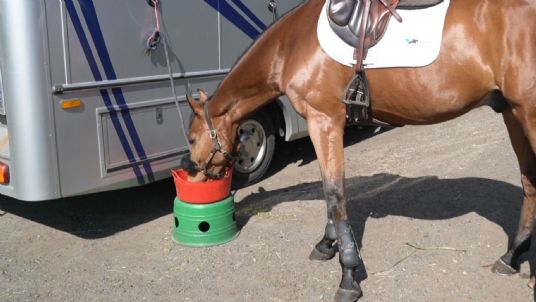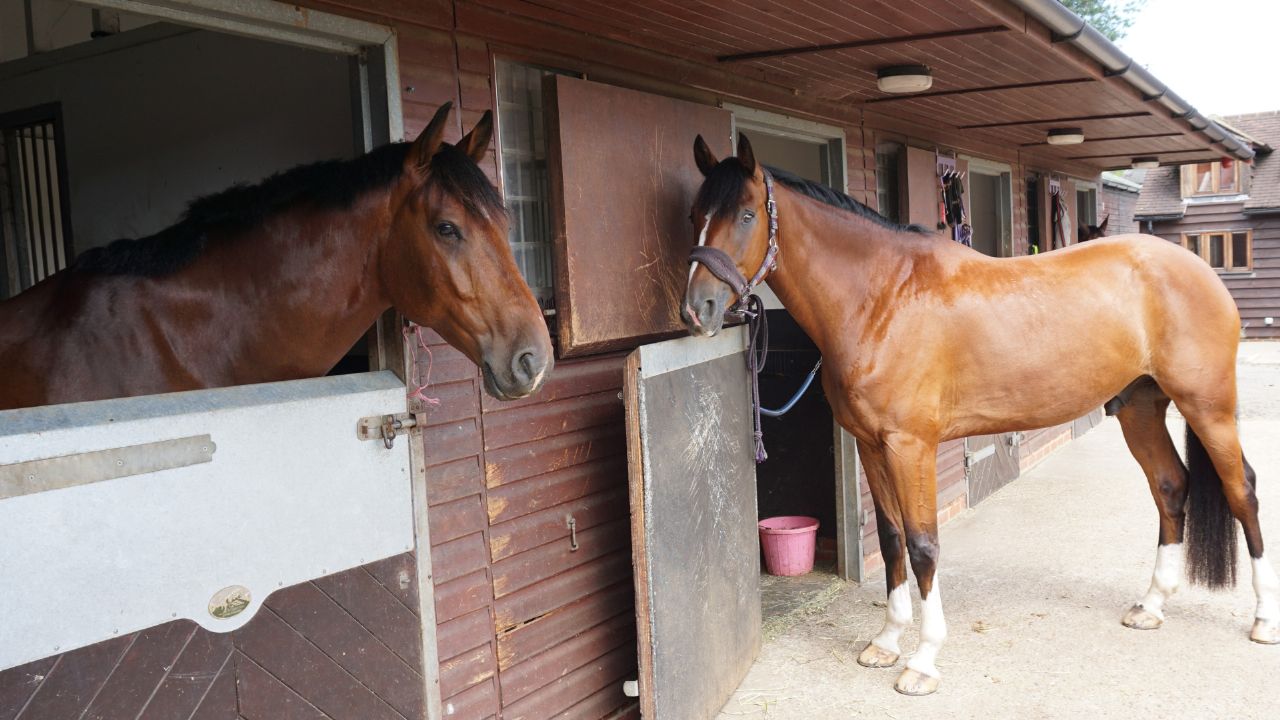
''Please hold their breakfast - I'll be riding this morning''
Have you ever sent a message like this? If so, you're not alone. It is commonplace for many yards to see variations of this message daily due to the traditional rule of feeding horses, which advises avoiding exercise for an hour after feeding.
With Simple System feeds this rule does not apply. Here's why...
What this rule historically failed to mention is that it only applies when using starchy, cereal-based feeds and that because all Simple System feeds are forage-based - entirely free from cereals and their by-products - they can be fed both immediately before and after exercise.
Horses have a limited ability to digest starch, so cereal-based, starchy feeds can only be given in small quantities. The energy from starch is quickly released - and used up. Cereals need to be completely digested in the stomach and foregut before they pass to the hindgut because the rapid digestion of starch increases acid levels.
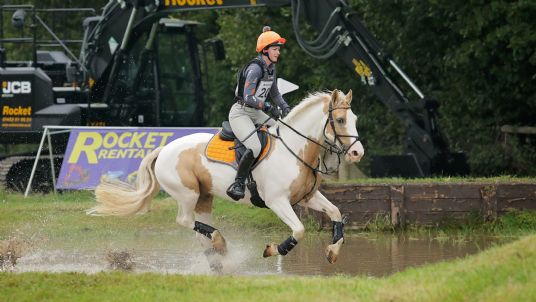
The exercising horse is already at an increased risk of acid splash, so before exercise we want to help buffer the acid in the stomach - not create a more acidic environment. We also want them to have enough slow-release energy in reserve to perform at their best throughout a ride or competition.
When feeding forages there is no limit to individual meal size, as forages are digested in the hindgut via microbial fermentation. The hindgut has a vast capacity and a slower method of action. This means horses can be fed generously with forage to supply a resivoir of ''fuel'' that can be drawn upon during longer periods of exercise, but importantly, physically having fibre in the stomach - along with the natural acid-buffering properties of some higher calcium legume forages - is likely to have a protective effect against acid splash during exercise.
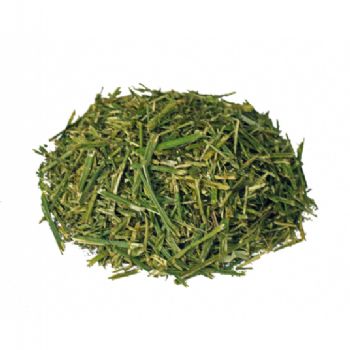
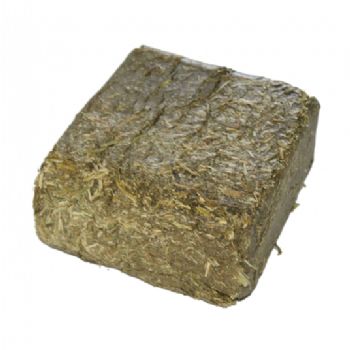
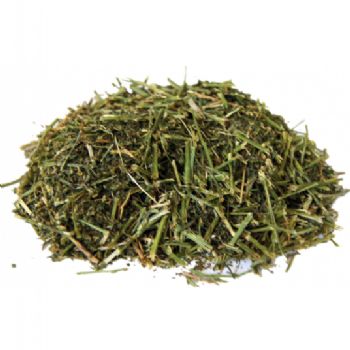
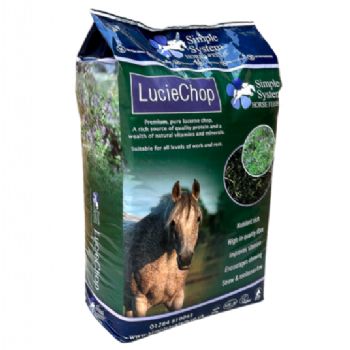
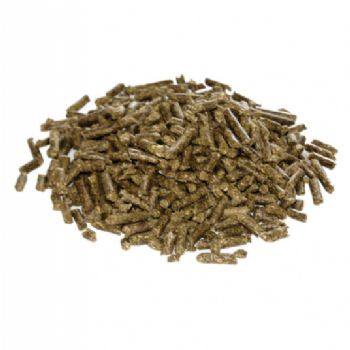
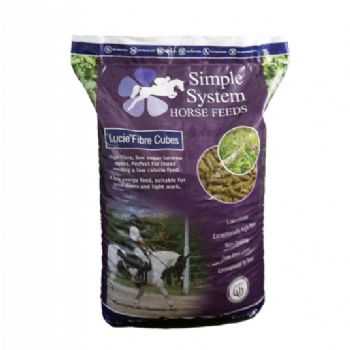
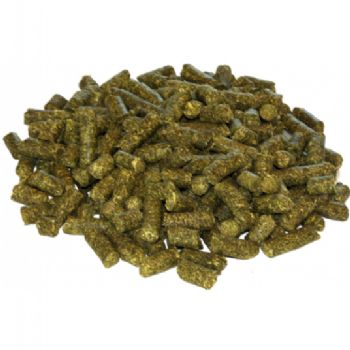
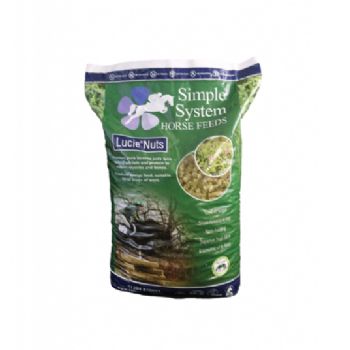
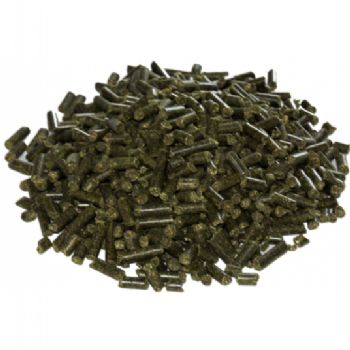
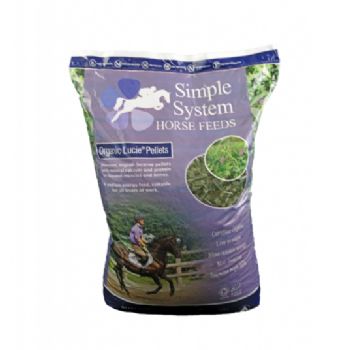
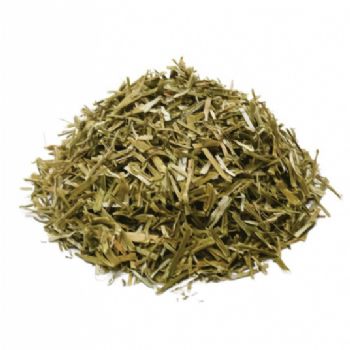
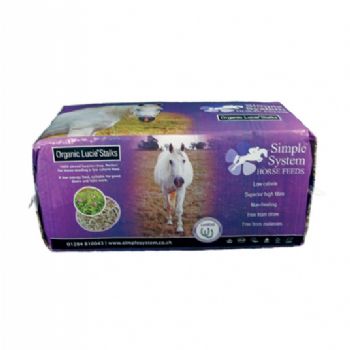
Lucerne, also known as alfalfa, is typically suggested due to its good calcium levels and its reliably low starch levels. N.B. Some of Simple System's lucerne feeds are featured at the bottom of this page.
Some things to consider...
- You probably wouldn't think twice about feeding hay or grass before exercise. Feeding forage feeds beforehand can be done in the same worry-free way.
- Not only is a forage-based diet species-appropriate for horses, it can also be a more convenient way of feeding for us humans. There's no need to wait to saddle up after a meal.
- Simple System's feeds can be Target Fed immediately before work. This can fuel for the work that is about to be done, by giving either larger or more calorie dense meals. Using soaked feeds for this, as oppose to just a chopped forage, aids hydration.
If you'd like feeding advice to support your horse's dietary needs, contact the Feed Line on 01728 604 008, or fill out our online advice request form here, for a free Feed Plan.