February is probably the most testing month for our horses! The days are noticeably longer, on mild days the grass is growing and must smell delicious with promises of spring so near, but yet, it’s still winter and not yet ready to relinquish its chilly grip. Horses can be tetchy, itchy as their coats are starting change and restless with the extra daylight. How can we help them?
- Make the most of any fine or dry days to turn out for a bit longer, ideally without a rug.
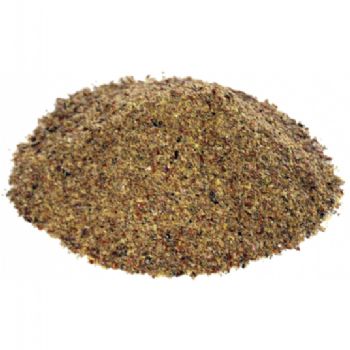
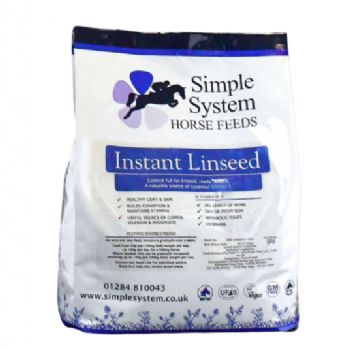
- Consider adding Instant Linseed to help with itchy, moulting coats. Linseed has the perfect balance of omega oils to help soothe itchy skin and ensure the new coat comes through glossy and smooth. For an average 500kg horse add 125g per day to their existing feed.
- Take advantage of finer spells to take your horse out with friends for a hack, maybe even boxing up to somewhere more interesting to ride than the usual home beat.
- Put the different ingredients of your horse’s feed in different feed bowls in different places in the stable so there is some choice.
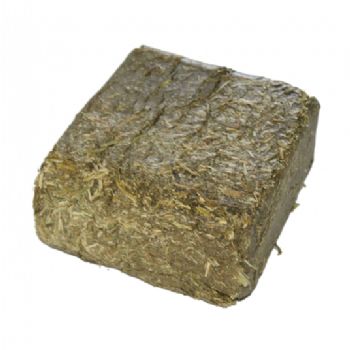
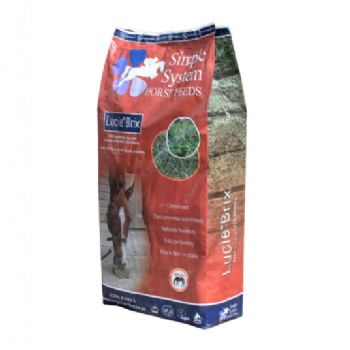
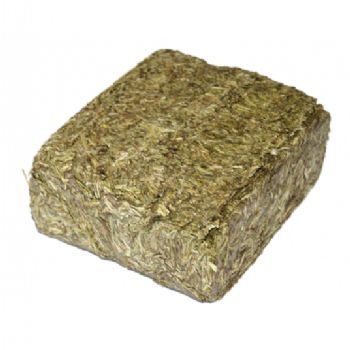
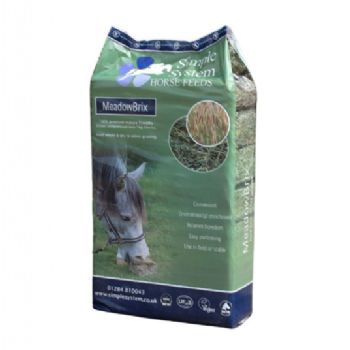
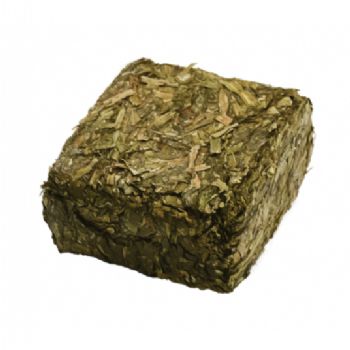
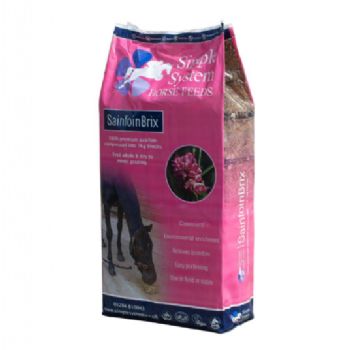
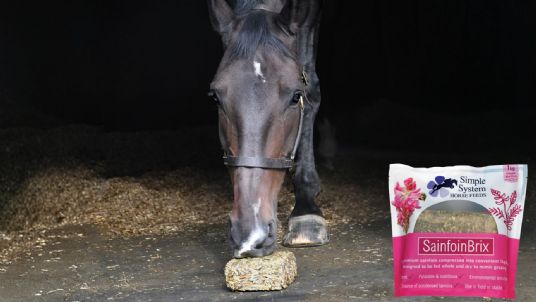
Simple System forage Brix are perfect for adding some enrichment and variety. Have you tried our Sainfoin Brix yet? And of course, our ever-popular MeadowBrix and Lucie Brix. Just pop them on the floor for your horse to gnaw on – but only if they have good teeth for chewing.
Bear in mind that horses are grazers, most of their natural diet being at ground level, so feed as much as possible from low levels. Haynets, if used, need to be safe, but not so high as to cause the horse to crick his neck.
Bear with it! Spring won’t be long now.