Mature horses in good health and body condition need around 8-10% protein in their overall diet. Young growing horses in-foal or lactating broodmares and those in hard work such as in racing, may need 12-16%. Horses needing to build muscle also need higher than maintenance levels. Good hay usually meets the minimum requirement, but late-made hay and long-soaked hay can fall short.
As protein is the most important nutrient of all, it is critical that the horse's diet supplies the correct amount. Every cell in the body is made from protein. Horses' requirement for protein varies depending on their age, reproductive status, work and condition.
Meeting the 8-10% protein needs of adult horses is usually not a problem. Most UK grown hay comes in at around that figure, however late made hay, cut after the grass has headed and gone to seed can be considerably below that. Soaking hay can also reduce protein levels, not just sugat, which is one of the reasons Simple System's Nutritionists recommend soaking for no more than an hour.
If horses are on a restricted diet to lose weight but protein intake is also restircted, their health will be compromised. If the diet is not delivering the necessary protein, then the horse will have to draw on its own reserves, mainly its muscles. The visual effect of this is that when a fat horse loses weight, it looks very lean and out of sorts because not only has the fat been lost, but muscle bulk has also been lost. Low protein intake can also impact hoof quality and general health as cellular repair and recovery may be slower.
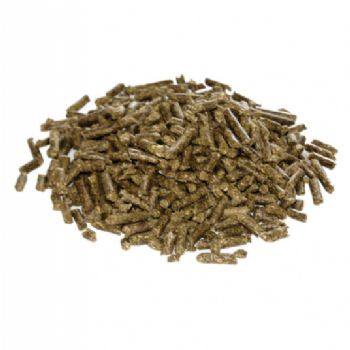
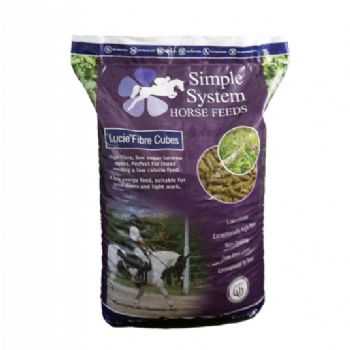
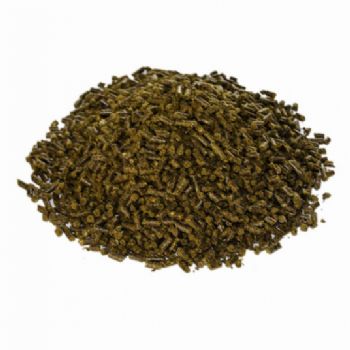
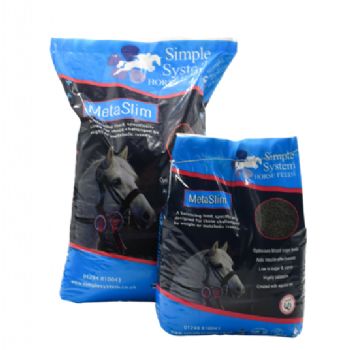
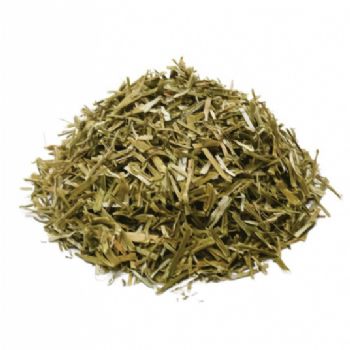
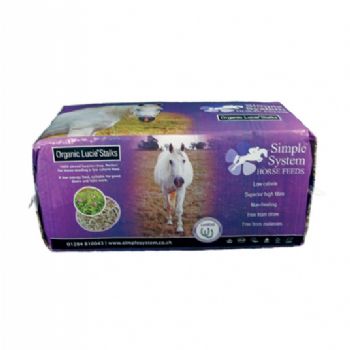
To ensure 'dieting' horses can meet their protein requirements you can look to our popular combination of Lucie Fibre Cubes, Organic Lucie Stalks and MetaSlim.
Growth demands extra protein and also extra calcium for bone development. Young horses may need 12 - 16% protein in their diet as will mares feeding a foal and mature horses looking to build muscle and topline.
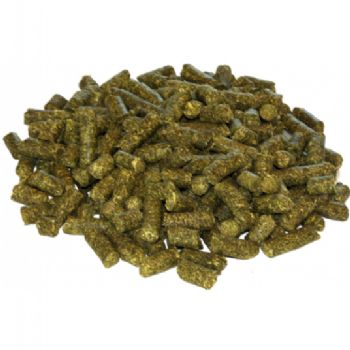
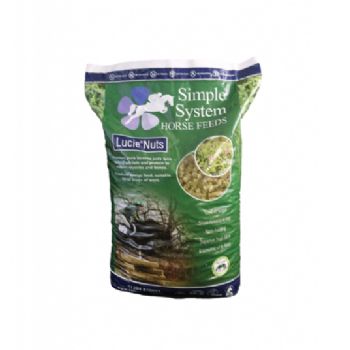
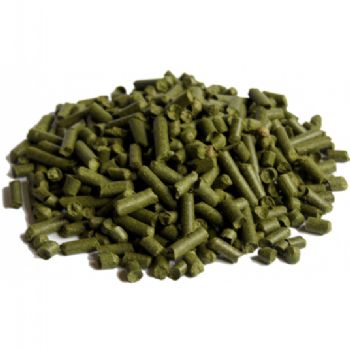
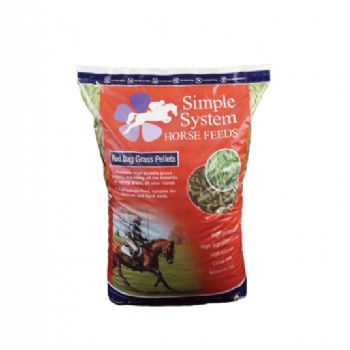
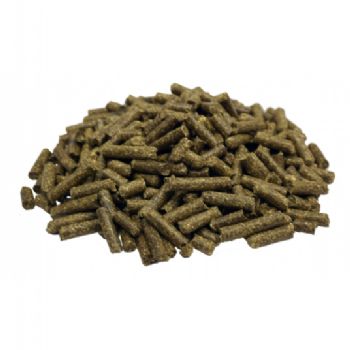
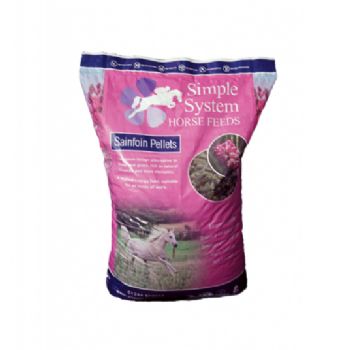
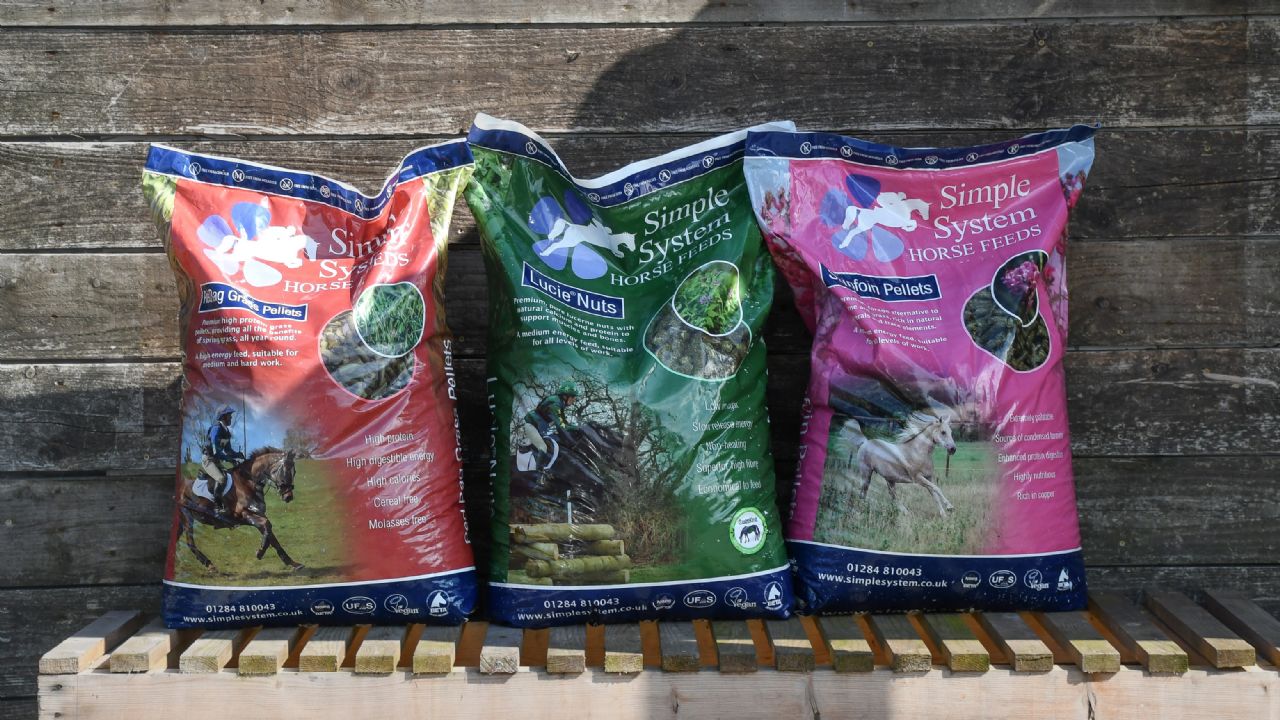
Lucie Nuts are often an ideal choice with a specification range of 14-20% protein and calcium to support muscles and bones. Red Bag Grass Pellets and Sainfoin Pellets are also useful alternatives for increasing protein intake.
It's not just the horse that needs protein. The gut microbes need it, too. Fortunately, the protein in forage, unlike that in cereal grains, is not all digested in the small intestine. Around half remains into the large intestine, supporting and nourishing the amazing gut microbiome.
We should not shy away from protein. The protein levels in feed should always displayed somewhere on the bag, sometimes abbreviated to CP for Crude Protein.
If you need any help with your horse's diet, the Feed Line nutrition team at Simple System is always happy to make appropriate suggestions. Contact the Feed Line on 01728 604 008 or complete our online form.