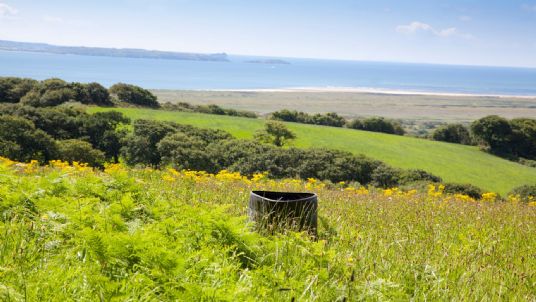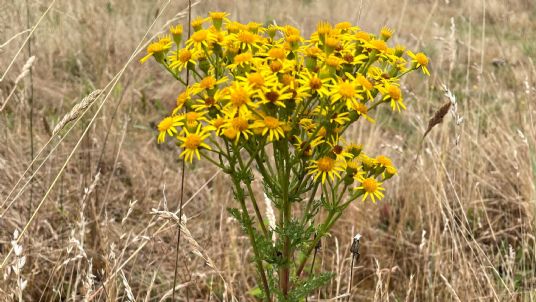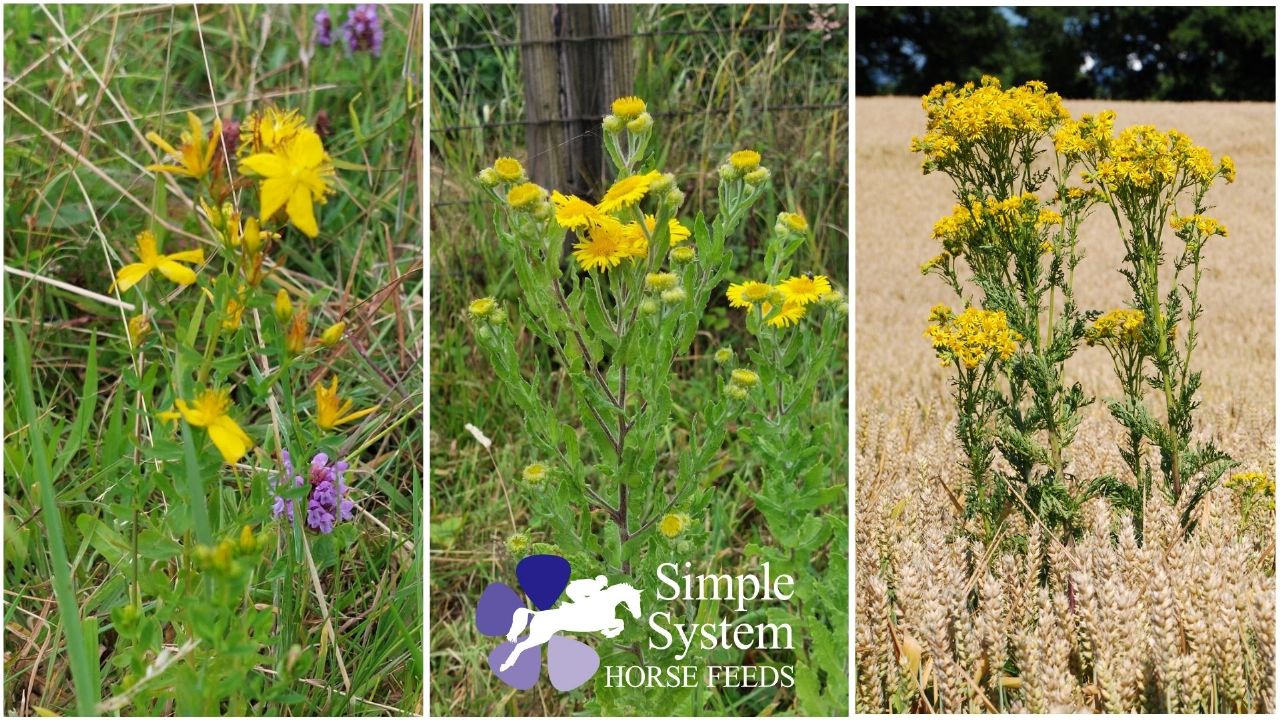
The majority of horse owners are aware of what ragwort looks like, along with the dangers it presents for our horses. So much so we spend a good amount of time and effort digging it up from our paddocks before it sets to seed. But what about plants that look a bit like ragwort?
Here are two similar plants...
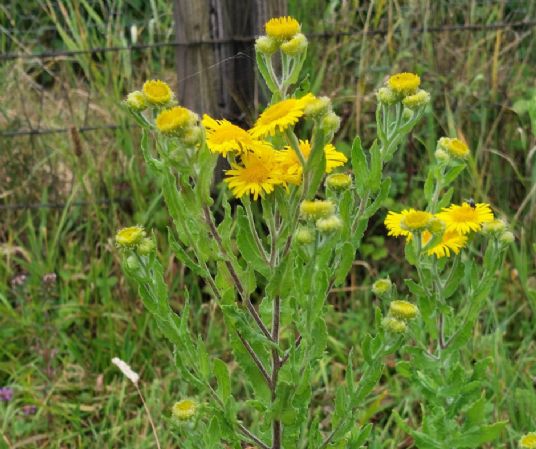
Fleabane has similar flowers, but different leaves to those of ragwort. Most horses will avoid eating fleabane, and whilst this plant does not have the same devastating effects as ragwort, it can sometimes cause skin irritation and gastrointestinal discomfort in horses.
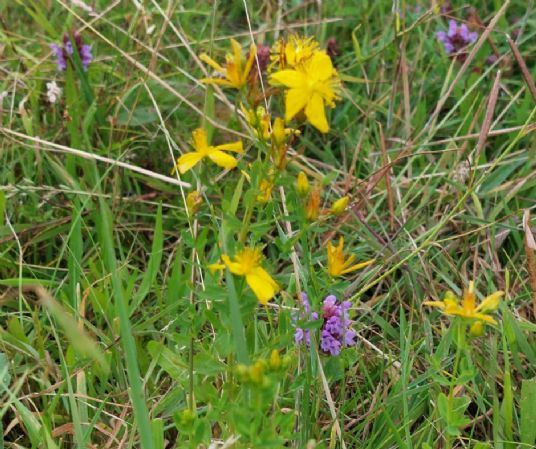
St John's Wort is a plant that we come across in herbal medicine for humans. It has yellow flowers and is similar in size to ragwort but is easy to identify as 'not ragwort' as the flowers are rather different in shape. St John's Wort is believed to have various health benefits for horses, but has also been linked to photosensitivity.
For management suggestions and tailored feeding advice, please contact the Feed Line on 01728 604 008.