Horses are prone to colic, especially those that are stabled.
Why is this? One in 10 horses kept under reasonable conditions, stabled some or a lot of the time, will get colic each year. However, this is not inevitable. In the last 30 years, I have averaged over 10 horses each year, but not one single colic.
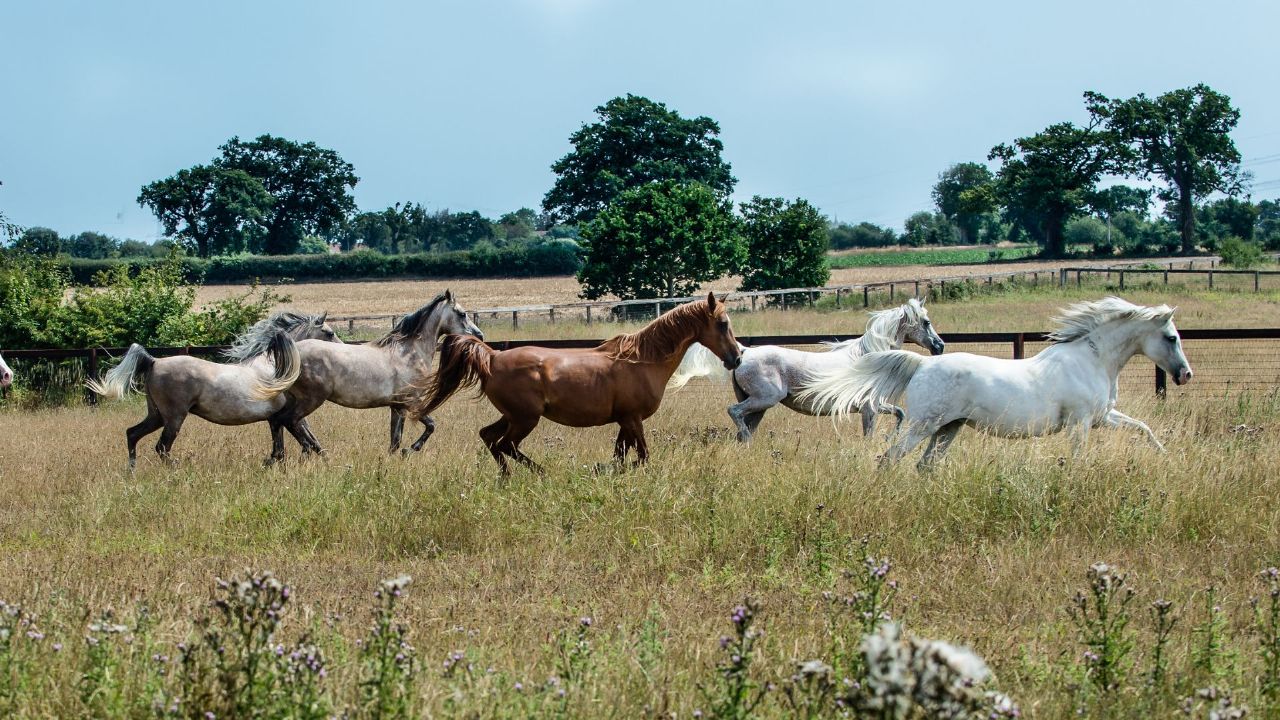
The difference? My horses live out on extensive, but managed, pasture.
Horses colic not because they are “poorly designed” but because their management does not fully meet their needs. As a herd living, plains dwelling, obligate herbivore they are supremely well adapted to their lifestyle and environment. Grazing is undertaken at a slow walk and this continuous, gentle movement aids the flow of food through the gut. A stabled horse is likely to be stationary for long periods, and so is not getting the same level of stimulation to the digestive tract. They are also burning fewer calories and so may have their rations restricted to avoid weight gain. Even humans on a restricted diet and no exercise will become constipated.
For many, stabling is seen as a necessity at times, so how can we help reduce the risks of a colic episode for a stabled horse?
-
- Make ANY changes gradually be that their feed, forage (hay/haylage) or routine. This ensures their digestive system can adapt to the new feed ingredients, different blend of grass types, more/less physical movement or a diet with an overall higher or lower dry matter intake.
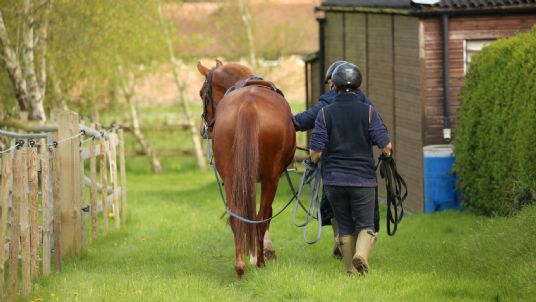
- Promote movement as much as possible via daily turnout, exercise and getting stabled horses out for frequent walks in hand or on the long lines.
- Spread forage or feed out in smaller piles, or buckets, in the stable. This encourages foraging behaviour and helps prevent them standing still in one place for too long.
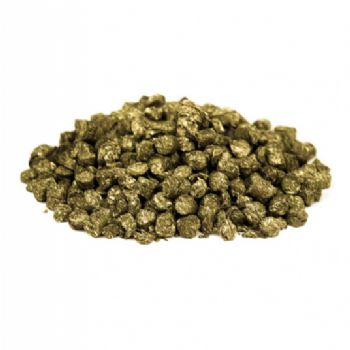
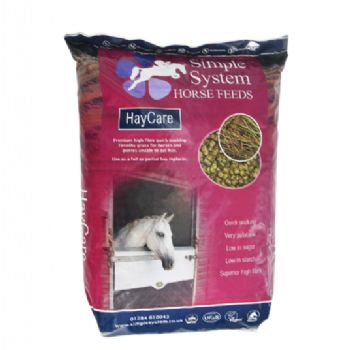
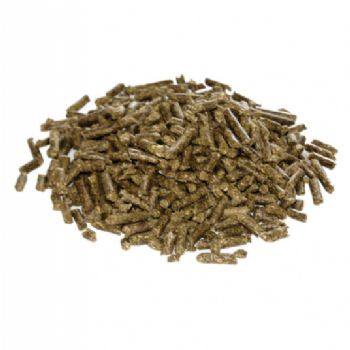
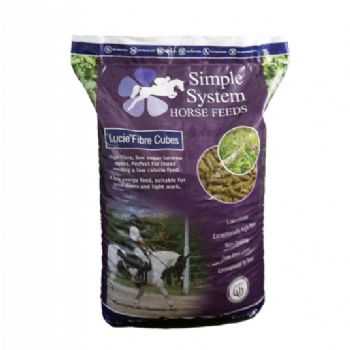
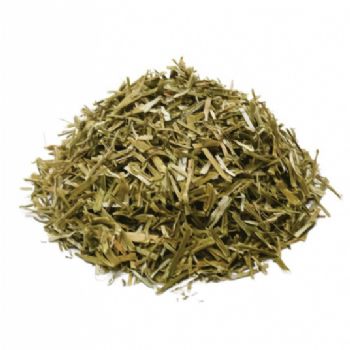
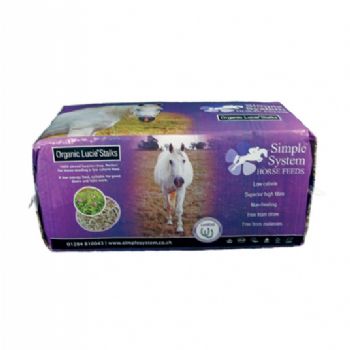
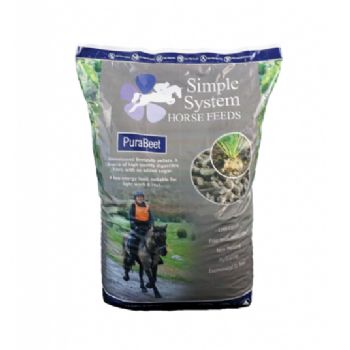
- Feed plenty of forage to keep their digestive system working effectively. Even good doers need plenty to eat. If your hay / haylage is higher in calorie than they require, consider replacing some of their ration with lower calorie options. Leaving a large bucket of dampened Organic Lucie Stalks is ideal for those with good dentition. For easier to chew soaked options, Lucie Fibre Cubes, PuraBeet and HayCare can be used low calorie hay replacements.
- During the winter, increase fluid intake by using warm water to take the chill out of very cold buckets and when turning out, always check field troughs for ice; breaking and removing this on frozen mornings.
- Don’t delay in calling the vet at the earliest signs of colic as the condition can progress very rapidly. If you are leaving your horse in the care of someone else for a holiday, make sure your vet and insurance company details are to hand as well as emergency transport contacts if they may need to go to hospital.
- Make a plan beforehand of what treatment you are happy for your horse to receive should the worst happen – are you happy for them to be hospitalised on a drip or even have surgery and make sure anyone taking care of your horse is made aware of this if you cannot be contacted.
We must never forget where horses came from and how they adapted; and we are obliged to do our best to meet their needs. They will reward us with a long, happy and healthy life, with less money spent on avoidable veterinary care. Never blame nature for poor design, but look to how we can improve our level of care.
Jane van Lennep, Director of Nutrition, Simple System Horse Feeds
If you require feeding advice, our Feed Line can be reached on 01728 604 008. You can also request a free, comprehensive Feed Plan by completing our online form.