It has to be said that if your horse has any form of respiratory issue, it is important to get your vet to make an accurate diagnosis and advice on treatment that will specifically help your horse. Not all respiratory issues are the same.
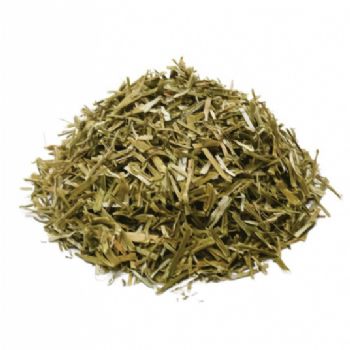
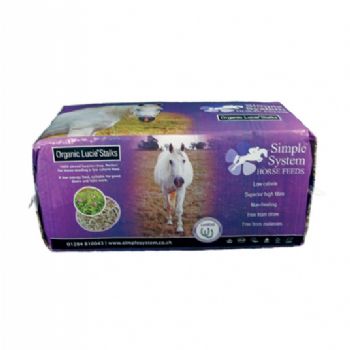
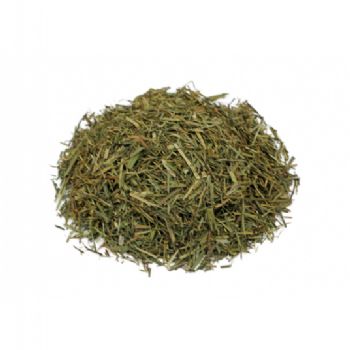
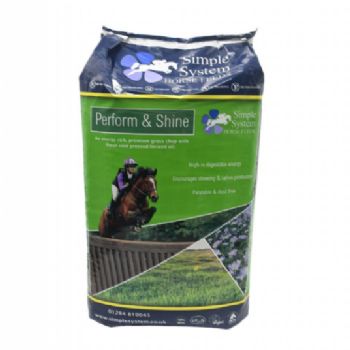
Management, including feeding, can be very helpful in giving your horse the best chance of a comfortable life. Whatever the root cause, it will be exacerbated by inhaling any small particles, such as dust or spores. If all the food offered is dampened, the small particles in it will no longer be airborne and so less likely to irritate the horse’s airways. Haylage needs no further treatment, being already damp, but hay should be soaked (but not for more than one hour, and fed promptly) or ideally, steamed, which helps to preserve its nutritional value. Soaked forage pellets are ideal in the feed bowl. Soak chop / chaff with the pellets to soften it and avoid any risk of irritation to the throat. You could go a step further by choosing a sieved chop such as Organic Lucie Stalks, which are ideal for very good doers, or for those with higher nutritional requirements, opt for Perform & Shine which has a light coating of cold pressed linseed oil.
Respiratory issues are often marked by coughing. Coughing can damage cells lining the respiratory tract, so they will need constant renewing. An essential component of cell membranes is omega 3, so by ensuring a horse has plenty of this vital oil, they have the best chance of maintaining a healthy respiratory tract. The best source of omega 3 for horses is linseed, no other plant oil having as good a balance of omega oils. Linseed is 40% oil, and of this, around half is essential omega 3.
Linseed comes in various forms. Cooked, ground linseed is easy to feed and very palatable and is included in many balancers in the Simple System range. Linseed oil may be very processed, so if using the oil, use it fresh and ensure it has been cold-pressed. Other oils my have been subject to heat, pressure or solvents to maximise yield. Avoid linseed expeller – this is what is left after the oil has been removed and has likely been heavily processed to extract as much of the oil as possible.
There is a wide range of herbs believed to aid respiratory health. Talk to a reputable herbalist to find the right herb for your horse as there is no one single solution for all cases.
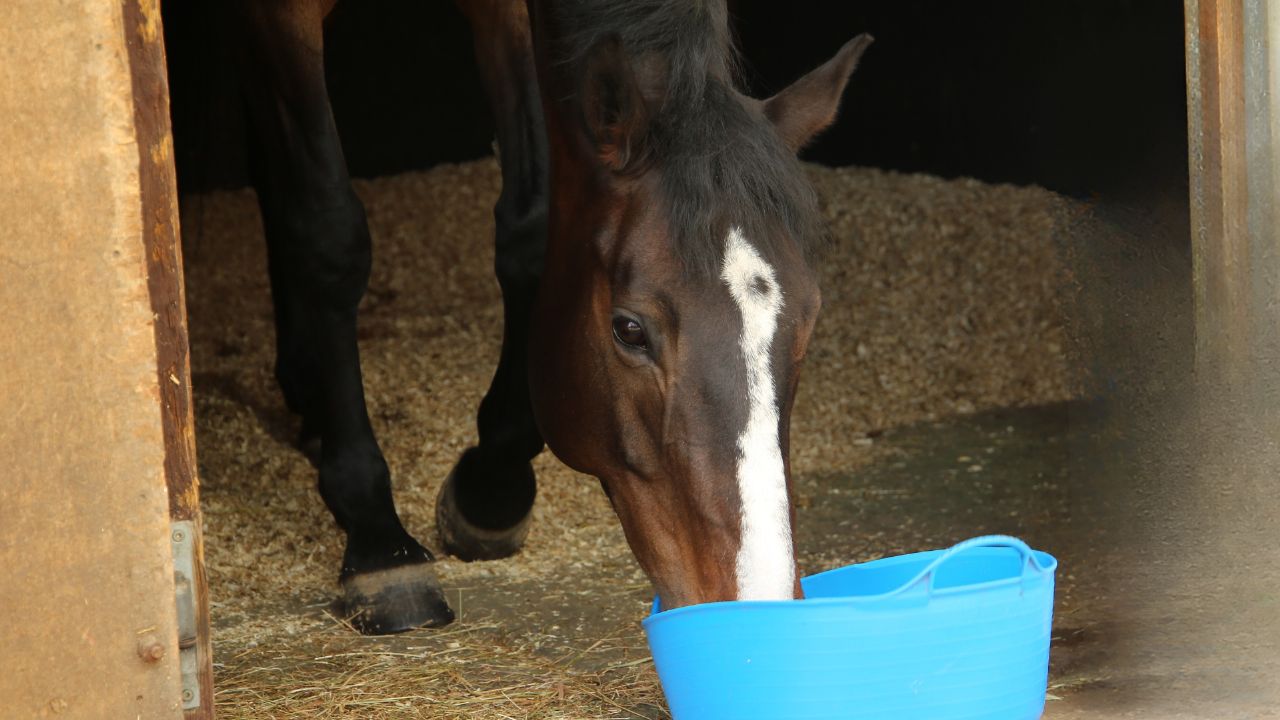
Feed everything from ground level to aid drainage of mucus from the lungs and trachea.
Maximise access to turn out. Fresh air is just that! For any time spent in the stable, ensure that the bedding used is as low dust as possible. Dust extracted shavings, straw pellets and miscanthus can all be good options. Ensure that the stable is well ventilated.
For feeding recommendations for your dust-sensitive horse, contact the Simple System Feed Line on 01728 604 008 or complete our online advice form here.