Hay and forage management is a key topic for horse owners, especially when supplies are limited. Proper handling and feeding of hay, haylage, and other forage can help maintain gut health, reduce stress, and support the horse's overall wellbeing.
Gradual Dietary Changes Are Essential
Any change in forage — whether switching between hay and haylage, introducing different cuts or suppliers, or adjusting grass turnout — should be introduced gradually over at least one week. Mixing old and new forage allows gut microbes to adapt and reduces the risk of digestive upset.
Practical Forage Tips
-
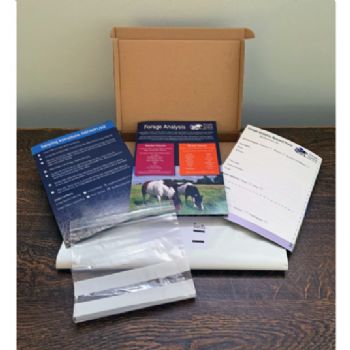
Hay analysis: Testing sugar levels can help determine soaking needs. Simple System Horse Feeds offer a hay analysis service and expert interpretation.
-
Soaking hay: Soak for less than one hour to maintain fibre, protein, and nutrients while minimising bacterial growth.
-
Avoid straw: Straw has low feed value and limited water content, making it unsuitable for horses prone to digestive issues.
-
For older horses or poor dentition: Soaked forage pellets such as HayCare, Blue Bag Grass Pellets, Lucie Fibre Cubes, or PuraBeet are ideal as part of a balanced diet.
-
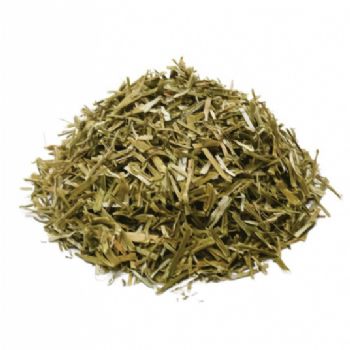
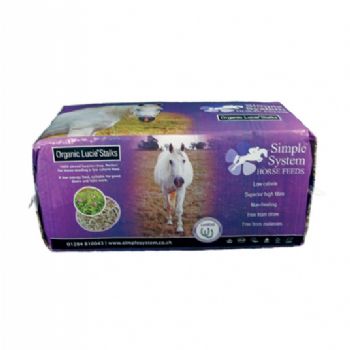
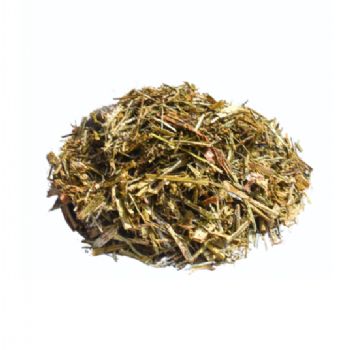
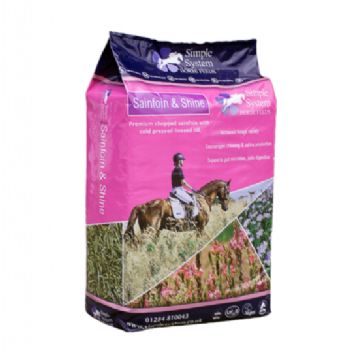
For horses with good teeth: Add texture with a chopped forage like Organic Lucie Stalks (very low calorie chop) or Sainfoin & Shine (medium energy chop) to prolong eating time.
-
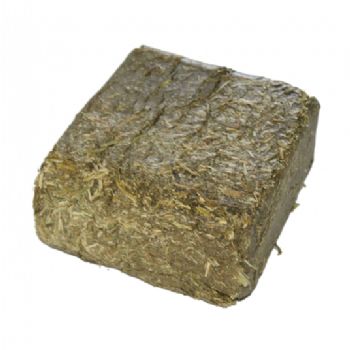
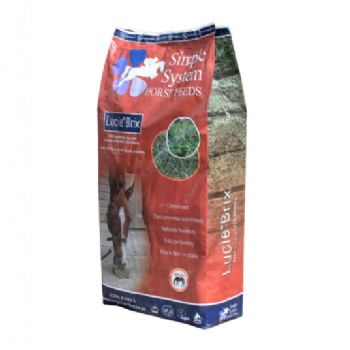
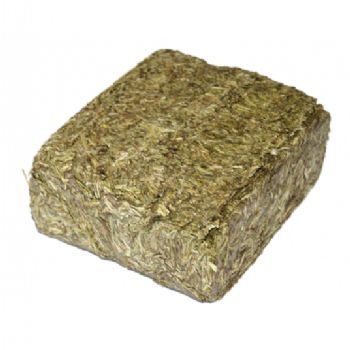
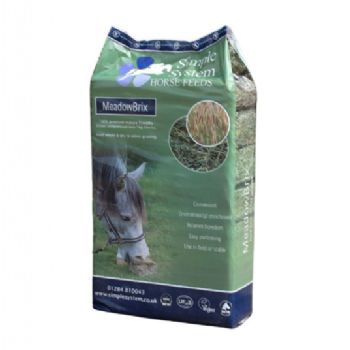
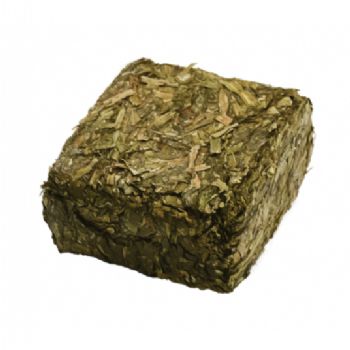
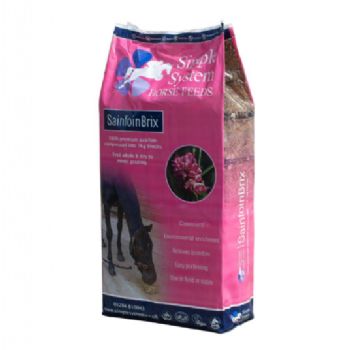
For enrichment: Forage blocks, such as Simple System Brix, provide a time-consuming chew and variety.
Expert Advice
For tailored feeding guidance and support with forage management, contact the Simple System Feed Line on 01728 604 008 or request feeding advice using the online form.