FB Pixel
Feed for horses prone to sand colic

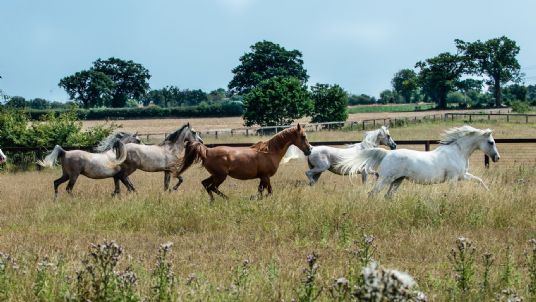
Dry ground, short grazing and an increased risk of sand colic

08 May 2025

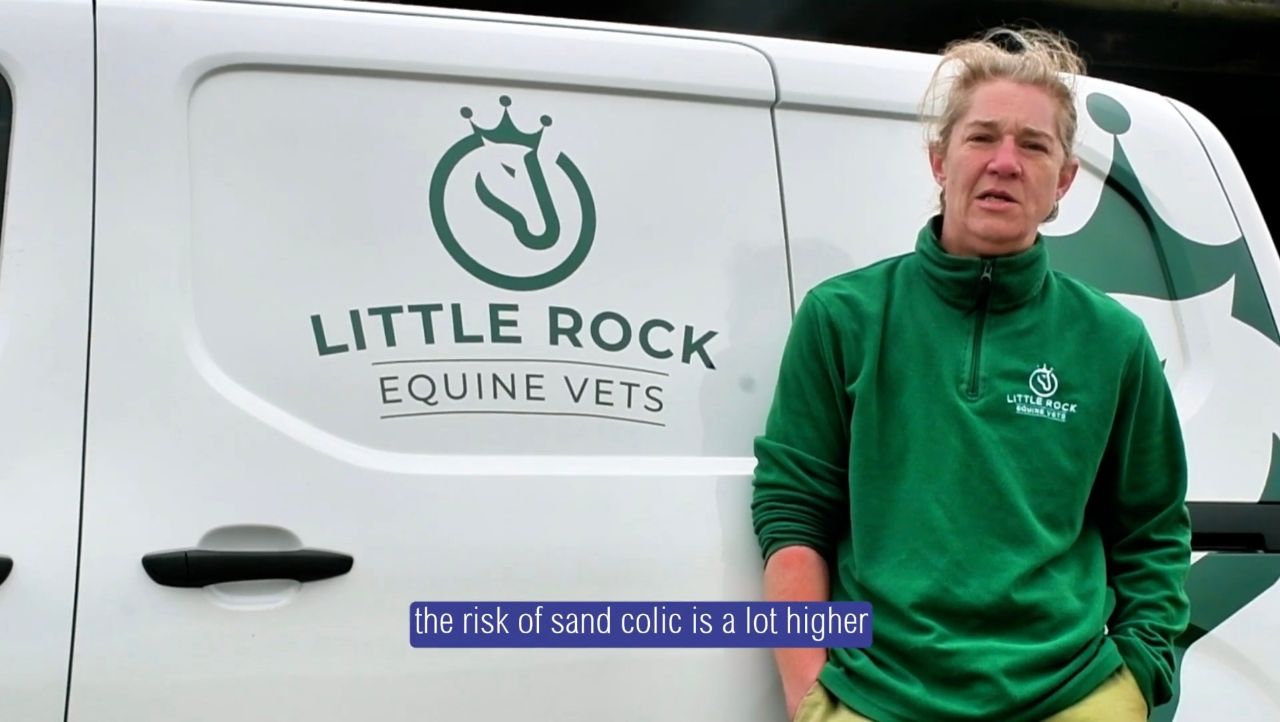
Independant equine vet, Dr Anna Michelle (Shelley) Cook, of Little Rock Equine Vets in Staffordshire, tells us more about sand colic in horses, ponies and donkeys, and importantly, how feeding can help prevent it.
 
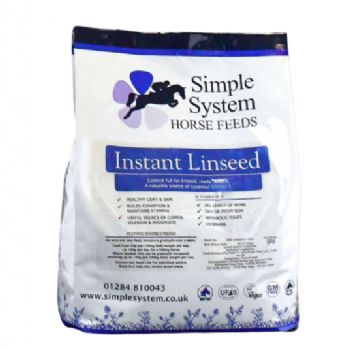
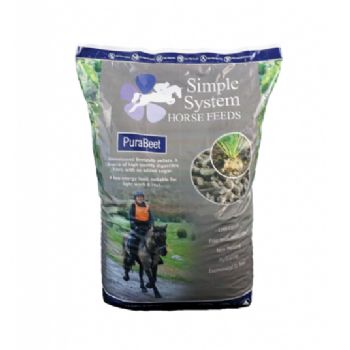
When the ground is dry and grazing is short, Shelley recommends feeding ample forage in the field such as hay or haylage, ideally off the ground or on top of rubber matting. She also strongly suggests feeding a beetpulp based feed or mash, such as Simple System's PuraBeet, alongside Instant Linseed. Both feeds help to form a mucoidal coating to aid the passage of sand through the gut.


Watch the video below.
 
If you suspect colic, sand colic or otherwise, we suggest contacting your vet in the first instance.
 
For feeding advice, contact the Simple System Feed Line on 01728 604 008 or email info@simplesystem.co.uk.
 
All products mentioned in the video can be purchased for delivery to your home or yard via Simple System's website, www.simplesystem.co.uk


Featured Products

Cooked full fat linseed, ready to feed. A valuable source of essential Omega 3.

£18.50
£45.00

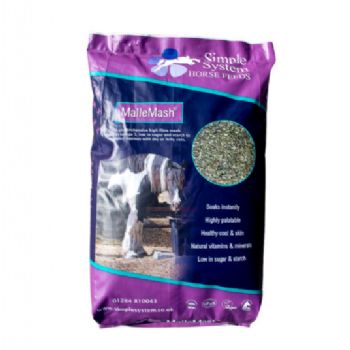
A comprehensive high fibre mash, rich in omega 3 and natural vitamins and minerals. Provides dietary support for equines with dry or itchy skin.

£29.95

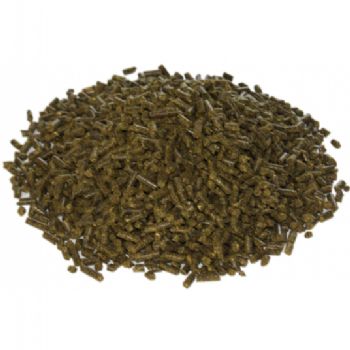
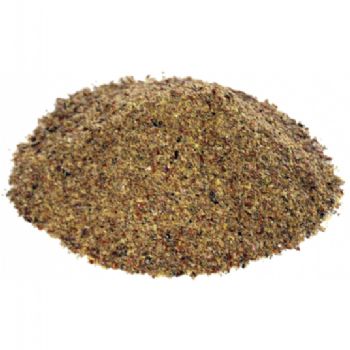
Unmolassed beetpulp pellets - a source of high quality digestible fibre, with no added sugar.

£15.75

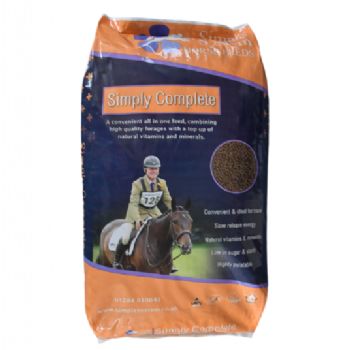
A complete & convenient feed, combining our high quality forages & complementary ingredients.

£29.50

Featured News

10 years of Simple System HayCare!

During its 10 years so far, it has become apparent that HayCare is so much more than a hay replacer...

Can the grass still be growing in November?

Grass has the potential to grow all year, which is different from many other plants. Certain things are necessary for this growth, but if they are not met, the grass will be dormant, waiting for conditions to improve. 

Rain after drought, what happens to your horse's grass

Rain fall can trigger growth akin to a spring flush, especially if temperatures are high. Even whilst true spring may be in the past, the risk for those prone to laminitis will rise.