What is lysine?
Protein, from the Greek proteos, which means “of primary importance”, is made up of a range of different amino acids. Some of these are “essential” meaning they have to be present in the diet as the horse cannot make them. Lysine is one of these and probably the most important. Without a balance of all the amino acids, the horse cannot use the protein effectively to build and repair muscle, support the vital organs including blood and is even important for immunity.
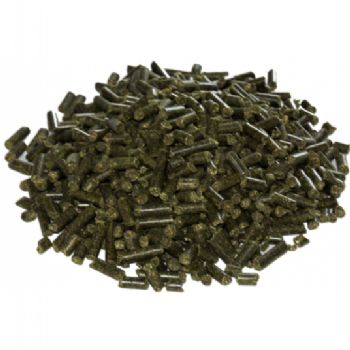
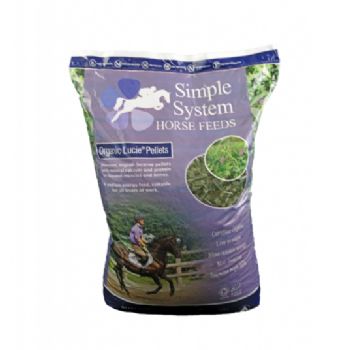
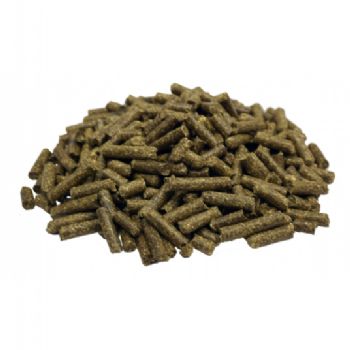
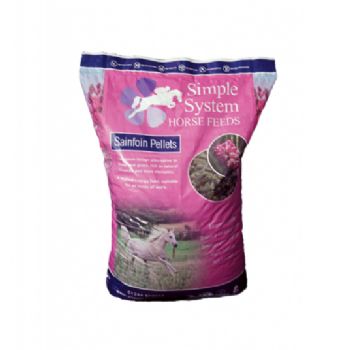
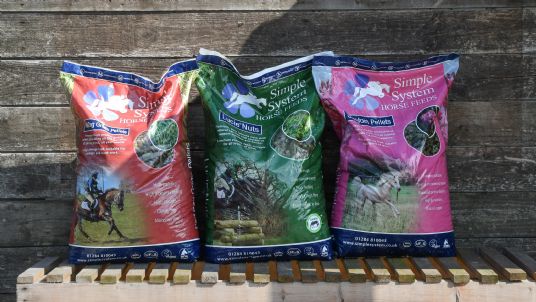
Forages tend to have more lysine than cereals - and legumes, more than grasses. So look to lucerne or sainfoin feeds, like Organic Lucie Pellets or Sainfoin Pellets.The higher the total protein, the higher proportion of lysine. Lucerne for instance has around 1% lysine, so just 1kg will supply around 10g of lysine. As a general guide, 5% of forage protein is lysine. Good hay that has 10% protein will supply 5g of lysine per 1kg.
How much lysine does a horse need?
It depends on the demands being made of it.
| Maintenance | 30g/d |
| Work | up to 47g/d |
| Preganancy | up to 42g/d |
| Lactatation | 80-90g/d |
| Growth | 40g/d |
The Simple System Feed Line are available to provide free Feed Plans focused on a forage-based feeding system. Contact the equine nutrition team on 01728 604 008, email info@simplesystem.co.uk or complete the online form.