With brighter, sunnier days forecast, we need to keep a close eye on our overweight horses, those with fat pads or cresty necks, and those prone to laminitis.
Whilst the grass may have seemed slow to come through in places this year, the grass that has grown is likely to have been highly nutritious. It is, quite literally, growing into their mouths, with horses often eating it as quickly as it appears. The fields may look bare, but chances are your horse has already eaten that day’s growth!
For some horses, the worst this spring grass will do is turn them off their bucket feed in favour of the fresh, sweet shoots, or cause a little more excitable behaviour and enthusiasm in their work. Unfortunately, for the good doers and those already borderline for metabolic issues, this might be the final straw in triggering something more sinister - from piling on the pounds to triggering a bout of laminitis.
It is critical that owners of these more susceptible horses do what they practically can to manage appropriate levels of grass intake and prevent excessive weight gain. Being overweight places more strain on the joints and supporting soft tissues, can impact breathing and exercise tolerance, and increases the risk of developing EMS and laminitis.
So, what can we do?
Maintaining turnout is always preferable, as horses thrive on the ability to freely roam, forage, and interact with companions. You may, however, need to get creative or inventive with the turnout on offer so that it is appropriate for the individual.
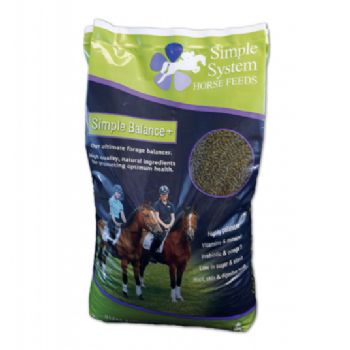
There is an increasing trend for offering grass-free turnout so that horses get the time out they need, but with a reduced grass intake, as for some, any grass seems to be too much. With this, it is vitally important to ensure that sufficient forage is supplied - a minimum of 2% of their ideal body weight in dry matter per day - and that a quality forage balancer, such as Simple Balance +, is given, as nutrient supply is greatly diminished when fresh grass access is reduced or removed entirely.
For those who can be turned out on grass but need it carefully managed:
- Rethink field shapes and herd dynamics. Try turning out in longer, narrower fields, as this will encourage more movement than small squares. Turning out with company also gives them something to do other than just eat, as they will groom, interact, and even play with their companions - which might also burn more energy!
- Utilise back-fencing: Strip graze onto new growth so that they cannot gorge, but move a back fence along behind them so that their total turnout area stays the same. This way, they are just gradually moving down the field, as opposed to their field getting bigger and bigger and increasing the amount of grass on offer! This also allows previously grazed grass to recover, so that you can turn around and repeat the same movement back down the field.
- Make use of any shade: Shadier fields will not only offer respite from the increasing temperatures, but shaded grass will also be lower in sugar. If you still have to stable for part of the day or have the option of dry-lotted turnout, turning out late in the evening or first thing in the morning - and bringing them in before the sun fully wakes up - will mean they graze lower-sugar grass when they are out.
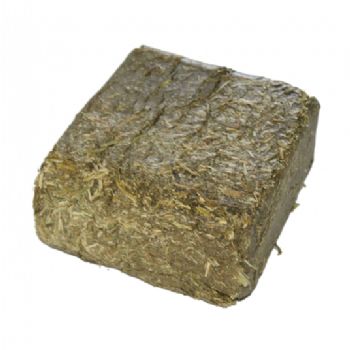
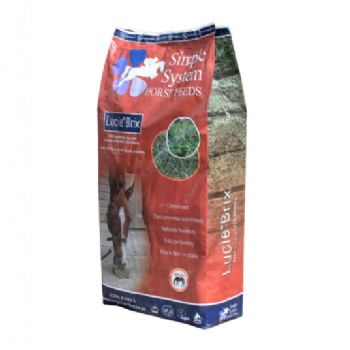
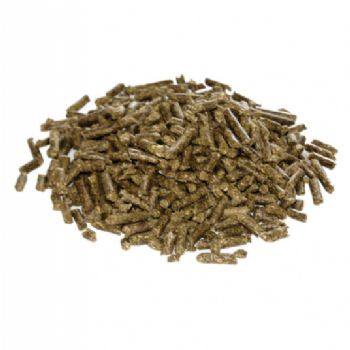
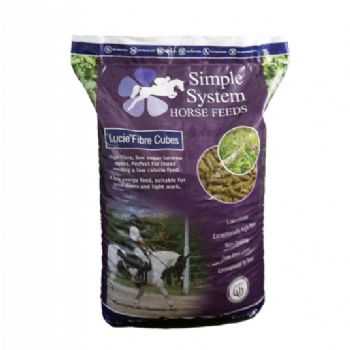
- Offer lower calorie alternatives: Offering alternatives to grass, be it hay, haylage, forage chops, Brix, or soaked forage pellets like Lucie Fibre Cubes, will encourage them to spend time picking between the variations on offer. This potentially reduces grass intake while increasing enrichment and self-selection opportunities. Placing these offerings further apart around their turnout area will also increase movement.
- Never turn out hungry: If your horse is being stabled or coming off the grass for a spell, feeding a high-fibre feed or some hay/haylage before turnout will prevent them from going out hungry and instantly gorging on the sweet grass on offer.
Increase the exercise... Away from managing turnout, increase the duration, frequency, or intensity of exercise as much as you can. You can stay in a walk to minimise joint loading whilst they are overweight (or when the ground is hard), but make sure it is a brisk walk. Go a little further, or add in an extra spin round the block where you can. Even a 15-minute march round the yard is going to do more for them than 15 minutes consuming fresh grass!
Managing good doers is always a challenge, as we have to balance their mental wellbeing and their physiological needs as a grazing animal with a suitably controlled diet. With a little “thinking outside the field”, there are many handy management and feeding tips that can help shift those extra pounds and minimise the ill effects good grass can have.
Need individual advice for your horse?
Contact the Simple System Feed Line on 01728 604 008, email info@simplesystem.co.uk or request a Feed Plan online.