FB Pixel

Latest News

A history of sainfoin

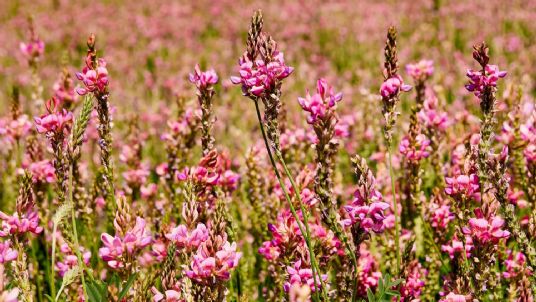
Sainfoin is an ancient legume that has been grown by farmers across the world for hundreds of years. It is native to South Central Asia and was introduced into Europe in the 15th century. There is a record of sainfoin being imported into England from France in 1652. The name Sainfoin comes from the French saint foin or sain foin meaning "healthy hay". It was known that animals fed on sainfoin were healthier and put on weight more rapidly than on other forage. In the days when working horses were commonly used in agriculture, sainfoin was grown as a hay crop to provide high quality forage which would power the heavy working horses. In the south of England, one in seven fields used to be covered with sainfoin and it is still widely grown in northern Spain, Italy, Armenia, Ukraine, Kazakhstan, Kyrgyzstan and Georgia.

Hemlock or Cow Parsley?

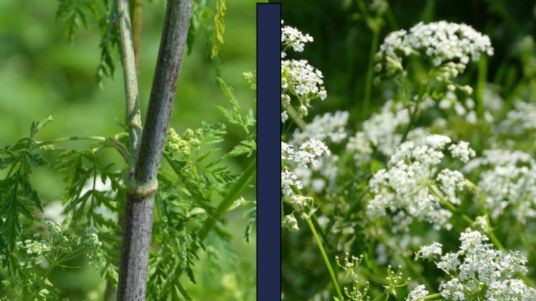
Hemlock, a highly toxic plant, appears to be growing in abundance this year. Hemlock and cow parsley look similar. Although cow parsley is safe and tasty for our horses, hemlock is very poisonous and can be fatal even in small quantities.

There are some differences between the two plants, and hemlock can be identified in a few different ways.

Weight gain for older horses

Autumn is with us, even if it is a bit uncertain! Horses are now well into their winter coats, the grass is going off and whilst this is a good time to let the weather take weight off our fatties, some horses are not fatties and need extra feed now to ensure they are able to go through winter without getting positively poor. Older horses, thin skinned ones and growing youngsters can all come into this category.

When can we start using new hay?

When old hay is running low, or is not very good quality, we will want to start on the new hay as soon as possible. But when can we start using new hay? Newly made hay continues to under-go changes even after it is baled. Traditionally, new hay was never fed to horses until Michaelmas at the end of September - when it was termed old hay! In practice and under pressure of supplies, do not feed new hay until it has been baled at least 6 weeks and even then, keep a close eye out for any signs your horse is not happy with it. This could be loose droppings, bloated and gassy or even colicky. Not all horses are affected by new hay, but it is not worth risking a gassy colic.

High calorie horse feed - TopGain

We have renamed our conditioning top up feed, TopNosh, to 'TopGain'. The name change reflects the use of TopGain - it is a high calorie feed, designed for horses that need to gain weight and condition. The product, price and ingredients remain the same. TopGain comes in a new bag which is 100% recyclable. Like our entire range, TopGain is 100% natural and cereal-free.

Can stress cause ulcers in horses?

With better diagnostic tools and techniques, ulcers are being more widely diagnosed. There are basically three types of stomach ulcers and horses can also get hind gut ulcers which are much harder to diagnose as they are out of reach of any endoscope.

  • Stomach ulcers can be squamous, which occur in the upper part of the stomach that is not protected against acid. These may be a result of working a horse on an empty stomach.
  • Mucosal or glandular ulcers occur in the lower part of the stomach and these are more associated with stress.
  • Pyloric ulcers occur near the pyloric valve, between the stomach and the first part of the small intestine. These are more likely when the horse has been fasted for several hours.

What causes gastric ulcers in horses?

Gastric ulcers can be caused by a variety of issues relating to feed, management and workload. They are being increasingly diagnosed across all horse populations, including leisure horses, likely due to greater awareness of the signs and symptoms. There have also been developments in technology allowing vets to make earlier and more conclusive diagnoses.

What are the different types of gastric ulcers in horses?

There are three main types of gastric ulcers in horses:

  1. Glandular or mucosal ulcers occur in the lower part of the stomach and are typically associated with stress.
  2. Squamous ulcers occur on the upper part of the stomach and are mainly due to acid splash, such as working a horse on an empty stomach.
  3. Pyloric ulcers occur at the junction with the duodenum (first part of the small intestine) and are more likely to occur when the horse has not had access to feed for several hours.

What is the best treatment for gastric ulcers in horses?

Treating a horse with ulcers is a four-fold approach:

Should horses constantly be eating?

How many times a day should a horse eat?

Horses evolved on grassy, treeless plains. They are nomadic trickle feeders that would spend and average of 12.5 hours a day grazing upon forage - which would have been the leaves, stalks, flowers and seed heads that grew on these plains.

Relatively recent studies show that horses generally graze in 10 to 15 feeding bouts per day and so constant availability of forage is deemed essential for our horses health and well-being.

What should a horse eat?

Whilst we cannot provide a grassy, treeless plain it is possible to recreate some of the factors that constitute species-appropriate feeding for horses that spend time in a stable.

Vegan Horse Feeds

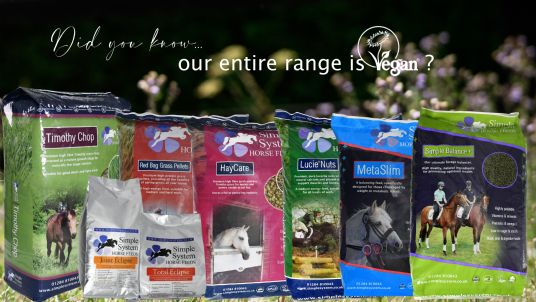
Did you know Simple System's entire range of feeds are all registered with The Vegan Society?

The horse is an obligate herbivore which means in human terms, it is Vegan. Sadly, not all the ingredients in many ranges of feed are all from plant sources but we have respect for the horse as an obligate herbivore and feel it is inappropriate to include animal remains of any sort in horse feeds.

The Vegan Society is very thorough in its processes to ensure that we adhere to their strict guidelines and we are inspected regularly to ensure compliance.

Why are Ulcers a common problem in horses?

Stomach ulcers are sadly common place in horses. They are being increasingly diagnosed across all horse populations, including leisure horses, likely due to greater awareness of the signs and symptoms. There have also been developments in technology allowing vets to make earlier and more conclusive diagnoses.

What causes ulcers?

Ulcers can be triggered, or exacerbated by stress, travelling, long periods without food, insufficient forage, cereals and straw. Some medications can also trigger them.

Winter Feeding Tips

Our Director of Nutrition, Jane van Lennep BSc., MSc., BHSI (SM Cert)., NPSD., shares advice on how to feed your horse this winter.

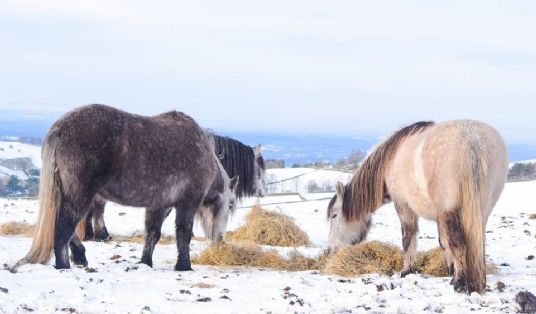
Forage first. Make sure your horse always has forage available to eat. Horses generate their heat through fermenting forages in the hindgut. By ensuring your horse has enough hay to eat, you will keep him warm in the coldest weather. Split hay rations into two or three piles spread evenly apart. Encouraging movement will keep your horse exercised, healthier and will help keep joints in good condition.

Split feeding times. Instead of feeding your horse once a day, try to split feeding times to two or even three times a day (if possible!). Horses are used to eating almost constantly.

Check water levels. Monitor your horse's water daily to ensure they are drinking enough and staying hydrated. Break ice on frozen water troughs (use a colander to sift out chunks of ice) and add in a little hot water to tempt your horse to drink. If your horse needs further encouragement still, adding a handful of TopGain , MetaSlim or Simple Balance + can work incredibly well. Soaked forages, such as our Blue Bag Grass Pellets, are a great way to hydrate your horse as well as giving them a nutritious feed. 
Managing the Cold Weather

Don't get caught out by this spell of cold and wet weather! When the temperature drops horses need more calories to keep warm and when it is wet as well, even more so. Add in a brisk wind and needs really go up.

Introducing HayCare

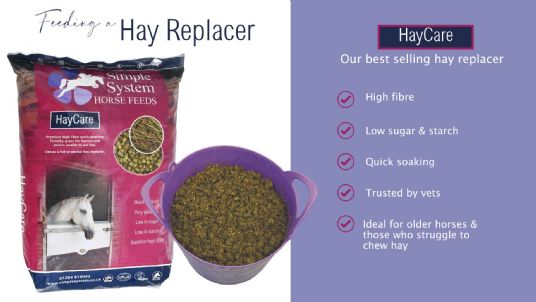
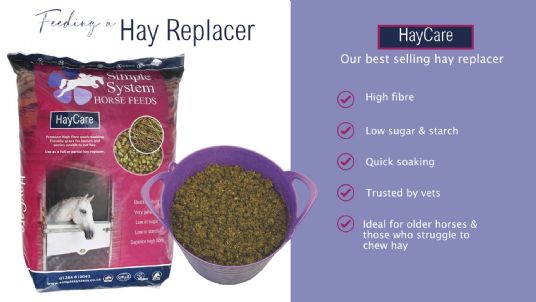
Introducing one of our best selling horse feeds, HayCare. A quick soaking hay replacer for horses who struggle to chew hay. 

Low in sugar, low in starch and high in fibre, HayCare is suitable as a hay replacer for older horses, those with poor dentition, laminitic horses and those prone to metabolic issues. HayCare is also frequently trusted by vets for use post colic, post surgery and post dental work.

HayCare is...

Our Best Hay Replacers for Horses

With both grass and hay in short supply, a lot of horse owners are looking for a suitable forage to replace hay & keep the horses ticking over until there is more grass and new hay.

Cheap feeds are not always economical, good quality always pays!

On our travels we have seen some hay and haylage made already which is encouraging, but it is best to wait at least 6 weeks before using it and bear in mind, when made in May or June, this could be very rich. It will be high in sugar and protein but relatively low in fibre, so not quite what we normally think of as hay. Ideal horse hay is first cut, made in July or even August, when fibre levels are higher and it is not too nutritious or heating.

So, until the next lot of suitable hay is around what are the alternatives?