FB Pixel

Latest News

When will the spring grass start coming through?

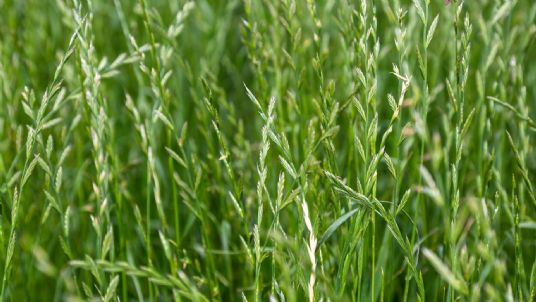
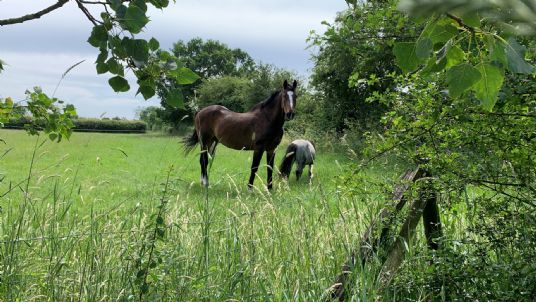
When will the spring grass start coming through? Now we are past the spring solstice, days are longer than nights, it feels as if spring is here, but nothing seems to be growing much! Horses out in fields will nip off the new growth of grass as soon as it appears, so just looking at the pasture does not always tell the whole story.
Forage first at the National Equine Forum

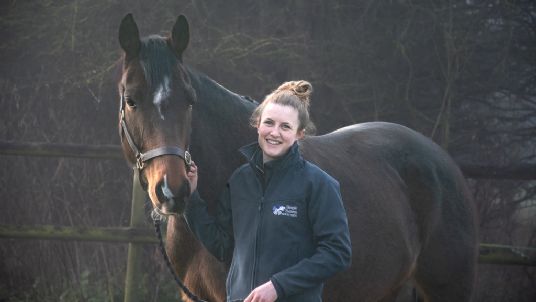
This week, Simple System's Nutrition Manager, Ellen Lincoln BSc (Hons)., MSc., attended the National Equine Forum - an event that brings together professionals from across the entire breadth of the equine industry to discuss topical affairs and concerns; what has gone well in the last 12 months, and what we need to do better in the future.

What are foal slippers?

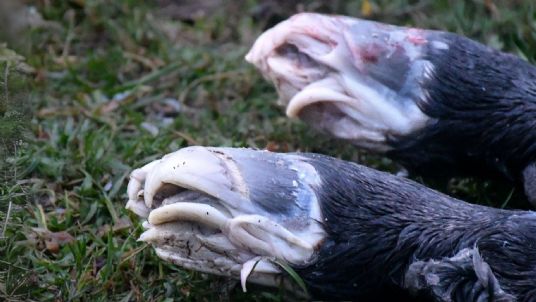
What are foal slippers? If you have seen them, consider yourself very lucky. These strange looking things are completely normal and they play a very important part in the birthing process.
 
These foal slippers, or eponychium, are rubbery capsules that completely cover the hooves of the newborn foal.

Do horses always need vitamin and mineral supplements?

Do horses always need vitamin and mineral supplements?

The horse’s natural diet is forage. Their daily greens are full of vitamins and minerals, the oils they contain are high in essential omega 3 and the fibre, especially in younger plant material, is easily utilised by the amazing gut microbes.

An important update about Meadow Forage Pellets...

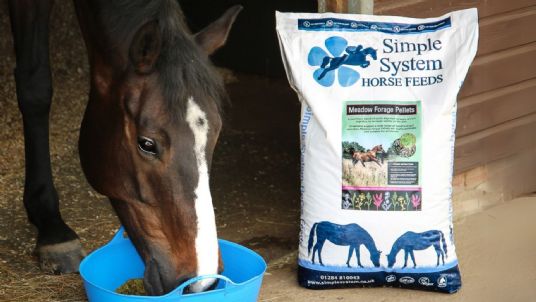
Since their launch in May 2024, the popularity of Meadow Forage Pellets has exceeded our expectations. As such, we expect upcoming shortages until our new crop is harvested in late summer.

Read on for alternative product suggestions or contact the Feed Line for tailored advice on 01728 604 008.

What can I feed instead of Meadow Forage Pellets?

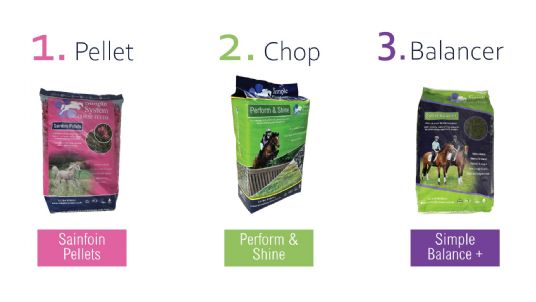
Providing a variety of forages to support the gut microbiome is beneficial to our horses. To increase diversity in the diet, we suggest feeding different forage types for your pellet, chop and balancer. An example Feed Plan suitable for most horses would be: Sainfoin Pellets (sainfoin), Perform & Shine(Cocksfoot and Timothy grass) and Simple Balance + (lucerne).


Conditioning horse feed | Perfect partners for condition and top line...

Sometimes, our horses need a bit of a nutritional boost. Maybe they require extra during the winter, or when building up to a demanding competition season.

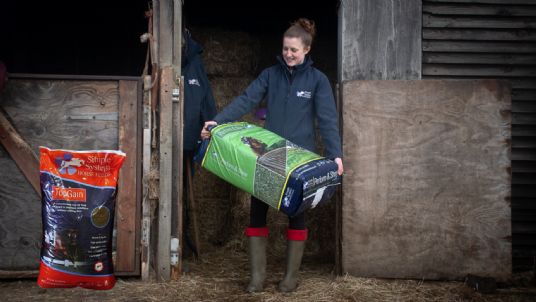
Time for TopGain and Perform & Shine.

Is ryegrass good for horses?

Ryegrass triggers more controversy than any other grass type.

At Simple System we choose not to use Ryegrass in our horse feeds, despite it being the most commonly used agricultural grass as it is easy to grow and very nutritious.

Calling all HayCare Horses

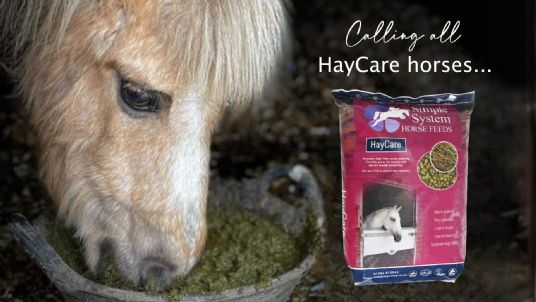
Calling all HayCare horses... we want to hear from you!
 
We're working on a little something, and whilst we can't say too much right now, we'd love to hear more about your horse's HayCare journey!

Should I soak my horse's hay?

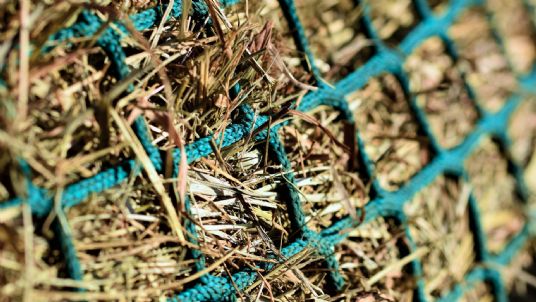
Why soak hay for horses? Soaking hay is usually done in order to reduce sugar levels for overweight horses or those with metabolic issues such as laminitis, pituitary pars intermedia dysfunction (PPID) / Cushing's Disease and insulin dysregulation (IR). Soaking hay is also carried out for horses with respiratory issues such as asthma, COPD and pollen related allergies. 

Does my horse need a hay replacer?

There are many scenarios in which you may be considering feeding a direct replacement for hay or haylage.

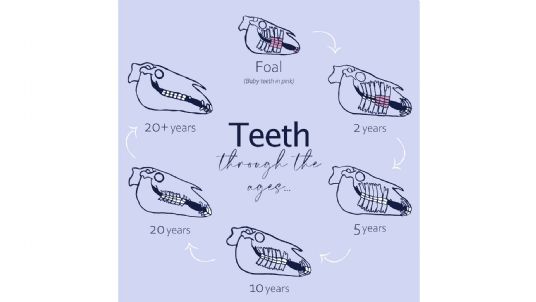
Youngsters...If your seemingly healthy youngster starts to lose condition it is quite possibly due to them experiencing dental changes.

Forage blocks for horses - FAQs

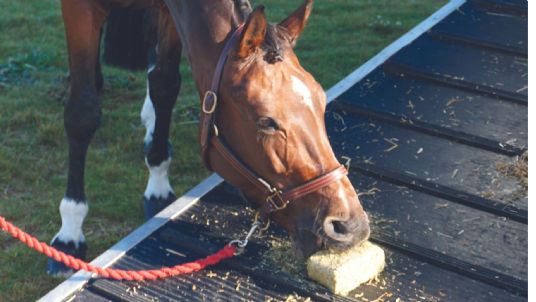
Forage Brix are an easy and convenient way to increase your horse's fibre intake either in the field, or stable. They are ideal for providing environmental enrichment, especially for those spending more time stabled due to inclement weather, wet muddy paddocks, or box rest.

Improving Horse & Rider Connection

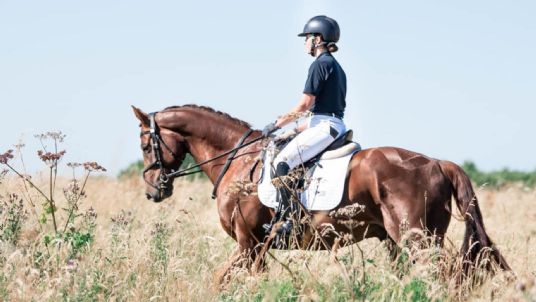
One of the most common problems in training horses and riders is the lack of connection.

What does this mean? To put it simply, the horse is not pushing enough from behind to a secure, elastic feel down the rein to the bit.

A reflection on 2024 and a 'thank you' from Simple System

As we've settled into the festive season, it’s time to look back and reflect on the year we’ve had at Simple System.

After a cold start to spring, the summer gave us a relatively straightforward harvest.

Colic in horses - is this due to a design fault?

Horses are prone to colic, especially those that are stabled.

Why is this? One in 10 horses kept under reasonable conditions, stabled some or a lot of the time, will get colic each year. However, this is not inevitable.

Soaking Simple System Horse Feeds - FAQs

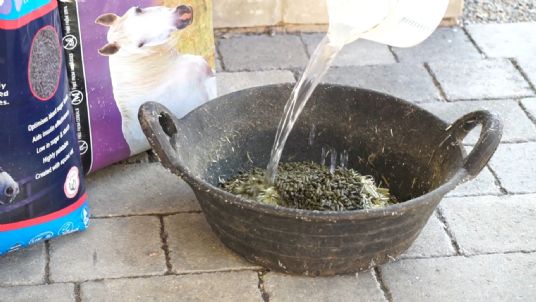
At Simple System we recommend soaking all of our pelleted forages. Here are our most frequently asked questions on the topic...
 
Q. How long should my horse's feed take to soak?
 

Happy Birthday MalleMash!

In just 12 short months MalleMash has become the staple diet for so many horses - from itchy types, to natives, cobs and feathered breeds - it's become a firm favourite.

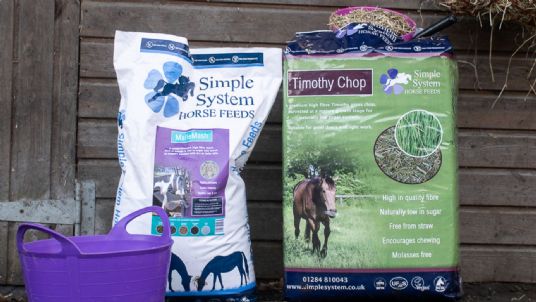
Whilst created as a convenient 'one bag' feed many of you have asked if you can add a chop to MalleMash as we head in to winter....

Reducing the risks of colic in horses

Colic is something that all horse owners dread. This week is 'Colic Awareness Week' and our Feed Line have some tips to reduce the risks of a colic episode occurring...

Winter is coming!

Cosying up in front of the fire with a hot chocolate and a dog in your lap paints an idyllic picture for many, but winter is a dreaded word for almost all equestrians - and many of us are still feeling triggered by last year’s horrendously wet and muddy edition.

A horse feed for condition

Sometimes, our horses need a bit of a nutritional boost. Maybe they require extra going into winter, after a demanding competition season, or even for ‘extra good looks’ for a special show. Bring on TopGain !  

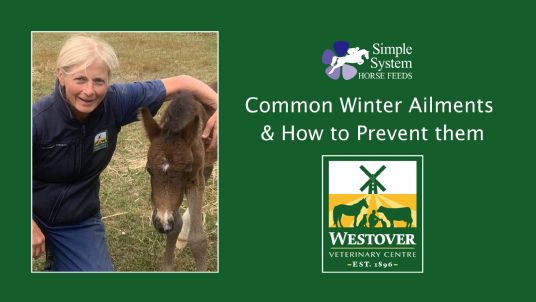
The Vet's Perspective: Common winter ailments and how to prevent them

We asked Norfolk based practice, Westover Large Animal Vets Ltd., to share the most common health concerns they encounter in equines during the winter months...

Cutting costs without cutting equine welfare

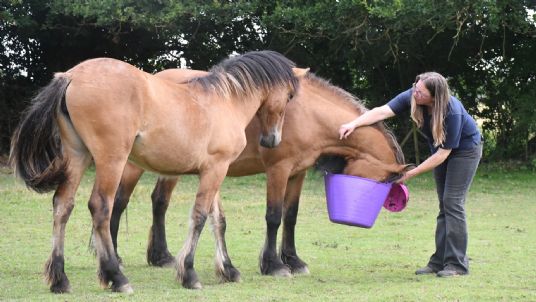
Keeping horses is expensive - no one can argue with that! But there are ways we may be able to save a little money without reducing the quality of care we offer our equine friends. Read on to learn more...

Building up to Bonfire Night

Most equestrians dread Bonfire Night as it can be a particularly stressful time for both horses and horse owners alike. With just over 2 weeks to go, now is the time to prepare.

When should I wean my foal?

At this time of year, you may be looking to buy a foal and experience the joy of bringing on a youngster. Although it is traditional to wean at 6 months, this is actually too early.

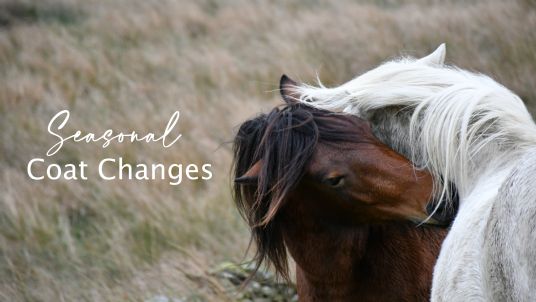
Helping horses through seasonal coat changes

Horses are now well into their ‘Blackberry coats’. There is an old saying that “no horse looks well at blackberry time” as the blackberries often appear when our horses are setting their winter coats, losing their summer dapples and the cooler weather means there is less goodness in the grass.

Now is the time to address your horse's weight

We've had numerous calls to the Feed Line about underweight horses this month. It will always be easier to put weight on before a cold spell hits, so now is the time to make any dietary adjustments. 

Feel good factor or food intolerance?

As it is with humans, horses are all individuals. Certain horses can react to certain feeds and as owners may perceive that these feeds cause their horse to “hot up” or are even allergic/sensitive to the feed. This feeling can be amplified further when we see 'trends' come and go on social media - we've probably all been there at some point over something, even if we don't care to admit it.

Ragwort - or not?

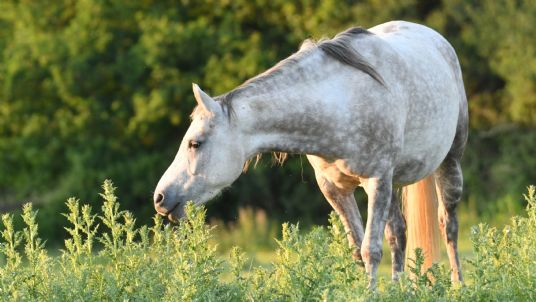
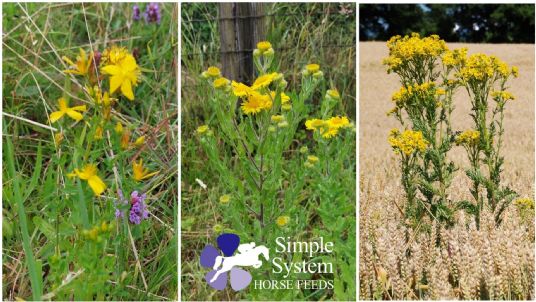
The majority of horse owners are aware of what ragwort looks like, along with the dangers it presents for our horses. So much so we spend a good amount of time and effort digging it up from our paddocks before it sets to seed. But what about plants that look a bit like ragwort?

The Dinky Ponies feature on the BBC

Watch the Dinky Ponies on BBC Newsround. We are proud to support the Dinky Ponies who are exclusively fed Simple System feeds.

Why soak feeds?

The natural diet of horses is grazing. Fresh forage is 70 – 80% water, so horses actually eat a lot of water. Even on very wet grazing, they still need to drink as well, as the food needs to be mixed with plenty of fluid to get through the small intestine’s 20 metres or so and numerous curves.

Protein in the equine diet

As protein is the most important nutrient of all, it is critical that the horse's diet supplies the correct amount. Every cell in the body is made from protein. Horses' requirement for protein varies depending on their age, reproductive status, work and condition.

Ragwort in horse pasture

Ragwort - a menacing paddock plant!
 
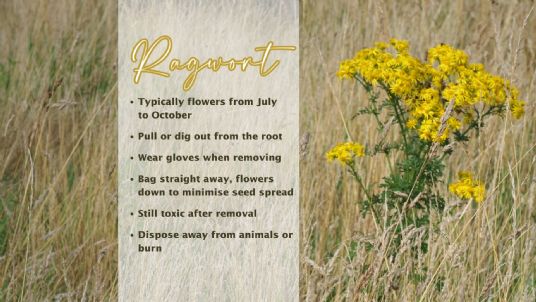
The dreaded ragwort is flowering now and is easy to spot. It is also starting to go to seed, so any not removed posthaste will spread through its wind-borne seeds.

FAQs about Sainfoin for horses

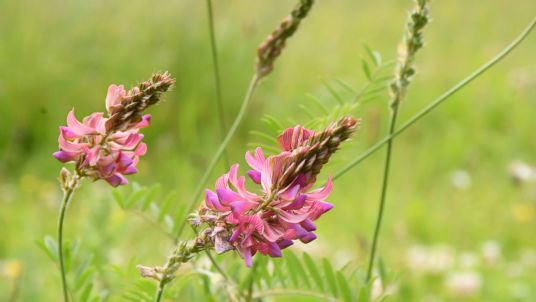
We've worked hard to ensure that sainfoin is available for horses since before the launch of Sainfoin Pellets in 2016. So, what is sainfoin, how can it benefit horses? 

Read answers to our most frequently asked questions or watch our video as Simple System Director of Nutrition, Jane van Lennep, tells us more.

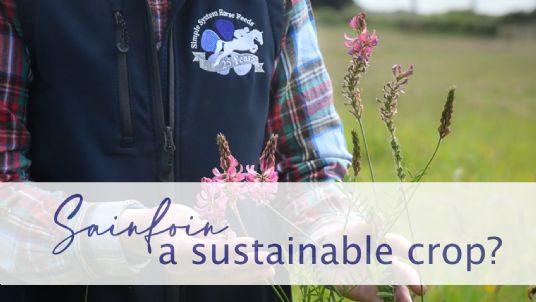
Sainfoin, a sustainable crop?

As more farmers move toward more eco-friendly, regenerative and sustainable farming practices, the 'forgotten forage' that is sainfoin, is starting to see a resurgence. Here are just a few reasons why...

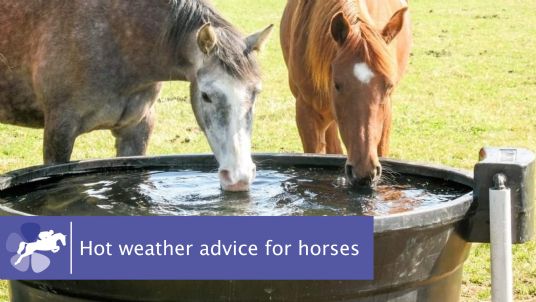
Hot weather tips for horses

The higher temperatures we are currently experiencing in the UK can cause havoc for some of our horses. Older horses, those that have underlying health conditions, heavier horses and those who have held coats can be particularly affected. 

Our top tips are...


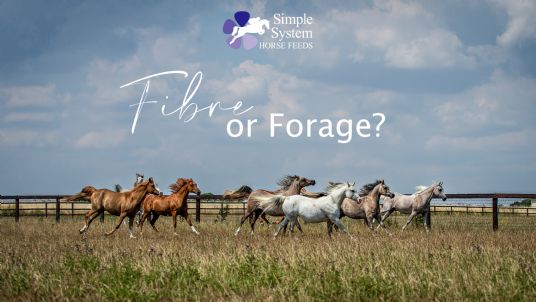
Fibre or forage?

We all know horses are best served with a high fibre diet, but is all fibre the same?  You’ve guessed, it isn’t! 

Fibre is the structural part that holds plants together – its skeleton, if you will. The older the plant, the stronger its fibre needs to be, but the stronger it is, and as result, for the animals that eat it or try to, the less goodness can be extracted from it. 

10 years as Simple System brand ambassadors

We are celebrating a very special anniversary as today we mark 10 years of officially supporting Team Lamy Wright!

Here's a video from the archives, shot back in 2017. Martin Wright (with the help of Ehren and Janine), explains why the team switched their horses to a Simple System diet all those years ago. 

Brewers' Yeast for Horses

Yeast is an amazing feed for horses (and humans too!). This cream-coloured microscopic organism grows almost everywhere and is responsible for the bloom on fruit such as grapes and sloes in the hedgerows. It is used commercially to brew beer, ferment wine and in bread making.

When it comes to feeding horses, yeast is very nutritious as it is an excellent source of B group vitamins and high-quality protein as well as a range of trace elements.

How to feed Simple System Lucie Chop

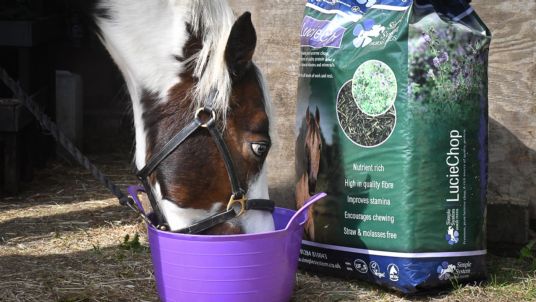
How to feed LucieChop - our uncoated 100% pure lucerne (alfalfa) chop, rich in protein and calcium.
 
LucieChop is suitable for...
  • Supporting muscles & bones
  • Feeding dampened
  • Improving stamina

Chops / chaffs for variety in the horses diet

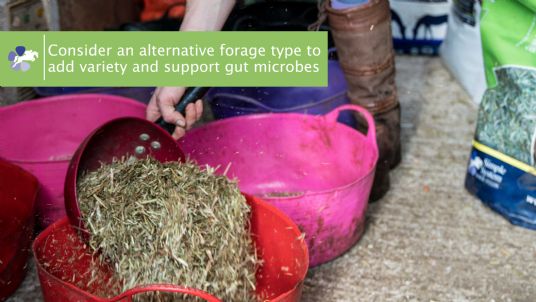
Variety in the diet is important for horses - just as it is for humans! When choosing your chop / chaff, consider the whole of the diet. For example, if your horse has predominantly grass feeds, such as hay or soaked grass pellets, choose a lucerne chop for variety to support those good gut microbes.