Notes from BEVA Congress 2025
At Simple System we are always keen to expand our knowledge so we last week we attended the 3 day BEVA - The British Equine Veterinary Association Congress in Birmingham.
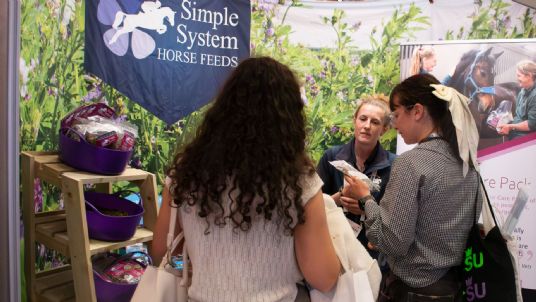
At Simple System we are always keen to expand our knowledge so we last week we attended the 3 day BEVA - The British Equine Veterinary Association Congress in Birmingham.
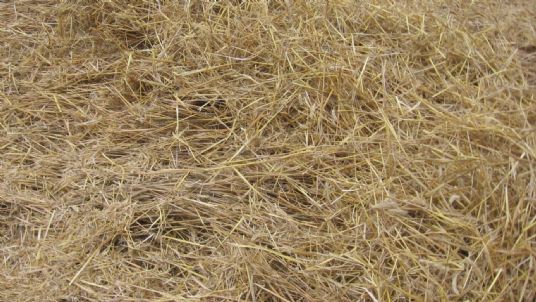
With forage yields reported to be down by up to 50% this year, hay may well be in short supply this winter.
Protein. We should never underestimate the importance of this vital nutrient. It’s essential for muscle, skin, bones, internal organs, blood – just about any part of you or your horse needs protein!
Simple System Horse Feeds are thrilled to be finalists two of the most coveted awards in the equestrian industry this year.
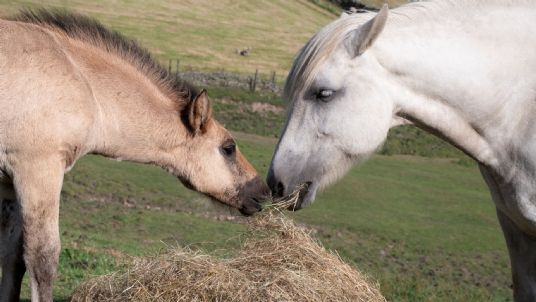
2025 has been a particularly challenging year for farmers and many of us are aware there is likely to be a hay shortage as yields have been markedly down due to the prolonged hot and dry summer.
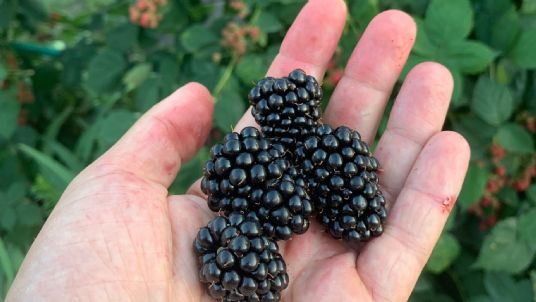
With all the warm and dry weather we have had, it is hard to remember that we are fast approaching autumn. The horses are getting their “blackberry” coats.
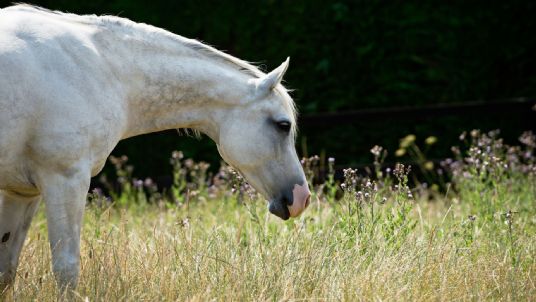
Nutritional wisdom could be summed up as knowing what you need to eat, and eating it. This might be the basic needs of nutrition in terms of calories, protein and so on, or it could be knowing what is needed to support good health.
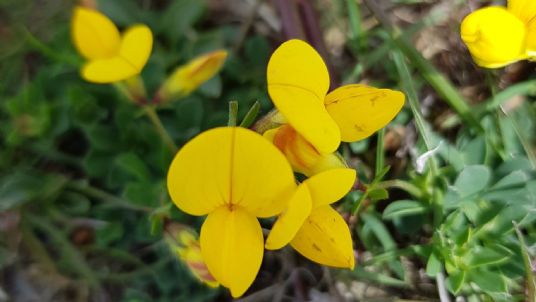
This is common Birdsfoot trefoil, although it is sometimes referred to as 'eggs and bacon'. It's an attractive wildflower, native to the UK, and one that can be of benefit to horses...
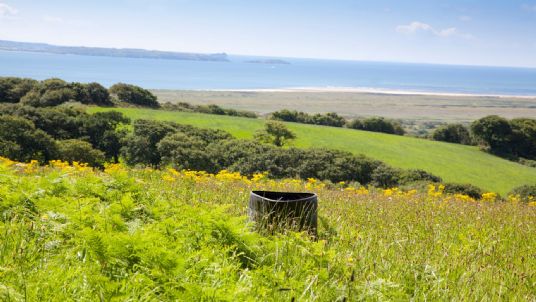
We do bang on about ragwort! It is an excellent plant for pollinators and the main food source for the caterpillars of the cardinal moth. It has a long flowering period, which means it is supplies nectar for a lot of insects, for a long time. Although it is poisonous, it is not palatable, so why are horse owners so keen to get rid of it from their pastures?
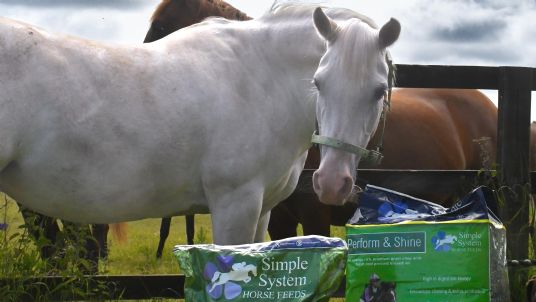
We are increasingly aware that ultra processed food is bad for us and that we should eat seasonal, fresh and local food. But what about our horses? They too will have reduced health when they have ultra processed food.
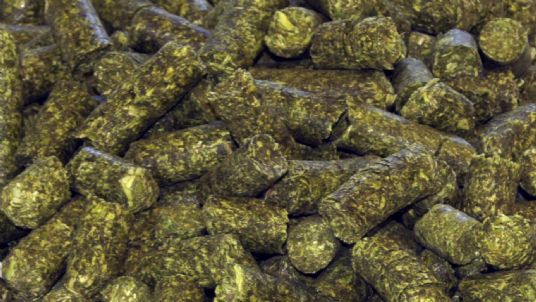
Owners of metabolic horses and ponies (those with EMS, IR, ID or PPID]) and those prone to laminitis, are well versed in keeping the diet low in sugar and starch. Most will work towards a cut off of 10% combined sugar and starch, often referred to as the Non-Structural Carbohydrate or NSC level.
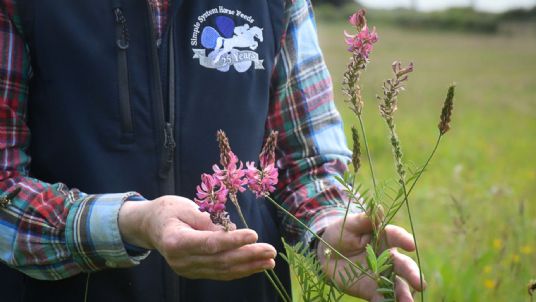
We are frequently asked, “What is Sainfoin?’ - whether it be out of interest’s sake, having come across it on our website, heard it mentioned on BBC Countryfile, or whether it has been specifically recommended for your horse. Sainfoin offers a wealth of benefits and is a unique forage type we are very proud to champion here at Simple System.
Rain coming after a prolonged dry spell can be a shock, welcome or otherwise. The grass will readily welcome the rain and with decent rainfall, the grass reawakens and begins to grow again – sometimes very rapidly.
Long, hot, dry weather may be wonderful for us during our leisure time, but the driest spring on record has had some serious implications for all connected with the land - including our horses. The dry spell looks likely to continue into drought. Read on to see how you can help manage your horse during this time.
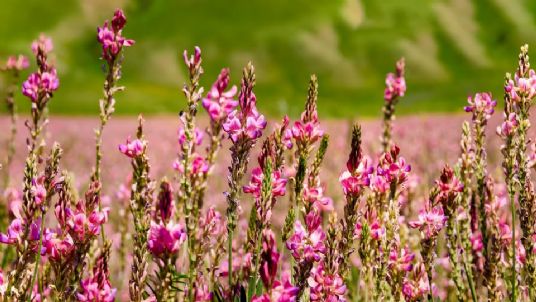
For the second consecutive Sunday, presenter Adam Henson has discussed the use of sainfoin during Countryfile. Those that know Simple System well, know that sainfoin is one of our favourite forages for horses - and that we offer an extensive range of sainfoin feeds.
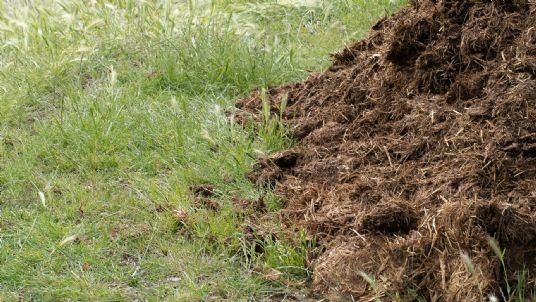
With anthelmintic resistance on the rise, horse owners worry about parasitic worms in their horses and most of us have a variety of strategies to control them. If we can understand the worms’ life cycle, we can be more effective at managing them.
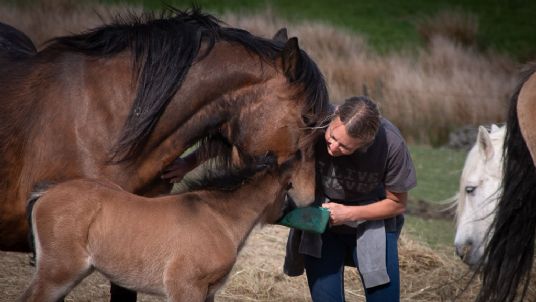
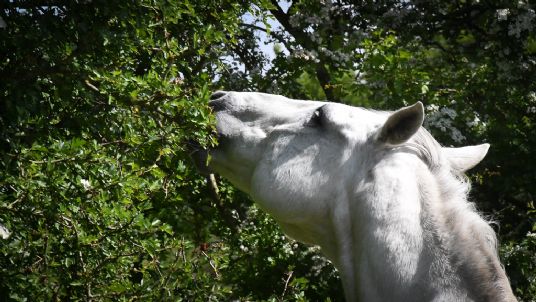
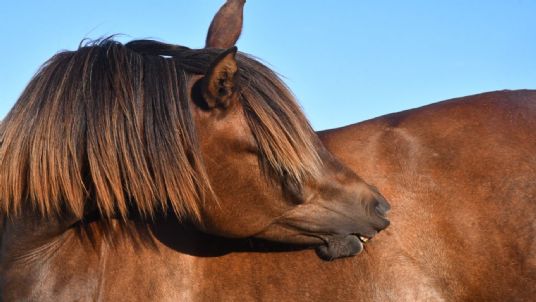
There are lots of reason why horses itch and scratch. Diet can be a factor, whether the cause in an inherited condition or a reaction to certain feeds. Inherited conditions, such as sweet itch, mallenders and sallenders, for instance, will never go away, but can be less impactful with adjustments to diet and management.
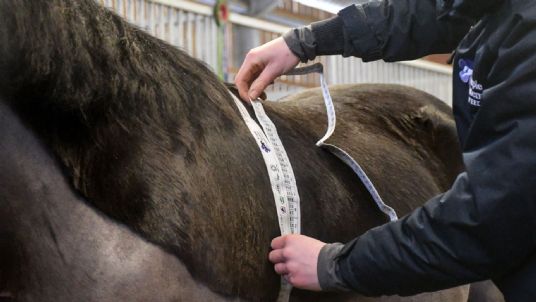
Describing a horse as “metabolic” is a commonly used umbrella term – it may mean that they have Equine Metabolic Syndrome (EMS) specifically or, Pituitary Pars Intermedia Dysfunction (PPID)...
My niece came home from primary school with a work sheet about animals. A picture of a horse looking over a stable door was captioned “I am a horse. I live in a stable and I eat oats and hay.’’ Oh dear! Whilst for many horses this is a sad reality, it is very far from delivering good welfare.
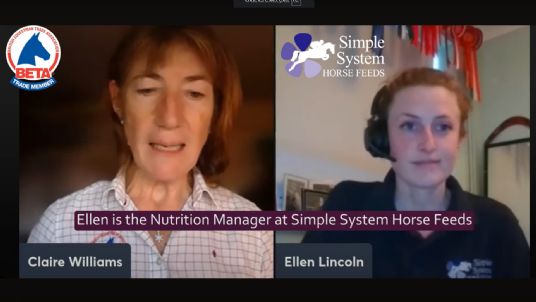
Topics covered include: -
Staying competition safe and legal - Respiratory Health - Keeping Horses Hydrated - Managing Dietary Changes - Reducing the Risks of Colic
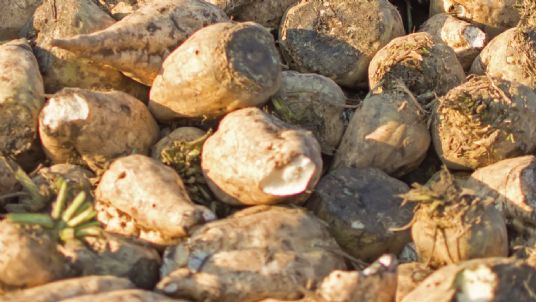
Plants use the energy of the sun to convert carbon dioxide and water to simple sugars. These sugars are then the building blocks for the plant to make whatever it needs. By combining many sugar units, they can make fibre...
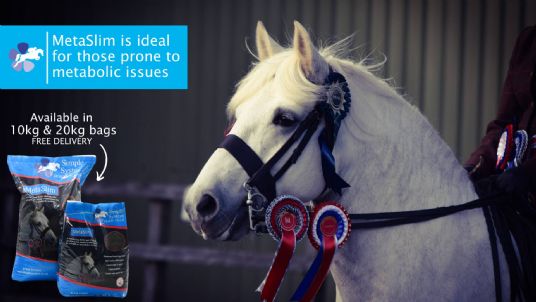
MetaSlim - is Simple System's carefully formulated pelleted balancer for those prone to metabolic issues and laminitis.
Here are our most frequently asked questions about MetaSlim for horses:
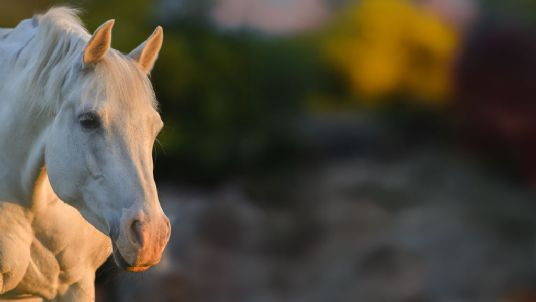
Headshaking in horses is a distressing condition, which is typified by a sudden head movement in a vertical plane rather than what we would normally consider a shake of the head, is due to pain in the trigeminal nerve of the face. For some unknown reason, this nerve fires off at certain triggers, causing sudden pain to the horse.
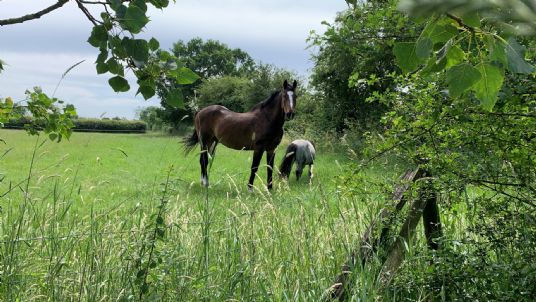
When will the spring grass start coming through? Now we are past the spring solstice, days are longer than nights, it feels as if spring is here, but nothing seems to be growing much! Horses out in fields will nip off the new growth of grass as soon as it appears, so just looking at the pasture does not always tell the whole story.
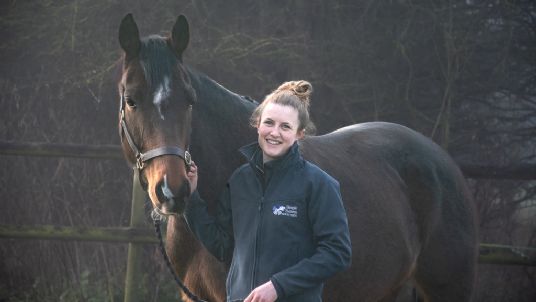
This week, Simple System's Nutrition Manager, Ellen Lincoln BSc (Hons)., MSc., attended the National Equine Forum - an event that brings together professionals from across the entire breadth of the equine industry to discuss topical affairs and concerns; what has gone well in the last 12 months, and what we need to do better in the future.
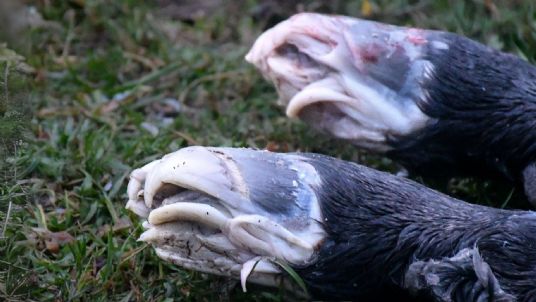
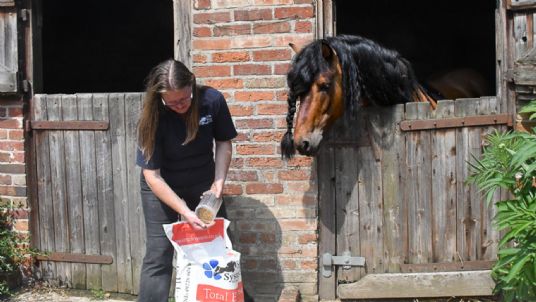
Do horses always need vitamin and mineral supplements?
The horse’s natural diet is forage. Their daily greens are full of vitamins and minerals, the oils they contain are high in essential omega 3 and the fibre, especially in younger plant material, is easily utilised by the amazing gut microbes.
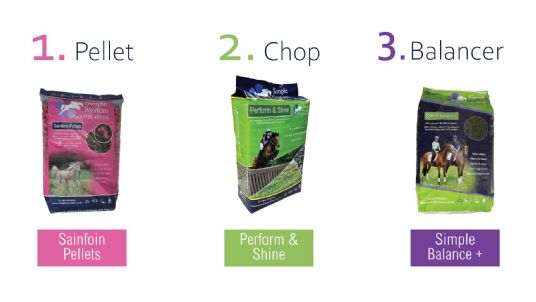
Providing a variety of forages to support the gut microbiome is beneficial to our horses. To increase diversity in the diet, we suggest feeding different forage types for your pellet, chop and balancer. An example Feed Plan suitable for most horses would be: Sainfoin Pellets (sainfoin), Perform & Shine(Cocksfoot and Timothy grass) and Simple Balance + (lucerne).
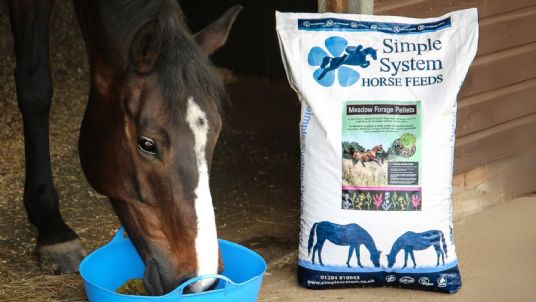
Since their launch in May 2024, the popularity of Meadow Forage Pellets has exceeded our expectations. As such, we expect upcoming shortages until our new crop is harvested in late summer.
Read on for alternative product suggestions or contact the Feed Line for tailored advice on 01728 604 008.
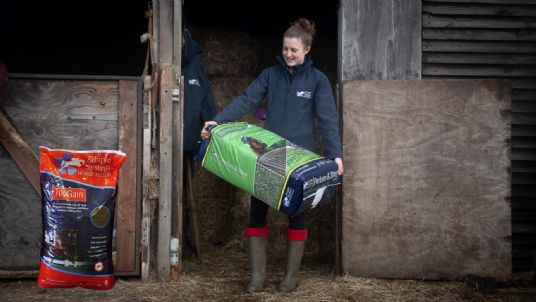
Sometimes, our horses need a bit of a nutritional boost. Maybe they require extra during the winter, or when building up to a demanding competition season.
Time for TopGain and Perform & Shine.
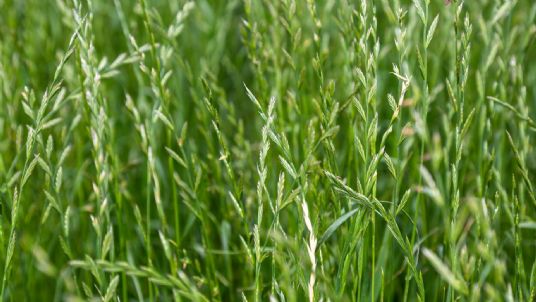
Ryegrass triggers more controversy than any other grass type.
At Simple System we choose not to use Ryegrass in our horse feeds, despite it being the most commonly used agricultural grass as it is easy to grow and very nutritious.
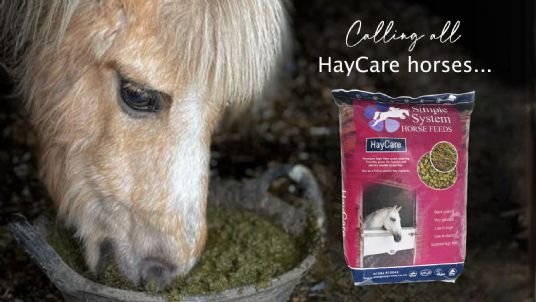
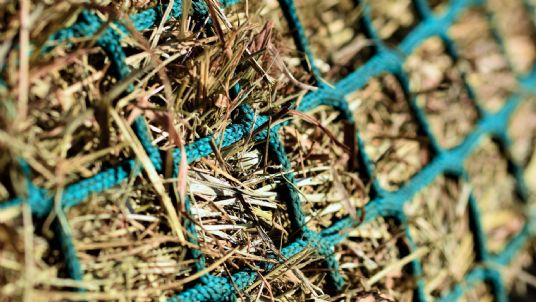
Why soak hay for horses? Soaking hay is usually done in order to reduce sugar levels for overweight horses or those with metabolic issues such as laminitis, pituitary pars intermedia dysfunction (PPID) / Cushing's Disease and insulin dysregulation (IR). Soaking hay is also carried out for horses with respiratory issues such as asthma, COPD and pollen related allergies.
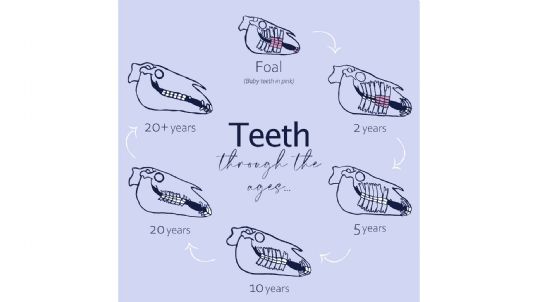
There are many scenarios in which you may be considering feeding a direct replacement for hay or haylage.
Youngsters...If your seemingly healthy youngster starts to lose condition it is quite possibly due to them experiencing dental changes.