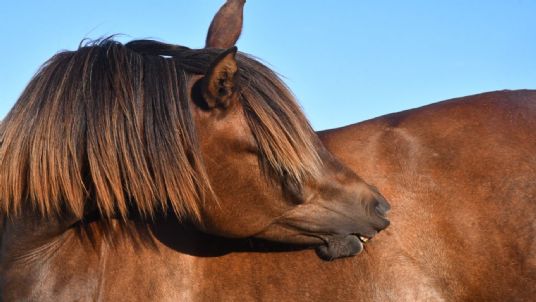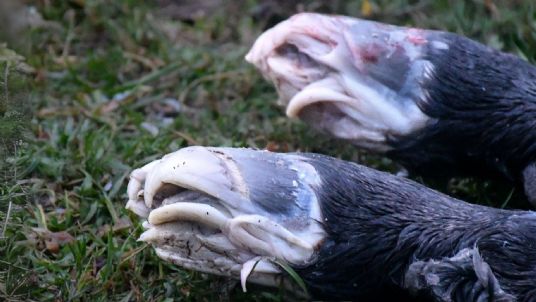
There are lots of reason why horses itch and scratch. Diet can be a factor, whether the cause in an inherited condition or a reaction to certain feeds. Inherited conditions, such as sweet itch, mallenders and sallenders, for instance, will never go away, but can be less impactful with adjustments to diet and management.
Describing a horse as “metabolic” is a commonly used umbrella term – it may mean that they have Equine Metabolic Syndrome (EMS) specifically or, Pituitary Pars Intermedia Dysfunction (PPID)...
My niece came home from primary school with a work sheet about animals. A picture of a horse looking over a stable door was captioned “I am a horse. I live in a stable and I eat oats and hay.’’ Oh dear! Whilst for many horses this is a sad reality, it is very far from delivering good welfare.
Topics covered include: -
Staying competition safe and legal - Respiratory Health - Keeping Horses Hydrated - Managing Dietary Changes - Reducing the Risks of Colic
Plants use the energy of the sun to convert carbon dioxide and water to simple sugars. These sugars are then the building blocks for the plant to make whatever it needs. By combining many sugar units, they can make fibre...
MetaSlim - is Simple System's carefully formulated pelleted balancer for those prone to metabolic issues and laminitis.
Here are our most frequently asked questions about MetaSlim for horses:
Headshaking in horses is a distressing condition, which is typified by a sudden head movement in a vertical plane rather than what we would normally consider a shake of the head, is due to pain in the trigeminal nerve of the face. For some unknown reason, this nerve fires off at certain triggers, causing sudden pain to the horse.
When will the spring grass start coming through? Now we are past the spring solstice, days are longer than nights, it feels as if spring is here, but nothing seems to be growing much! Horses out in fields will nip off the new growth of grass as soon as it appears, so just looking at the pasture does not always tell the whole story.
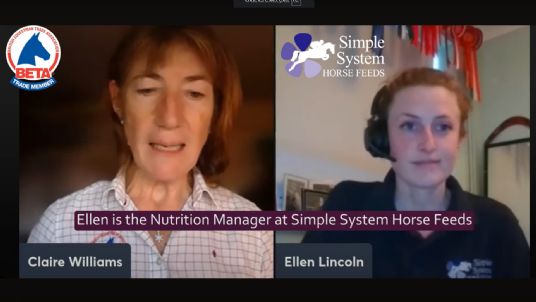
This week, Simple System's Nutrition Manager, Ellen Lincoln BSc (Hons)., MSc., attended the National Equine Forum - an event that brings together professionals from across the entire breadth of the equine industry to discuss topical affairs and concerns; what has gone well in the last 12 months, and what we need to do better in the future.
Do horses always need vitamin and mineral supplements?
The horse’s natural diet is forage. Their daily greens are full of vitamins and minerals, the oils they contain are high in essential omega 3 and the fibre, especially in younger plant material, is easily utilised by the amazing gut microbes.
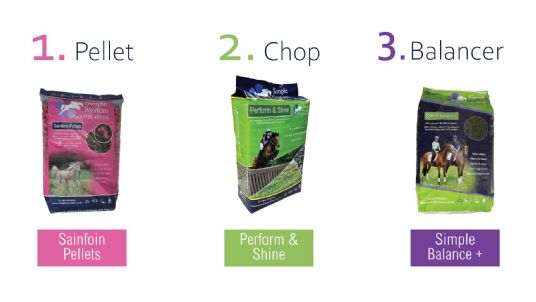
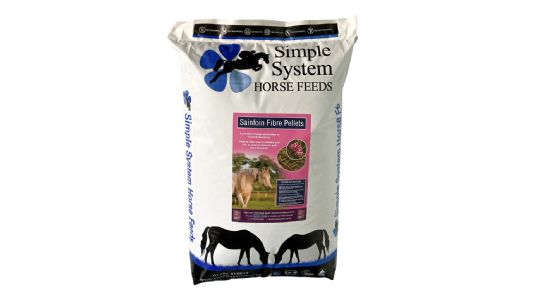
Providing a variety of forages to support the gut microbiome is beneficial to our horses. To increase diversity in the diet, we suggest feeding different forage types for your pellet, chop and balancer. An example Feed Plan suitable for most horses would be: Sainfoin Pellets (sainfoin), Perform & Shine (Cocksfoot and Timothy grass) and Simple Balance + (lucerne).
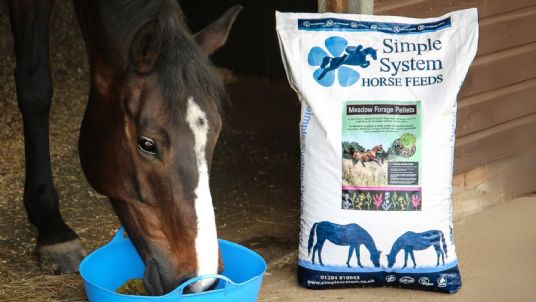
Since their launch in May 2024, the popularity of Meadow Forage Pellets has exceeded our expectations. As such, we expect upcoming shortages until our new crop is harvested in late summer.
Read on for alternative product suggestions or contact the Feed Line for tailored advice on 01728 604 008.
Sometimes, our horses need a bit of a nutritional boost. Maybe they require extra during the winter, or when building up to a demanding competition season.
Time for TopGain and Perform & Shine.
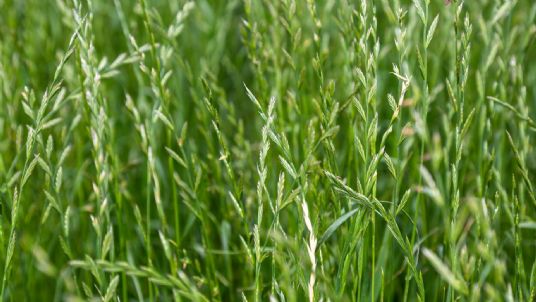
Ryegrass triggers more controversy than any other grass type.
At Simple System we choose not to use Ryegrass in our horse feeds, despite it being the most commonly used agricultural grass as it is easy to grow and very nutritious.
Why soak hay for horses? Soaking hay is usually done in order to reduce sugar levels for overweight horses or those with metabolic issues such as laminitis, pituitary pars intermedia dysfunction (PPID) / Cushing's Disease and insulin dysregulation (IR). Soaking hay is also carried out for horses with respiratory issues such as asthma, COPD and pollen related allergies.
There are many scenarios in which you may be considering feeding a direct replacement for hay or haylage.
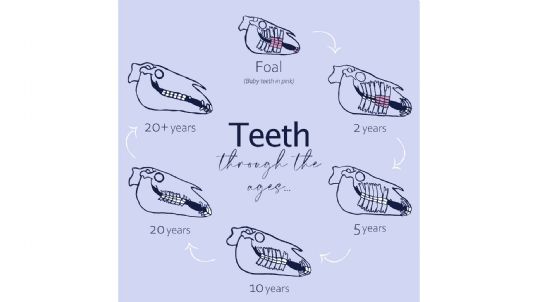
Youngsters...If your seemingly healthy youngster starts to lose condition it is quite possibly due to them experiencing dental changes.
Forage Brix are an easy and convenient way to increase your horse's fibre intake either in the field, or stable. They are ideal for providing environmental enrichment, especially for those spending more time stabled due to inclement weather, wet muddy paddocks, or box rest.
As we've settled into the festive season, it’s time to look back and reflect on the year we’ve had at Simple System.

After a cold start to spring, the summer gave us a relatively straightforward harvest.
One of the most common problems in training horses and riders is the lack of connection.
What does this mean? To put it simply, the horse is not pushing enough from behind to a secure, elastic feel down the rein to the bit.
Horses are prone to colic, especially those that are stabled.
Why is this? One in 10 horses kept under reasonable conditions, stabled some or a lot of the time, will get colic each year. However, this is not inevitable.
In just 12 short months MalleMash has become the staple diet for so many horses - from itchy types, to natives, cobs and feathered breeds - it's become a firm favourite.
Whilst created as a convenient 'one bag' feed many of you have asked if you can add a chop to MalleMash as we head in to winter....
Colic is something that all horse owners dread. This week is 'Colic Awareness Week' and our Feed Line have some tips to reduce the risks of a colic episode occurring...
Since 2016 we have been working to bring back Sainfoin, a valuable forage, from near extinction. Sainfoin's benefits were widely known but the details of its specific requirements, growth patterns and nutritional analysis were unknown.
Keeping horses is expensive - no one can argue with that! But there are ways we may be able to save a little money without reducing the quality of care we offer our equine friends. Read on to learn more...
We asked Norfolk based practice, Westover Large Animal Vets Ltd., to share the most common health concerns they encounter in equines during the winter months...
Sometimes, our horses need a bit of a nutritional boost. Maybe they require extra going into winter, after a demanding competition season, or even for ‘extra good looks’ for a special show. Bring on TopGain !
Cosying up in front of the fire with a hot chocolate and a dog in your lap paints an idyllic picture for many, but winter is a dreaded word for almost all equestrians - and many of us are still feeling triggered by last year’s horrendously wet and muddy edition.
Most equestrians dread Bonfire Night as it can be a particularly stressful time for both horses and horse owners alike. With just over 2 weeks to go, now is the time to prepare.
At this time of year, you may be looking to buy a foal and experience the joy of bringing on a youngster. Although it is traditional to wean at 6 months, this is actually too early.
Horses are now well into their ‘Blackberry coats’. There is an old saying that “no horse looks well at blackberry time” as the blackberries often appear when our horses are setting their winter coats, losing their summer dapples and the cooler weather means there is less goodness in the grass.
We've had numerous calls to the Feed Line about underweight horses this month. It will always be easier to put weight on before a cold spell hits, so now is the time to make any dietary adjustments.
As it is with humans, horses are all individuals. Certain horses can react to certain feeds and as owners may perceive that these feeds cause their horse to “hot up” or are even allergic/sensitive to the feed. This feeling can be amplified further when we see 'trends' come and go on social media - we've probably all been there at some point over something, even if we don't care to admit it.
The majority of horse owners are aware of what ragwort looks like, along with the dangers it presents for our horses. So much so we spend a good amount of time and effort digging it up from our paddocks before it sets to seed. But what about plants that look a bit like ragwort?
Watch the Dinky Ponies on BBC Newsround. We are proud to support the Dinky Ponies who are exclusively fed Simple System feeds.