Sainfoin, a sustainable crop?
As more farmers move toward more eco-friendly, regenerative and sustainable farming practices, the 'forgotten forage' that is sainfoin, is starting to see a resurgence. Here are just a few reasons why...
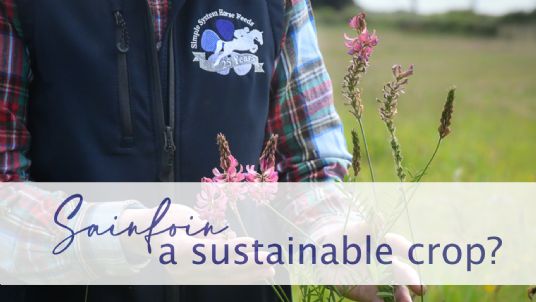
As more farmers move toward more eco-friendly, regenerative and sustainable farming practices, the 'forgotten forage' that is sainfoin, is starting to see a resurgence. Here are just a few reasons why...
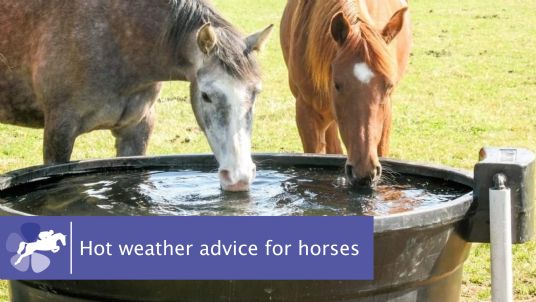
The higher temperatures we are currently experiencing in the UK can cause havoc for some of our horses. Older horses, those that have underlying health conditions, heavier horses and those who have held coats can be particularly affected.
Our top tips are...
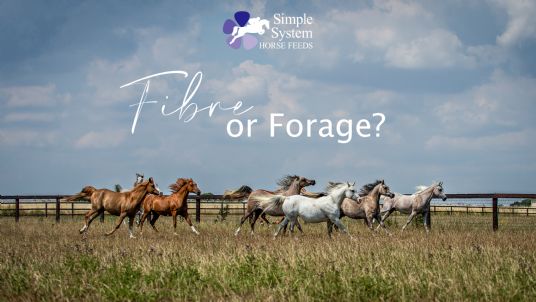
We all know horses are best served with a high fibre diet, but is all fibre the same? You’ve guessed, it isn’t!
Fibre is the structural part that holds plants together – its skeleton, if you will. The older the plant, the stronger its fibre needs to be, but the stronger it is, and as result, for the animals that eat it or try to, the less goodness can be extracted from it.
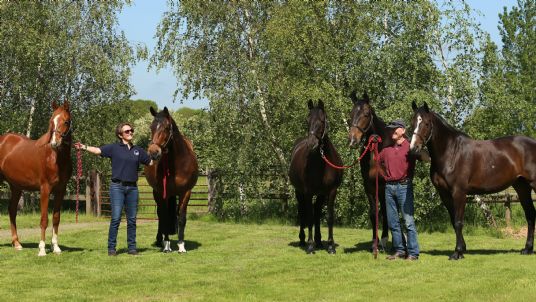
We are celebrating a very special anniversary as today we mark 10 years of officially supporting Team Lamy Wright!
Here's a video from the archives, shot back in 2017. Martin Wright (with the help of Ehren and Janine), explains why the team switched their horses to a Simple System diet all those years ago.
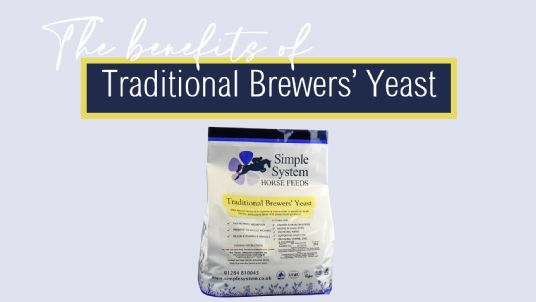
Yeast is an amazing feed for horses (and humans too!). This cream-coloured microscopic organism grows almost everywhere and is responsible for the bloom on fruit such as grapes and sloes in the hedgerows. It is used commercially to brew beer, ferment wine and in bread making.
When it comes to feeding horses, yeast is very nutritious as it is an excellent source of B group vitamins and high-quality protein as well as a range of trace elements.
The story of Meadow Forage Pellets... At Simple System, we are constantly looking at what will further improve conditions for our horses whilst being very aware of environmental issues. For instance, we try as far as possible to reduce food miles by making the most of the skills and resources of our trusted UK growers.
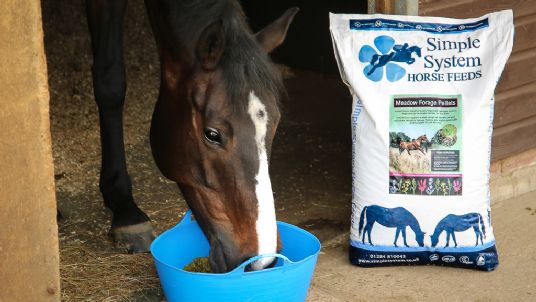
We are excited to introduce our NEW Meadow Forage Pellets | A nutritious blend of easily digestible forages, grown together, to increase variety in the diet.
Here are our most frequently asked questions about our unique new horse feed...
A unique blend of easily digestible forages, grown together, to increase variety in the diet.
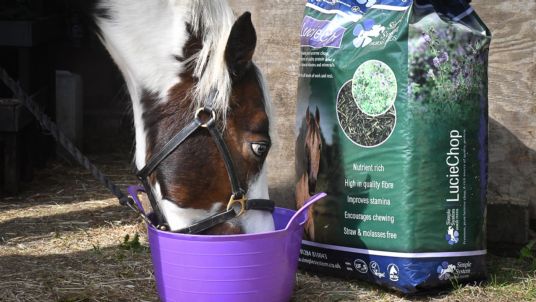
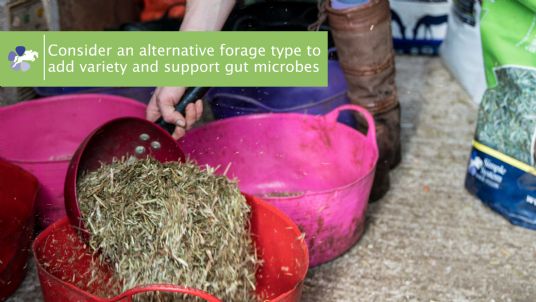
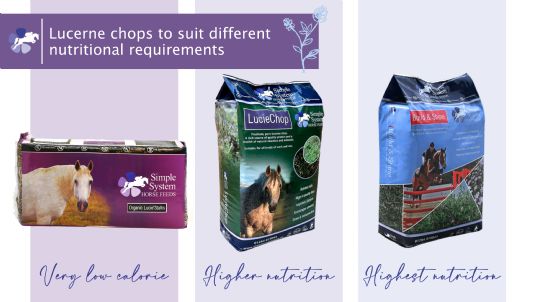
At Simple System, we use the British term lucerne for this amazing forage others also use the American term, alfalfa. As our lucerne is entirely GM free and produced specifically for horses, we feel it has different properties from that grown in America.
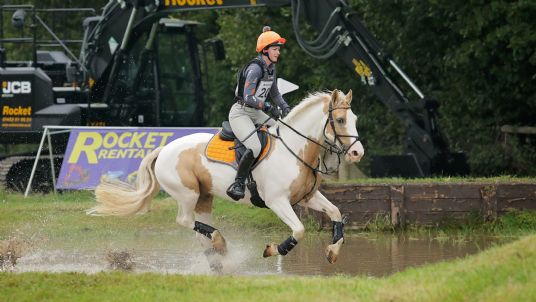
With the competition season in full swing you may be looking for ways to improve your horse’s performance. Offering a Target Feed may just be the ticket...
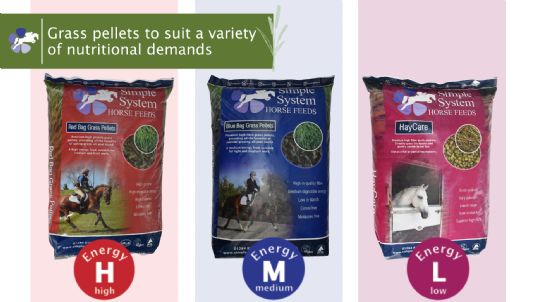
At Simple System we think grass can be great for all horses, but before those with lamineits stop reading let’s clear up some common misconceptions...
Lucerne (known as alfalfa in America) is an amazing forage, known in different languages as ‘Prince of Feeds’ and ‘Best of the Best’. Lucerne has been grown for horses for around 5,000 years so has stood the test of time and there are many benefits of feeding lucerne to horses, but in particular those prone to gastric ulcers…
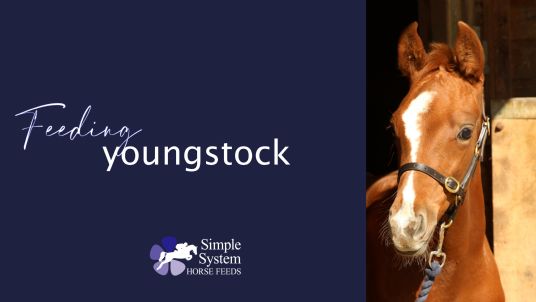
Young horses rarely follow the theoretical growth curves. They have growth spurts which can coincide with spring grass coming through, or coincide with nothing in particular! Spring grass is great for supporting growth but when there is not the high quality of grazing available to support them, growing young horses can suddenly look very scrawny. They will need additional feeding, but especially with growing horses, it is important to keep sugar and starch levels low, as these can be associated with developmental issues in bones and joints. Plenty of protein and calcium are really important and forage sources will ensure good levels of quality fibre to support gut health.
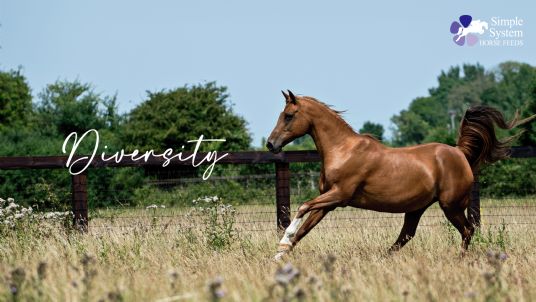
It is said that variety is the spice of life and certainly the more we look, the more evidence we find that diversity and variety is good in all sorts of ways.
Horses evolved on a very diverse diet, with a wide range of grasses, legumes, forbs and herbs available, not to mention shrubs and small trees to browse on as the need arose. Their natural diet varied from season to season and even day to day. Choice, they had aplenty! Once we came along and the grazing and hay became predominantly ryegrass and the “short” feed the processed by-products of the human food industry, it must all have seemed pretty poor by comparison. Taped off paddocks with no access to hedges and over-grazed grass is a very limited substitute for plains abundant with diverse plant forms.
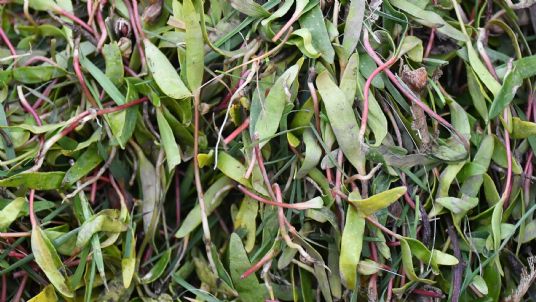
Sycamore saplings have started springing up. They can be extremely dangerous for horses and ought to be removed from horse paddocks. Ingestion of any part of the sycamore, even seemingly dead looking 'helicopters' or leaves, can cause atypical myopathy - a disease that is often fatal to horses.
Whilst there are fewer sycamore saplings than in 2023 - where they were more widespread than we have ever noted before - they ought to be removed promptly as ingesting even just a small number can have devastating effects. We recommend fencing off affected areas, or better still remove your horses altogether. Even if you don't have sycamore trees in and around your paddocks, we would encourage you to give them a thorough checkover before you allow your horses to graze.
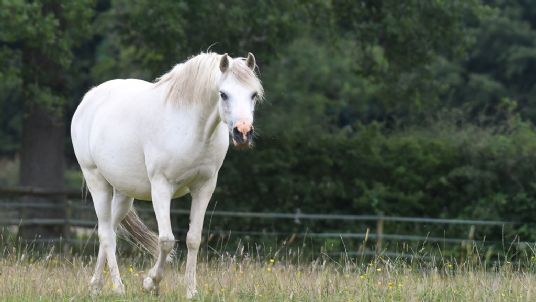
There are many common misconceptions about what causes laminitis and how it ought to be managed. Simple System Director of Nutrition, Jane van Lennep, answers some of the questions that are frequently asked by customers who contact our Feed Line.
My horse is currently on box rest with laminitis, but I am really upset they are not actually overweight. Why do they have laminitis? Laminitis is a metabolic disorder and many but not all, are overweight when they develop the condition. It is associated with Equine Metabolic Syndrome (EMS), pituitary pars intermnedia dysfunction (PPID) - more widely known as Cushing's disease, and insulin dysregulation. Once a horse has suffered a bout of laminitis, it takes less to trigger an episode. Stress can also be involved, so it is important to keep all horses, but especially susceptible ones, stress free. Company, access to enough forage and outside space are all important. Horses with fat pads, such as a cresty neck, are more susceptible, even if the rest is lean.
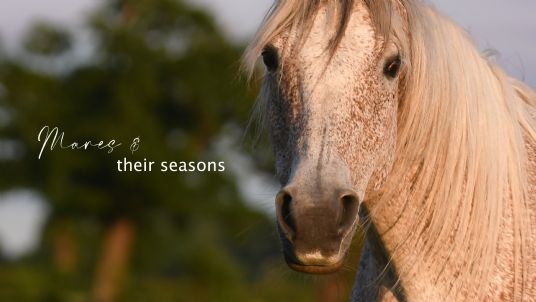
Mares are in season for around 6 days every 3 weeks from spring until autumn. Some mares will cycle all year. When they are cycling, their hormones are fluctuating and, in many mares, will trigger changes in behaviour. This is perfectly natural and something we should try to understand, not criticise her for. Mares are as entire as stallions, the difference being that their drive is periodic, not constant.
For many mares, short days, cooler temperatures and less available food cause their cycle to stop, then warm weather, longer days and growing grass trigger the process to start up again, until either she becomes in foal or winter comes again. Veterinary intervention can also control her cycle.
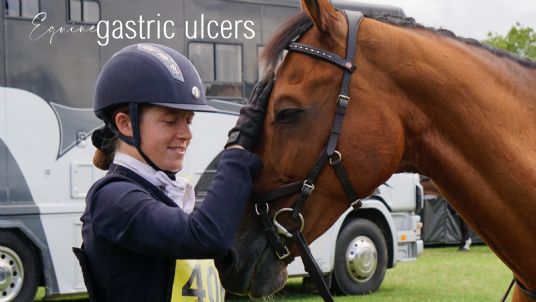
The more we look, the more we find gastric ulcers in horses. They are being increasingly diagnosed across all horse populations (including leisure horses) likely due to greater awareness of the signs and symptoms. There have also been developments in technology allowing vets to make earlier and more conclusive diagnoses. Overall, more horses now seem to have ulcers than don’t.
Ulcers are painful for the horse, can impact on their handlers or riders as they react to that pain, and may even reflect our failing to provide a calm and healthy environment. That's not to say all owners of horses with ulcers are to blame - but it really ought to trigger all of us to think more about how we can better care for our horse's needs. Ulcers should not be inevitable or acceptable.
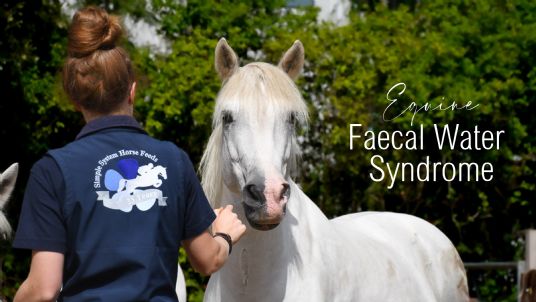
What is Equine Faecal Water Syndrome?
Faecal Water Syndrome (FWS) refers to the passing of excess free liquid before, during or after the passing of droppings. It can also happen independently of defecation, where no physical droppings are passed. The droppings themselves may appear quite normally formed or may also be quite loose. In some horses, the issue is persistent whilst in others it can be seasonal or sporadic and entirely random.
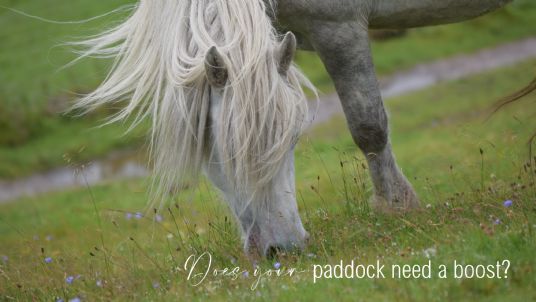
Does your paddock need a boost? We are hearing that many customers have a lack of grazing due wet weather and very muddy paddocks.
We are frequently suggesting Blue Bag Grass Pellets and Red Bag Grass Pellets as they are an excellent way to top up lost grazing. We are also recommending addressing the paddock itself.
Our Natural Grazing Mix is ideal for repairing patchy paddocks. It is a balanced, ryegrass free mix of hardy, creeping and drought resistant grasses and legumes. One bag will cover 1 acre of bare land or 3-5 acres when re-seeding patches. This mix is also suitable for hay cropping.
Your soil may also need a helping hand after heavy grazing, and the rain may have increased acidity as well as washing out nutrients. The next few weeks are ideal for applying Natural Paddock Recovery to the soil. This is natural, non toxic product will help balance the acidity and provide trace elements and organic matter to help the grass develop more vigorous roots. This in turn will give a longer growing season, yet avoiding the flush of growth that can occur with a traditional fertiliser.
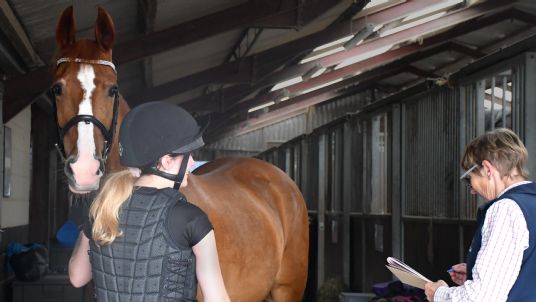
Have you ever talked yourself out of asking for feeding advice? Picking up the phone to ask for advice can be daunting, especially if your horse is not in optimal condition. Rest assured that no matter what your horse's issue is, it's highly likely that we've helped other customers overcome something similar, or we've dealt with such an issue with our own horses.
Although we are happy to advise by email or online, our Feed Line's preference is to speak with customers wherever possible. Having a conversation helps paint an overall picture of your horse, allowing the team to give the best possible advice. After all each horse is an individual, so we need to get to know them.
What happens when you phone the Feed Line? When you phone the Feed Line we want to hear as much about your horse as possible.
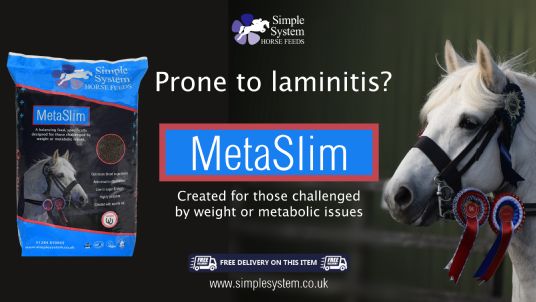
Don't let laminitis catch you out! Our Feed Line have received several calls relating to laminitis this week.
The weather is currently warm enough for grass growth in most areas of the UK, with Scotland, the South West and South East seeing the most growth in the last week. New spring-like grass is potentially problematic for those prone to laminitis.
Did you know? It is thought that around 90% of laminitis cases are believed to have a hormonal cause, i.e. Cushing's disease (PPID) or equine metabolic syndrome (EMS).

It can feel overwhelming when trying to find the correct feed balancer for horses because there are so many on the market and some people question if they even need one at all.
Whilst a forage only diet can go a long way to meeting all of our horses requirements, if the diet is restricted for health reasons or natural grazing access is limited, topping-up omega oils, minerals and vitamins is advisable and most easily done with a feed balancer.
Feeding a balancer can also help provide support for the horse's hooves, coat, digestion and immune system – or support more specific issues - to keep them in tip-top shape, feeling and performing to their best.
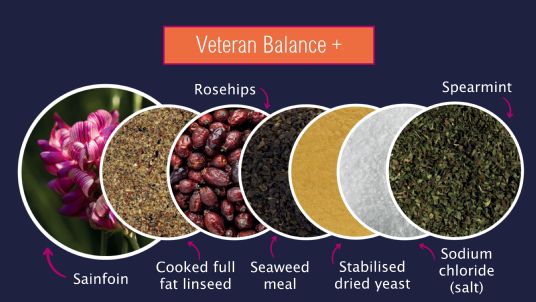
Q. What are the ingredients?
A. Veteran Balance +has been carefully formulated and contains just 7 ingredients, all of which are functional for horses.
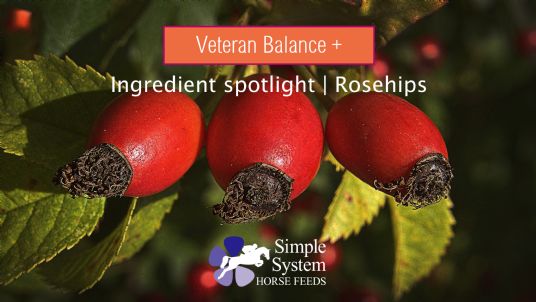
Ingredient spotlight | Rosehips
Rosehips are an important, functional ingredient in Veteran Balance +, our pelleted balancer with joint support for older or hard-working horses.
Rosehips are naturally high in a wide range of antioxidants, and it is these antioxidants that are particularly beneficial when caring for our horse's joints and overall health. Many of us have heard of antioxidants and we all know they are good for us, but why do we need them in the horse's diet?
Although oxygen is vital to support life, the natural process of oxidation produces free radicals, which are harmful to horses (and humans). They cause damage to cell membranes, contributing to the aging of tissues like cartilage, and diseases like inflammatory arthritis. Antioxidants work to neutralise these free radicals, reducing and even sometimes preventing them from causing damage.
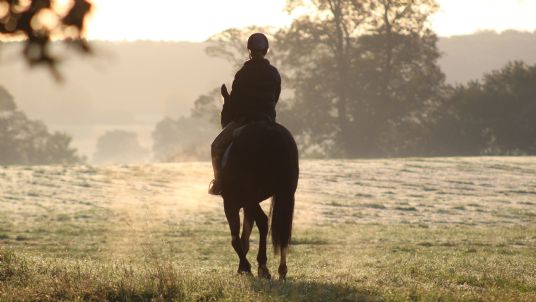
February is probably the most testing month for our horses! The days are noticeably longer, on mild days the grass is growing and must smell delicious with promises of spring so near, but yet, it’s still winter and not yet ready to relinquish its chilly grip. Horses can be tetchy, itchy as their coats are starting change and restless with the extra daylight. How can we help them?
Make the most of any fine or dry days to turn out for a bit longer, ideally without a rug.
Take advantage of finer spells to take your horse out with friends for a hack, maybe even boxing up to somewhere more interesting to ride than the usual home beat.
Put the different ingredients of your horse’s feed in different feed bowls in different places in the stable so there is some choice.
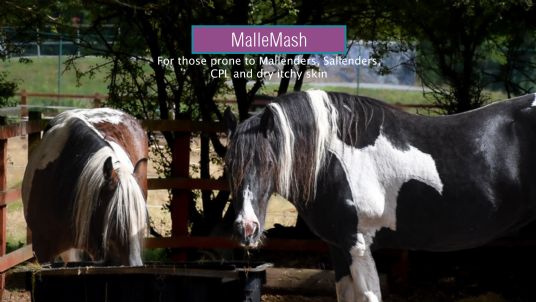
Q. Can I add a chop to MalleMash?
A. Yes, but choosing the right chop is crucial!
This is one of our most frequently asked questions when it comes to MalleMash - our feed created for those prone to Mallenders, Sallenders, CPL and dry itchy skin.
MalleMash was formulated to be fed on it’s own as a quick soak mash. Adding a chop / chaff will add additional texture and prolong eating time. Deciding which chop to feed can be crucial. Here at Simple System we avoid molasses, cereal, cereal by products, straw, soya and preservatives. These can all irritate sensitive horses.
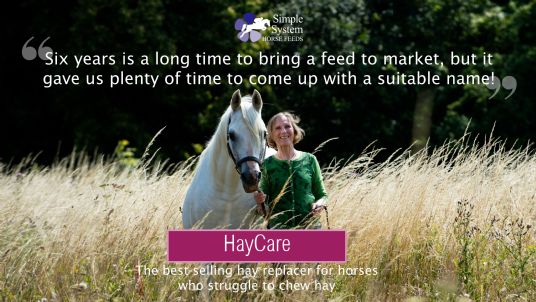
Our best-selling forage is HayCare but we are sometimes asked how we came to produce this popular feed.
For several years, we had wanted a pure forage that could replace hay directly. It had to be grass, as hay is grass! It had to be high fibre, as hay is high fibre. And it had to be low in sugar so it is suitable for all horses, even those with issues.
We opted to use Timothy grass as this is one of the best grasses for horses (click here to read our ingredient spotlight). There is plenty of grass grown in the UK for making into pellets, but most of this is harvested at optimum nutrition at an early stage of growth and much of it, varieties that are not optimal for horses. The grass can then grow again, and the farmer can take three or even more cuts a year. Persuading a farmer to allow their grass to become fibrous and go to seed goes against the farming grain!
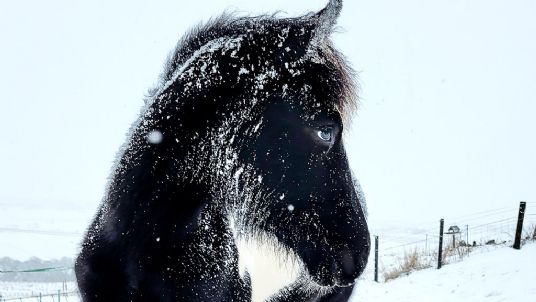
The MET office has weather warnings in place for much of the UK. Please ensure your horses have sufficient intake of forage and water to minimise the risk of gastric issues, impaction colic and dehydration.
Here are our Feed Line's top tips for feeding in winter weather.
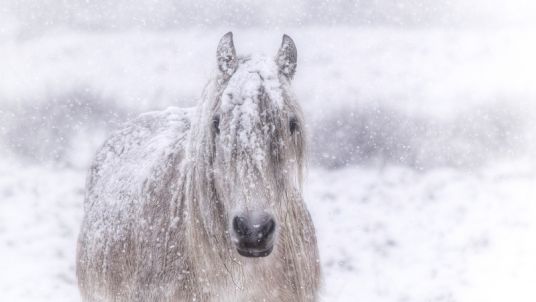
In winter, the weather can change dramatically for the worse. Out kept horses may suddenly find their grass is under a thick layer of snow so will need additional feeding. Hay is an obvious answer, but sometimes more nutrition is needed – keeping warm is very calorie demanding. Horses can survive and even thrive in what we consider to be very inhospitable conditions, but they do need plenty of feed to fuel them and keep them warm.
Horses have trillions of microbes which ferment fibre in their hind gut and this releases fuel, vitamins, gas and heat. It is like having a central heating boiler in their gut! However, not all fibre can be fermented – old, tough lignified fibre escapes this process. The fibre needs to be good quality, such as from early made hay and dried forages. Straw, late made and old hay may not be as effective at keeping the microbes fed and generating heat.