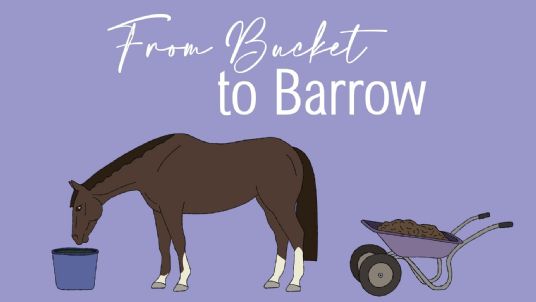
Why do we recommend feeding horses from ground level?
How does the horse's jaw work? What happens if horses eat above ground level? Read the article to learn more...
You must avoid social contact; There is currently no Government guidance that we are aware of in relation to riding, so it is down to you to decide whether this is necessary; Don’t ride your horse if it is young, unreliable, very spooky – we don’t want to burden the health service with our broken bones! Don’t gallop, jump or face your horse with extra challenges for the same reasons; Lungeing, in-hand work and turn-out are good alternatives to ridden exercise; At your livery yard, consider organising a rota so you all go at different times; Avoid using communal areas – “go” before you go rather than use the loo at the yard; take a flask and a sandwich rather than use a communal kitchen; use your own equipment; have your headcollars and tack with you rather than use a communal tack room. Consider all the places where other hands have been – gates, door catches, lead ropes etc. and avoid these or wipe them down with sanitiser. And as we have had it drummed into us, wash your hands even when it does not seem necessary! With the ground drying out, for many of us, our horses will be getting their exercise in the fields. As we must to do all we can to keep out of hospital – virus or injury – wear your hard hat for all horse handling as well as riding. Especially if their routine is different, horses may be sharper than usual, so take no chances. Take care and stay safe.
How does the horse's jaw work? What happens if horses eat above ground level? Read the article to learn more...
We're thrilled to be adding an exiting new event to the calendar for 2026!
Horses’ teeth change throughout their lives - they are continually growing and continually wearing, as they chew and grind their grazing and forage.